
Bourse du Talent 2026 : Dara Petrova
Circle

Circle 01
Circle 02
Circle 04
Circle 03
Circle 05
Circle 06
Circle 07
Circle 08
Circle 09
Circle 16
Circle 15
Circle 14
Circle 13
Circle 12
Circle 11
Circle 10
Circle 17
Circle 18
Circle 19
Circle 20
Circle 21
Circle 22
Circle 23
Scrolling is automatic, but you can use the arrows to navigate between images. Click on the image to switch to full screen mode.
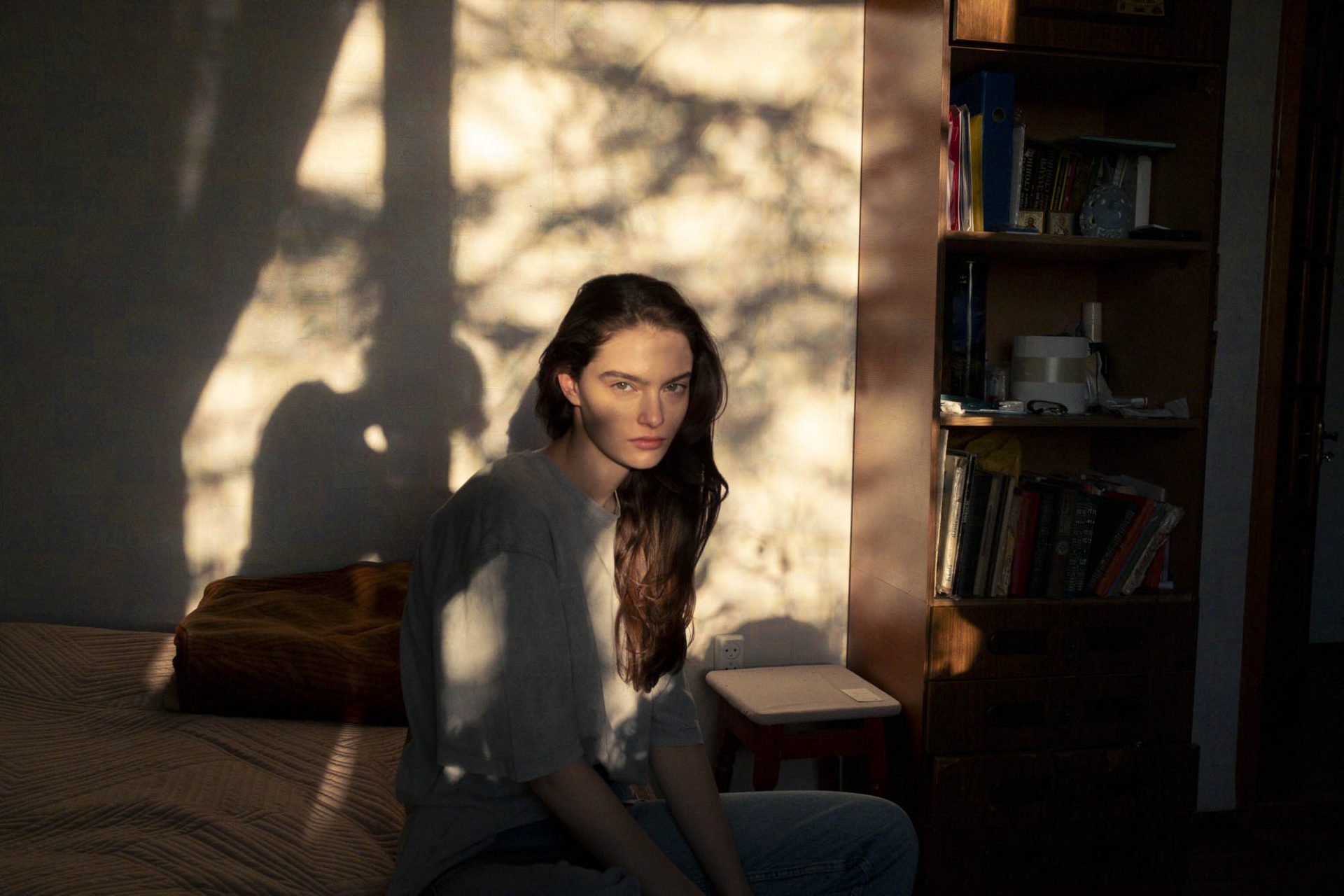
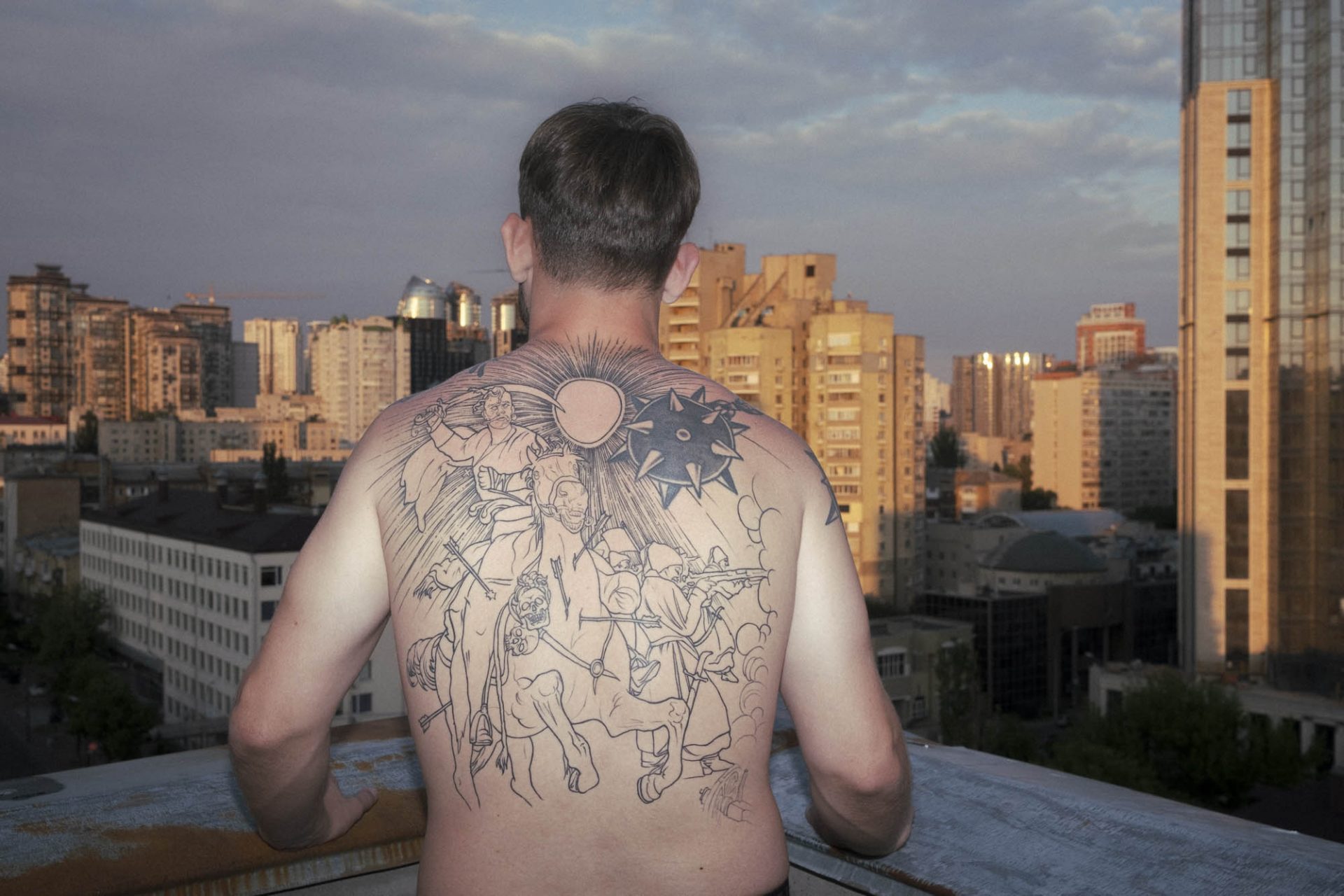
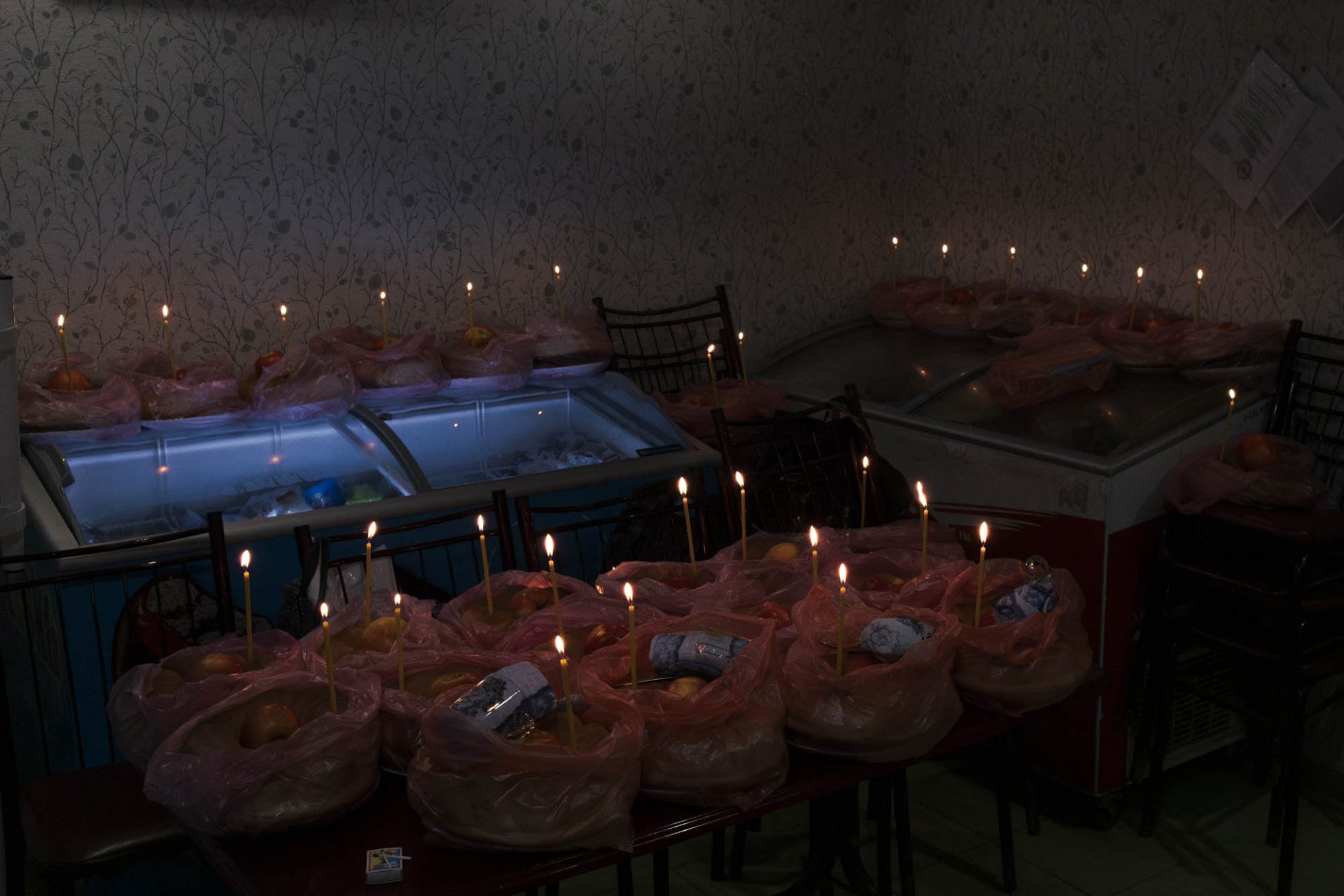
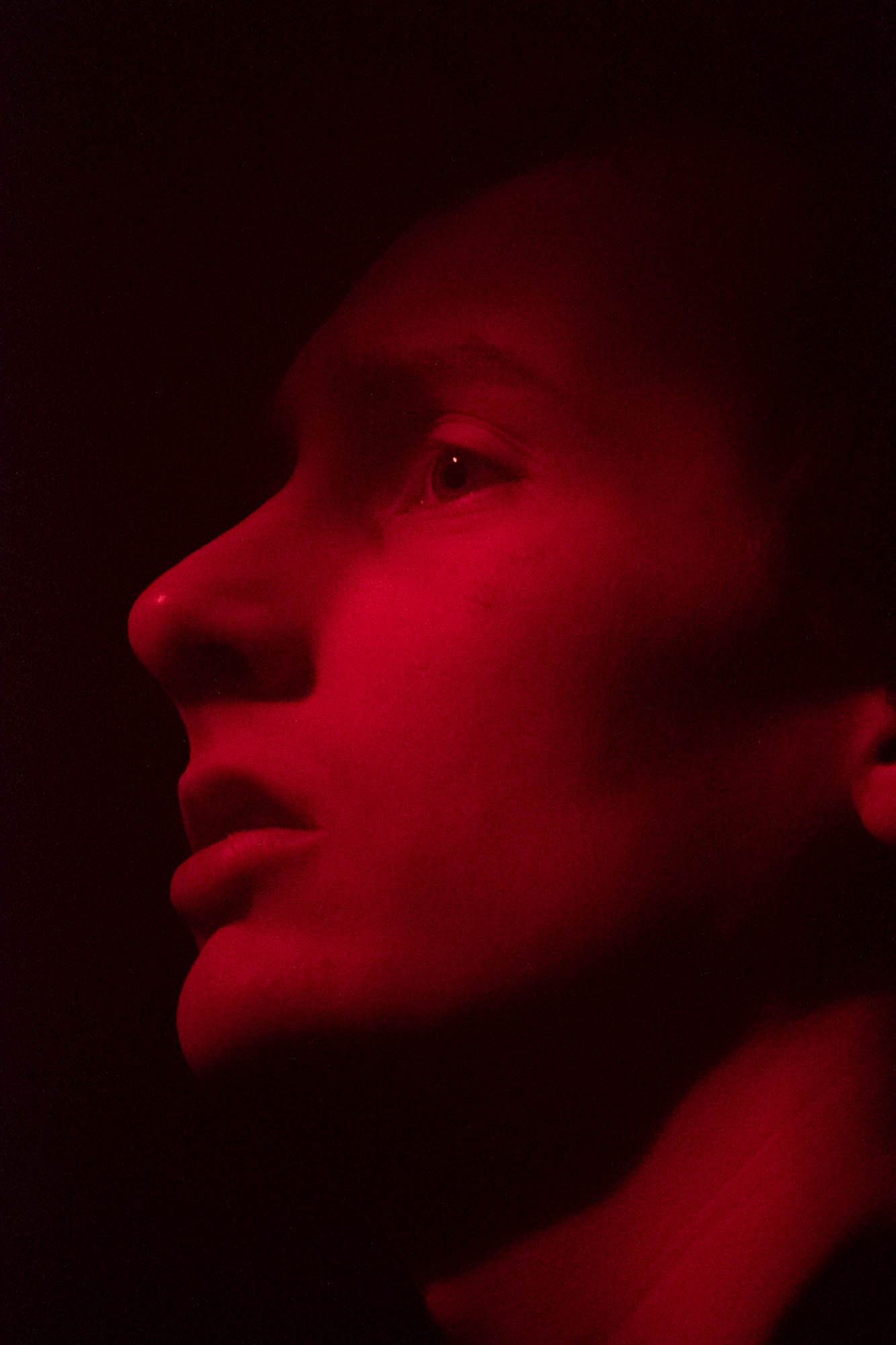
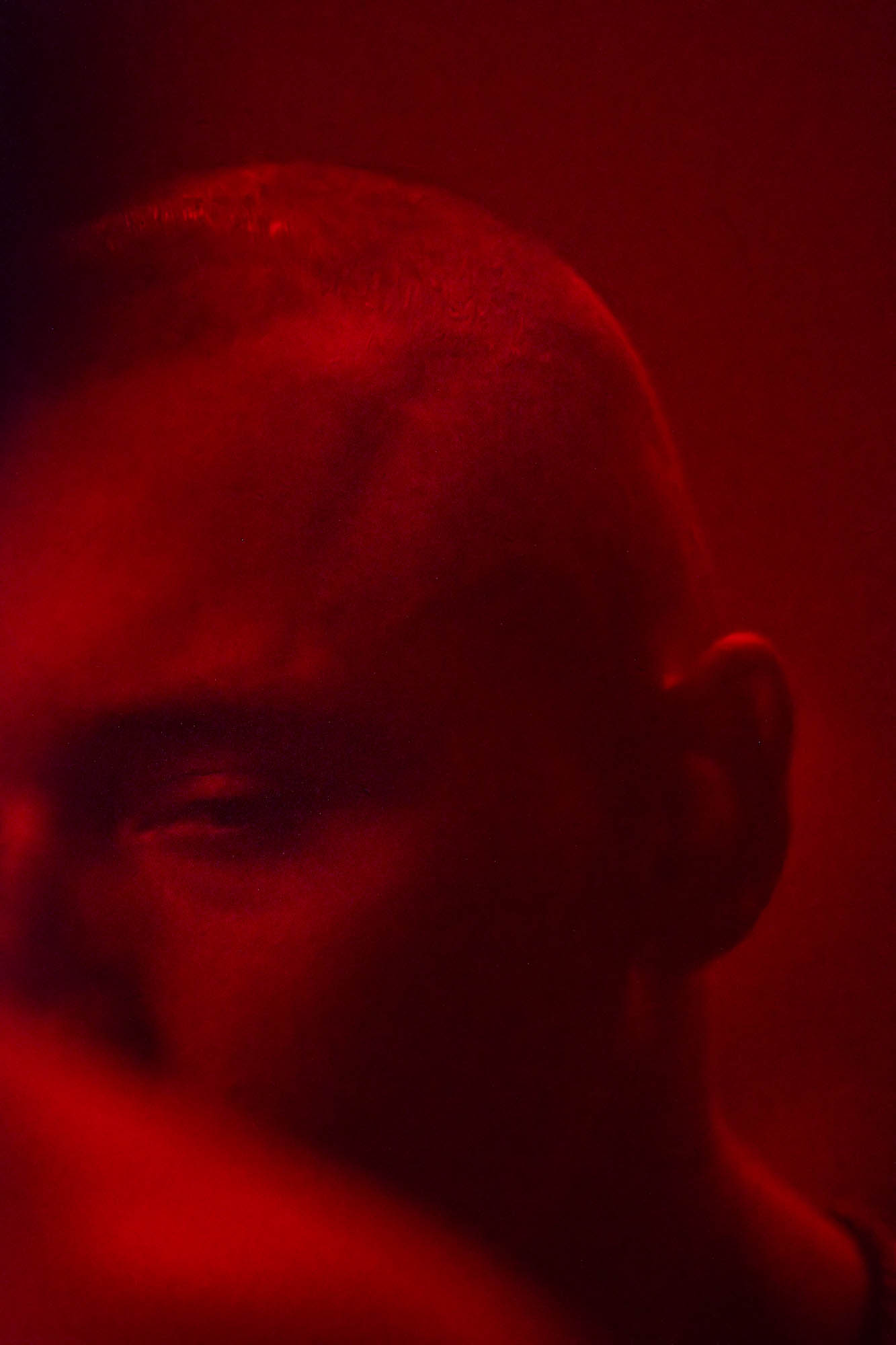
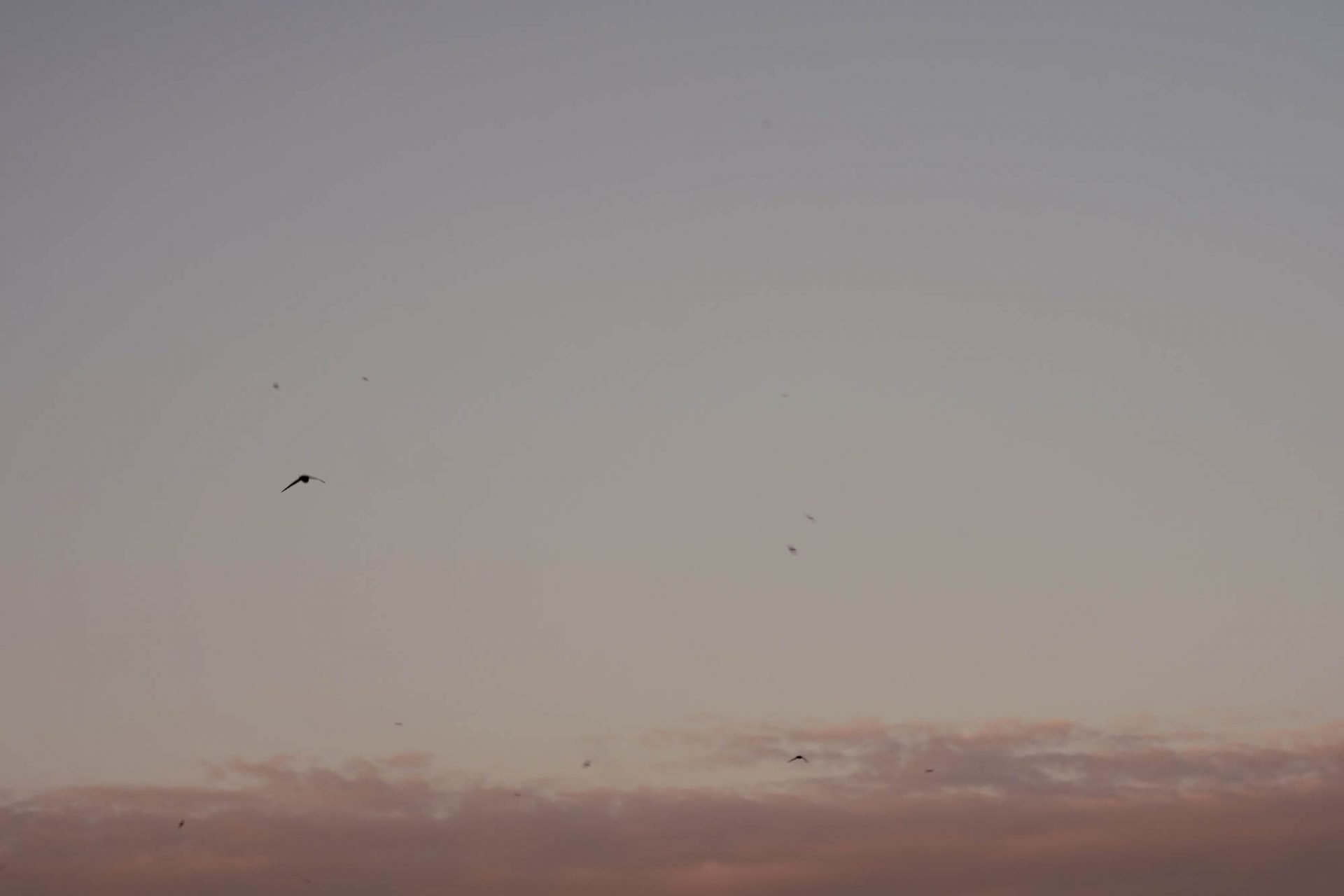
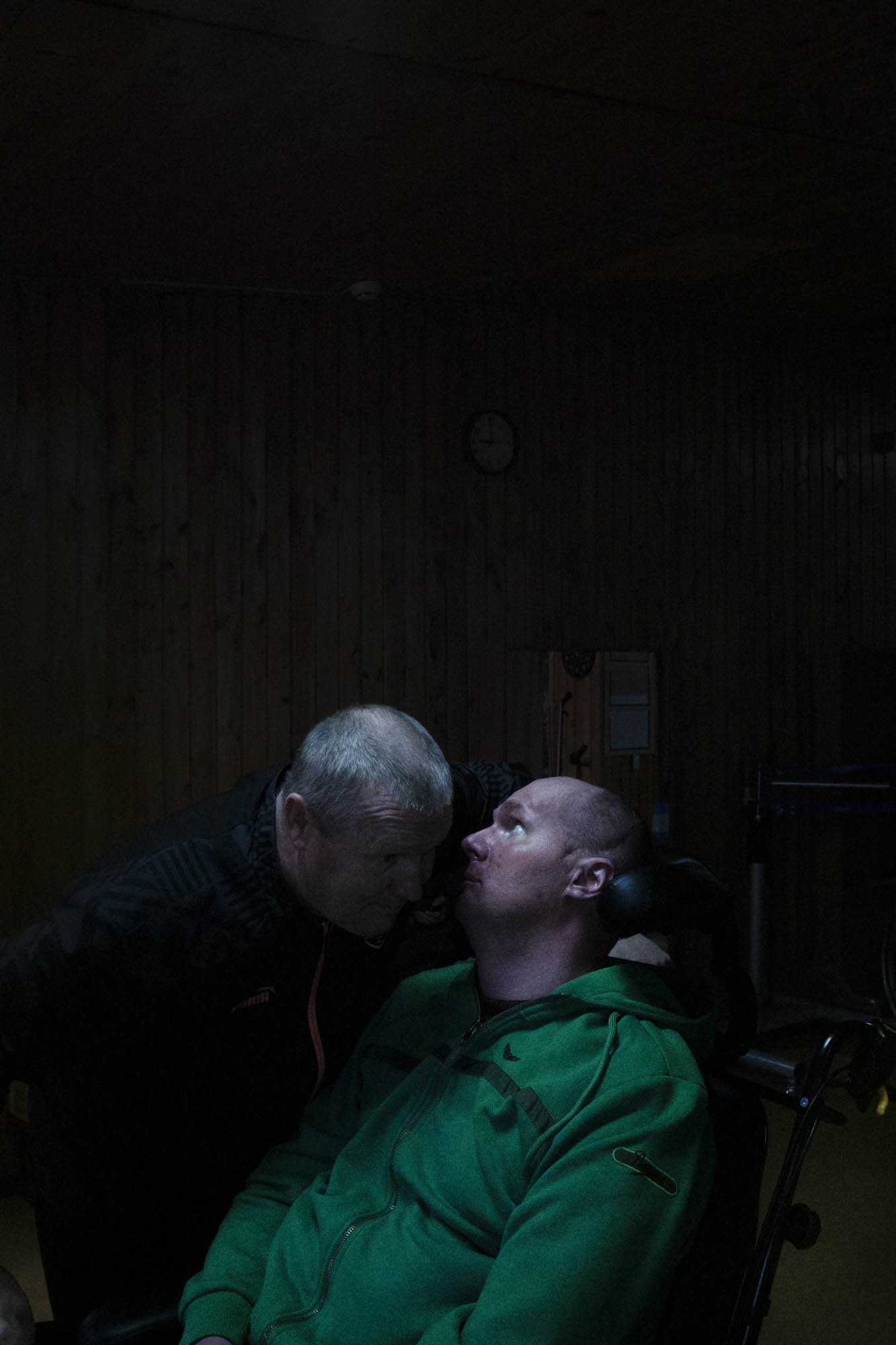
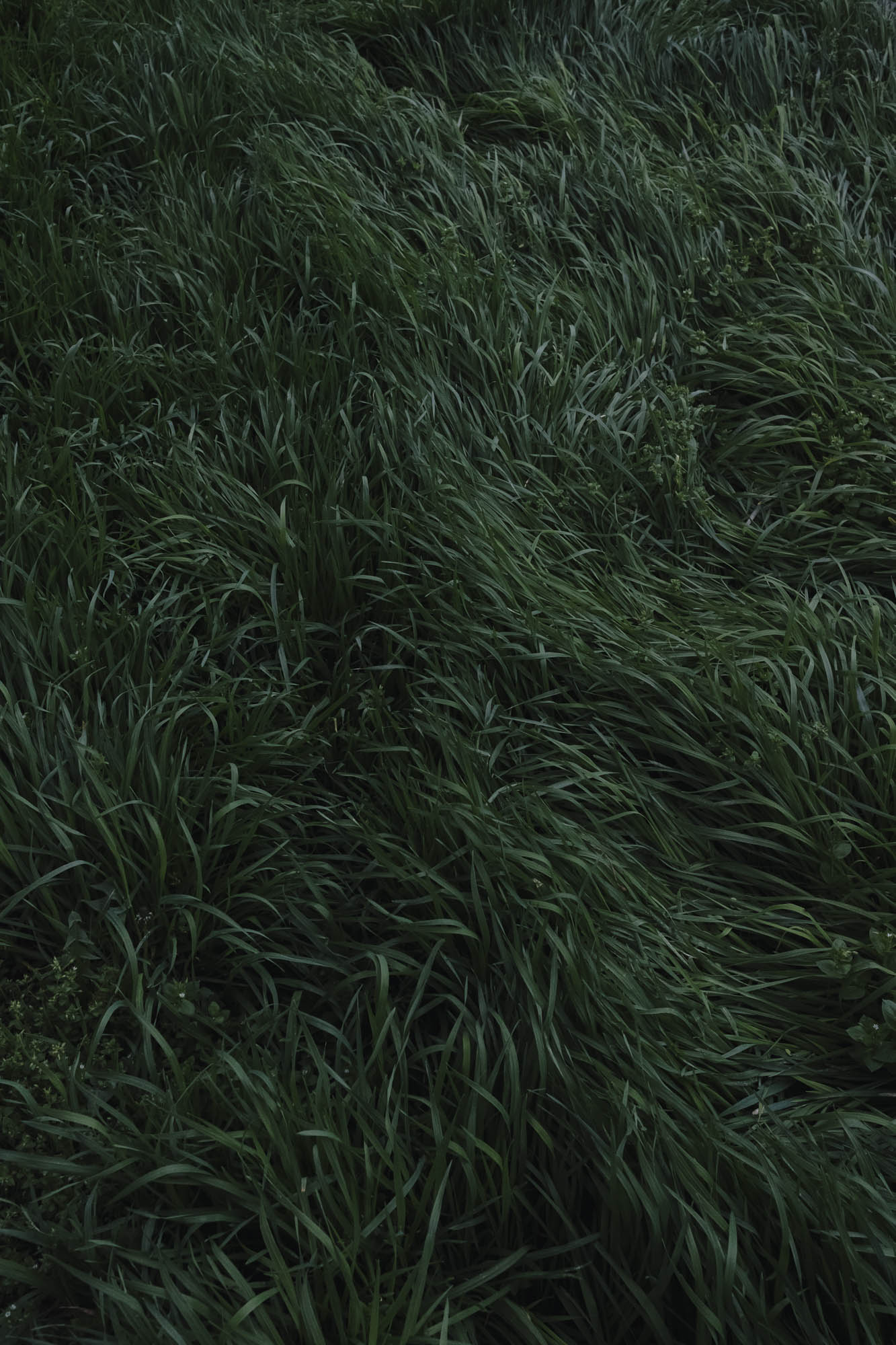
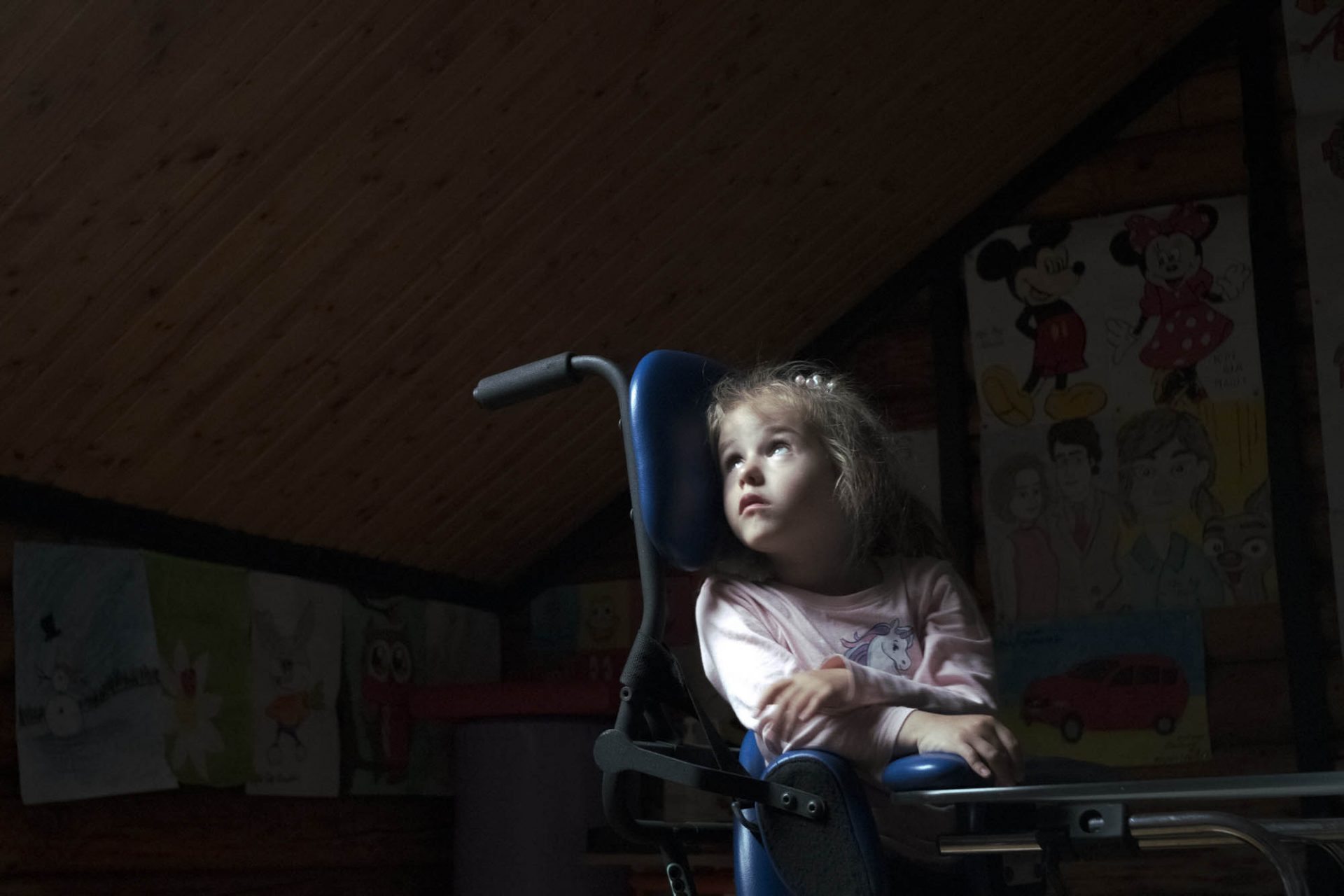
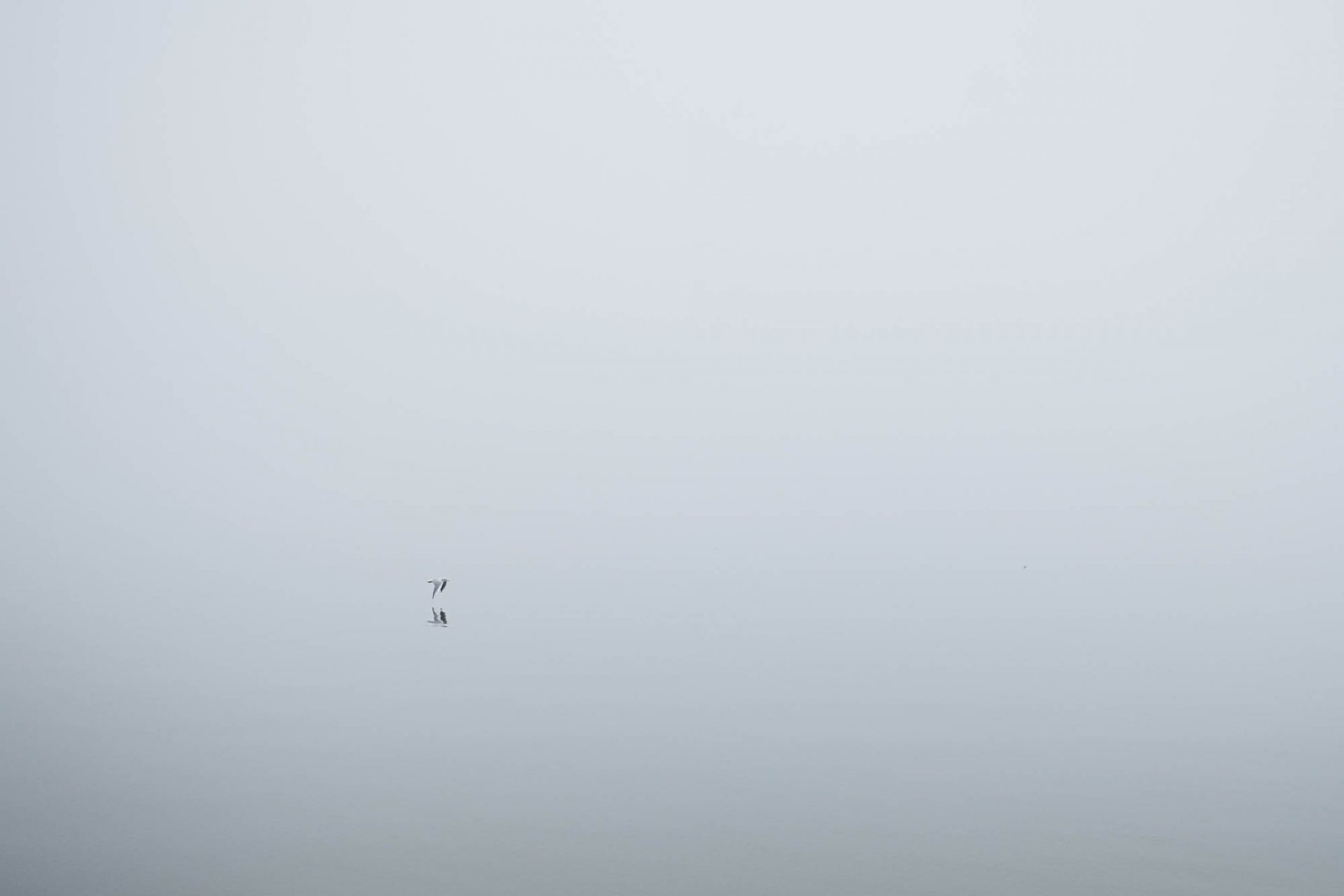
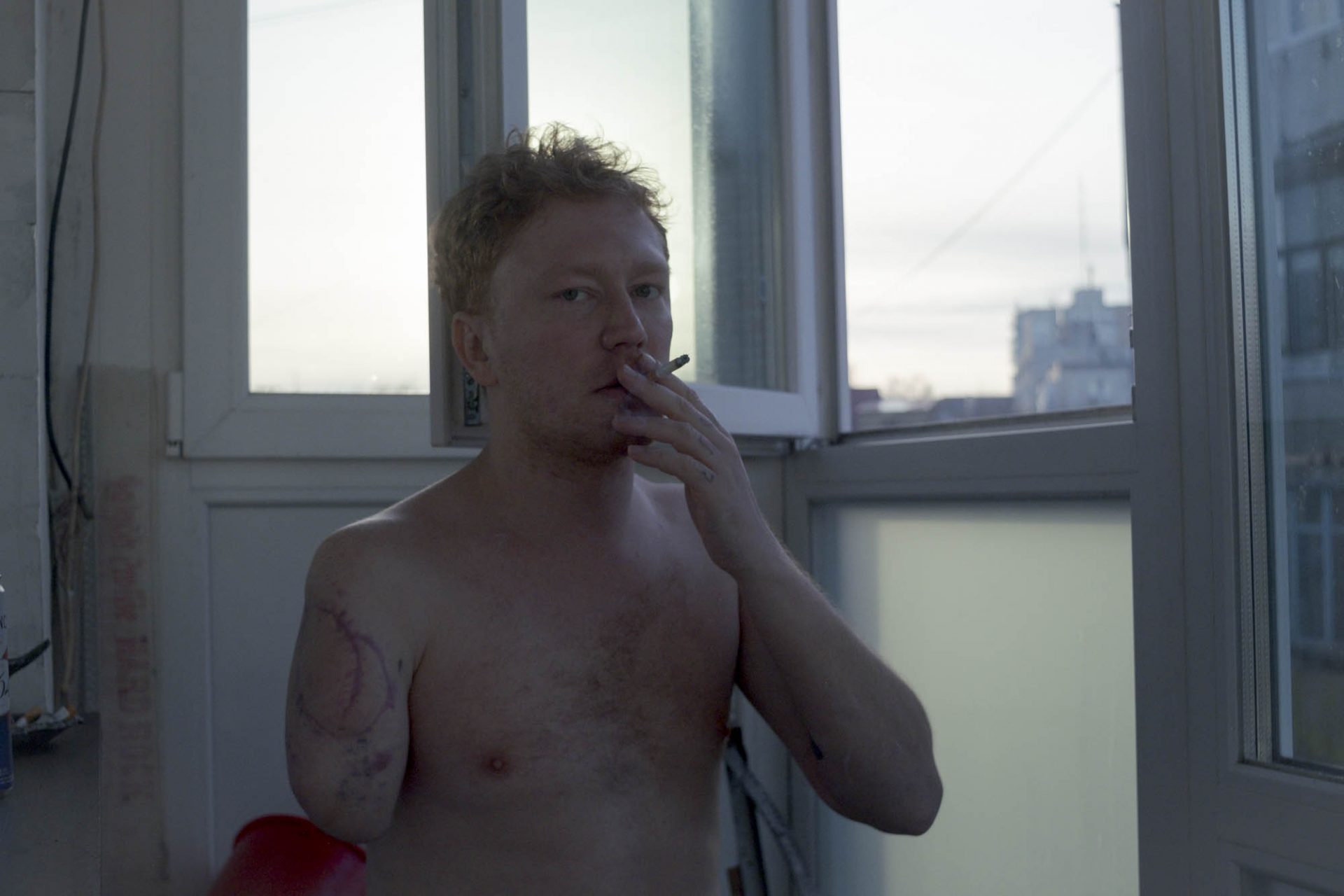
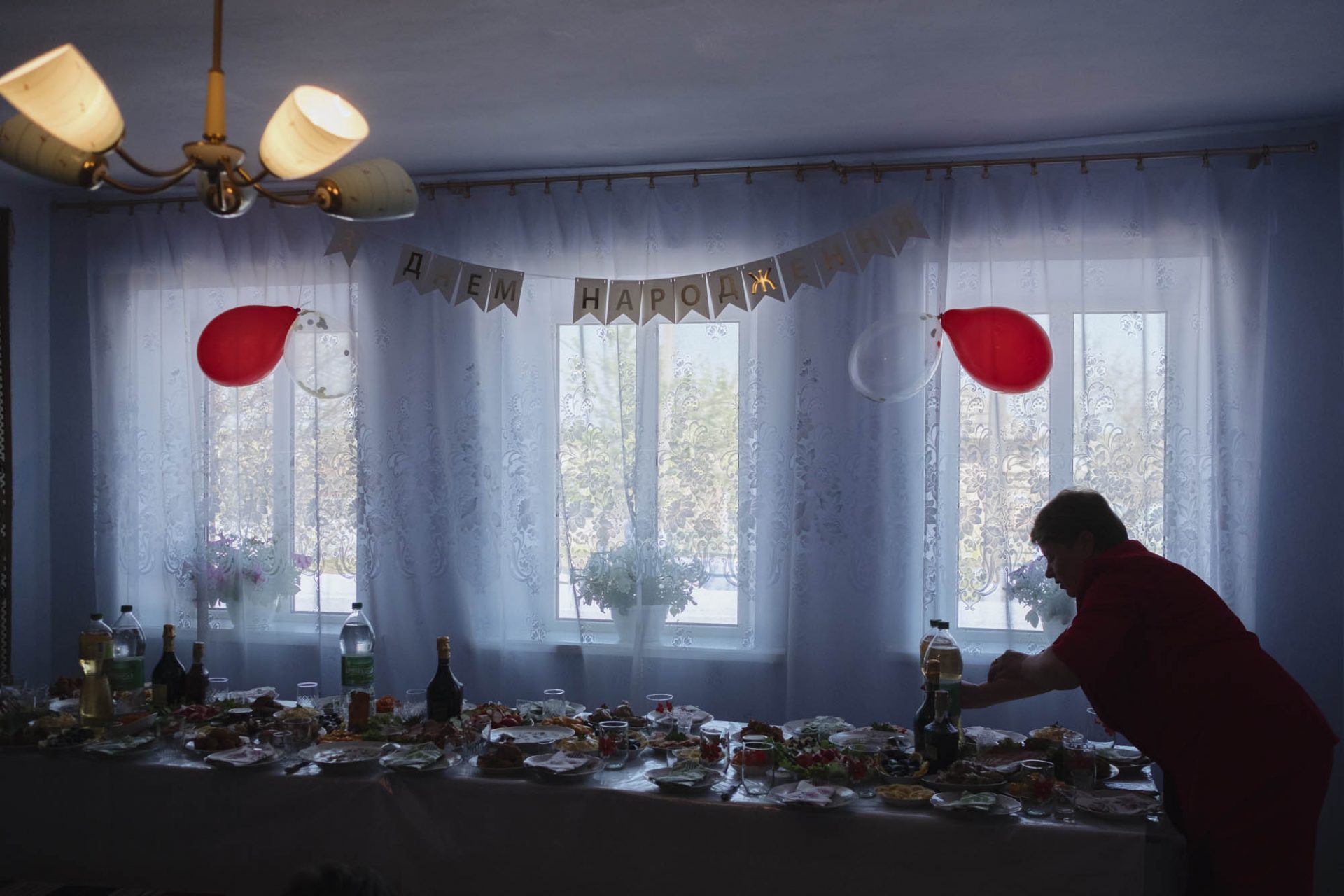
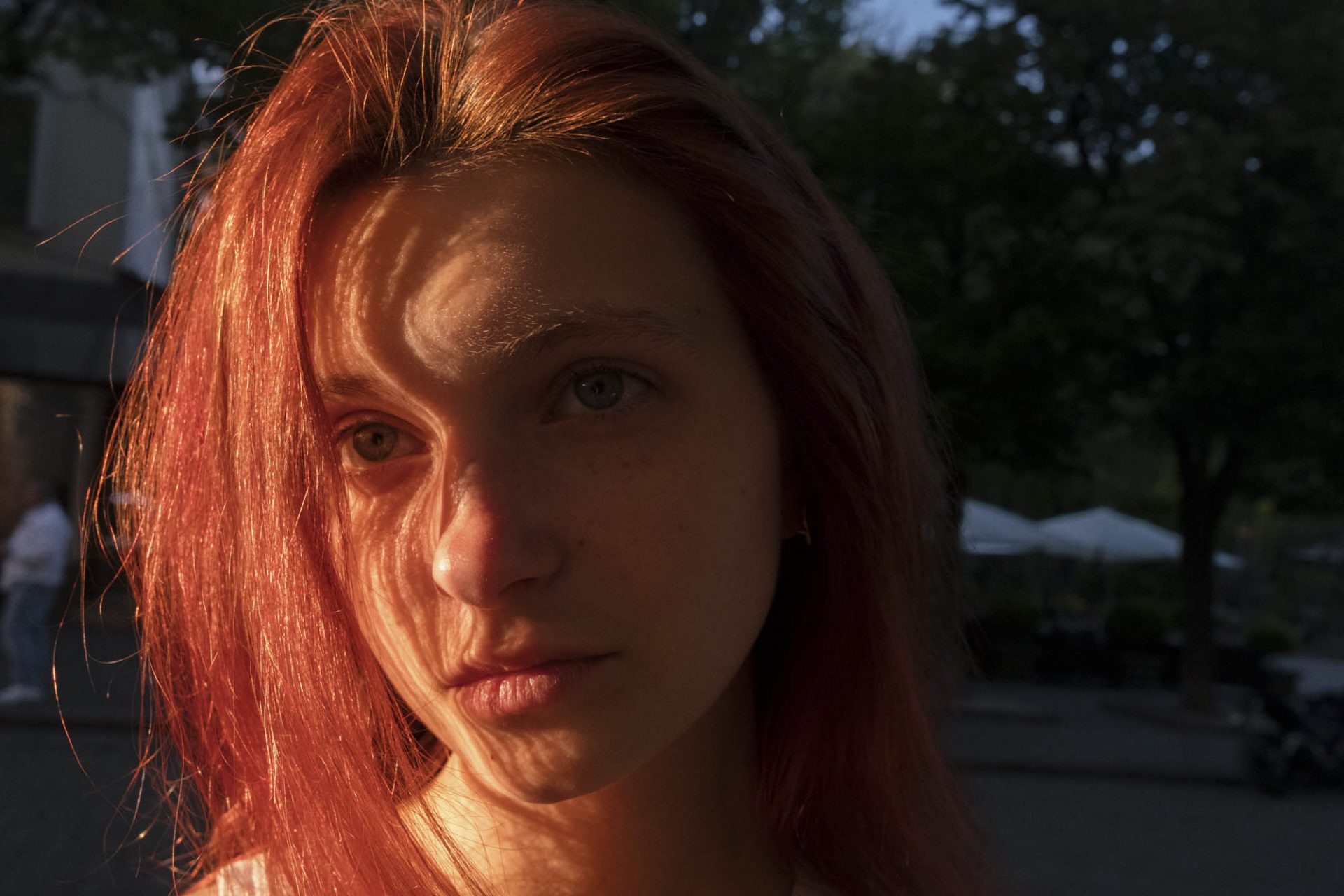
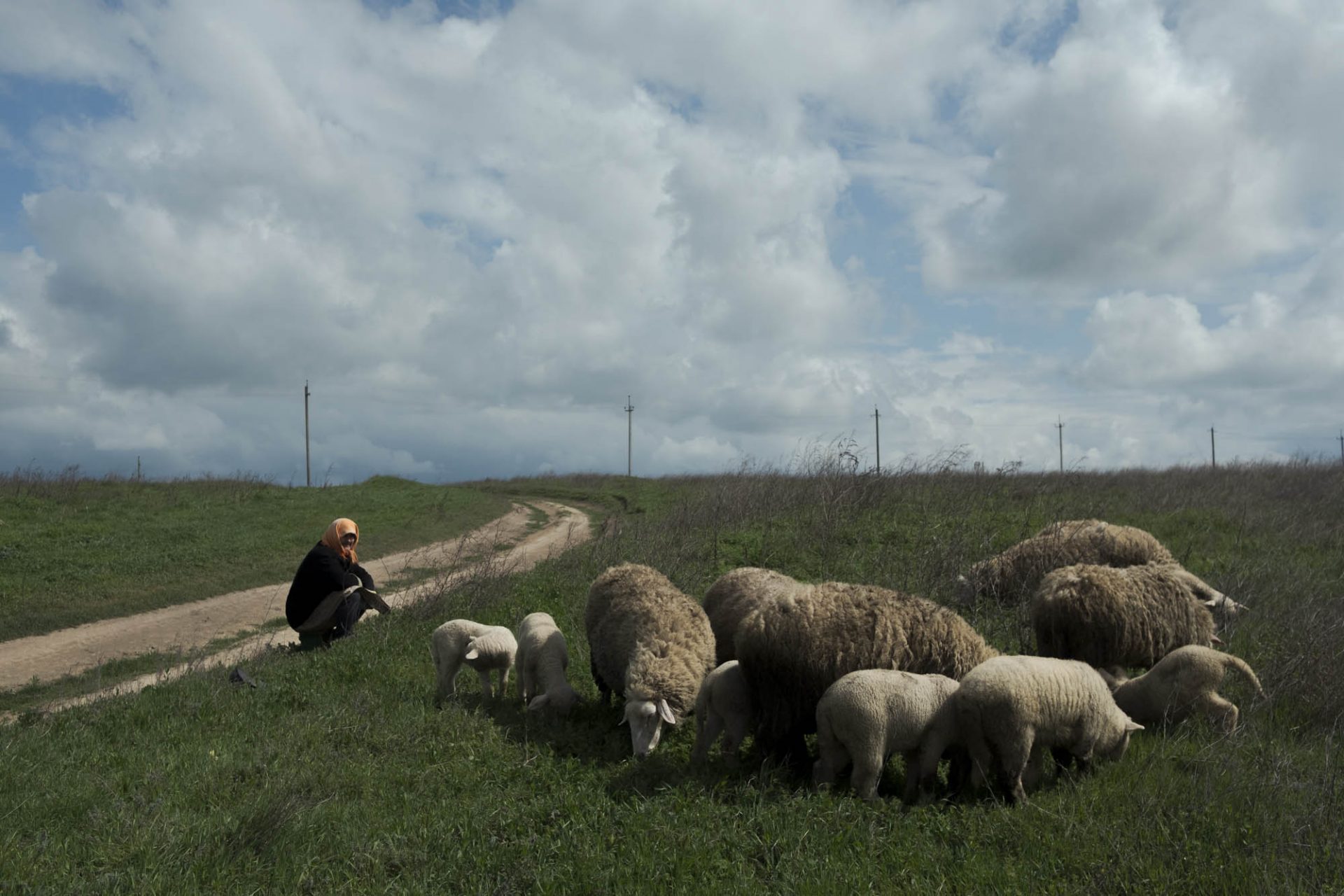
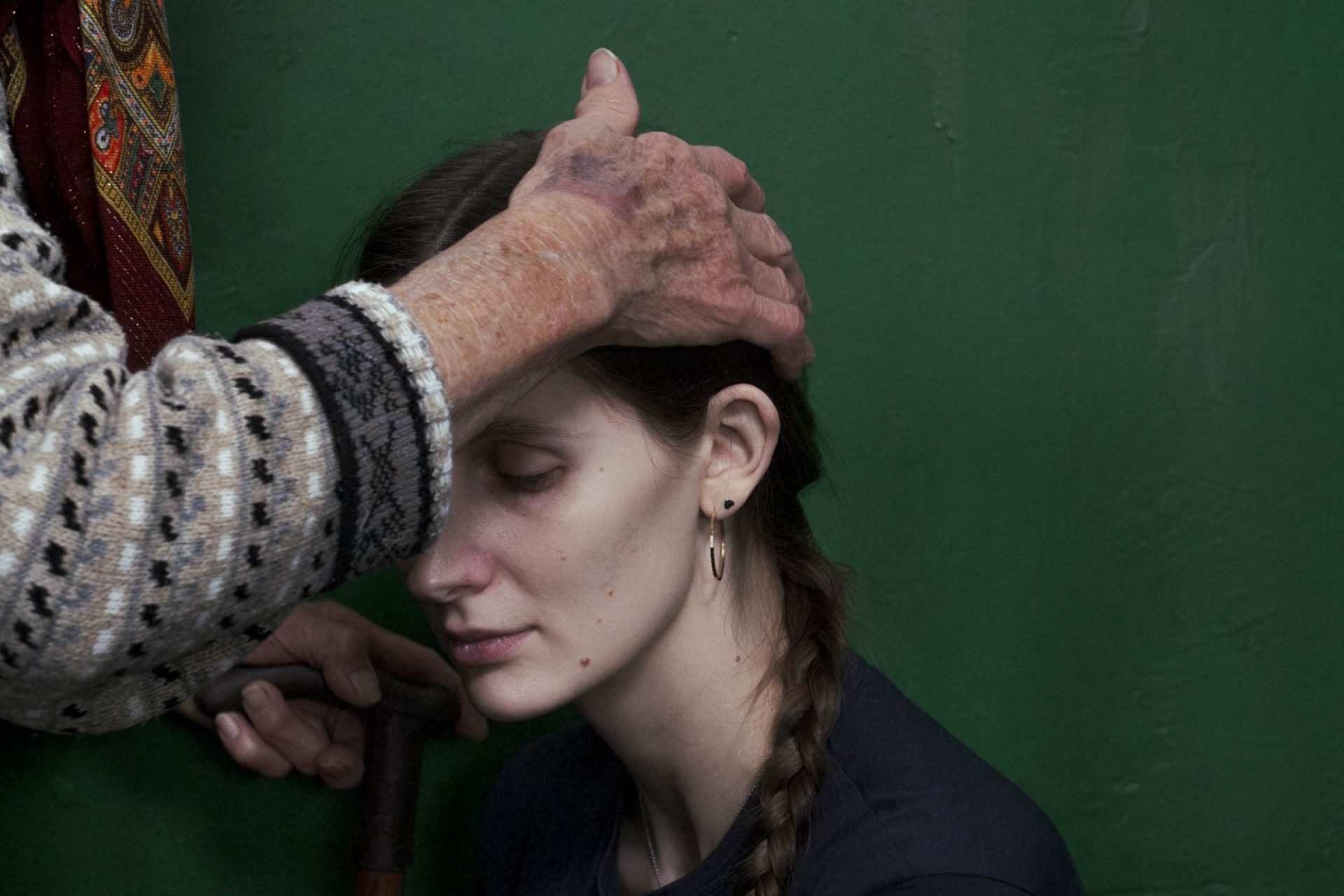
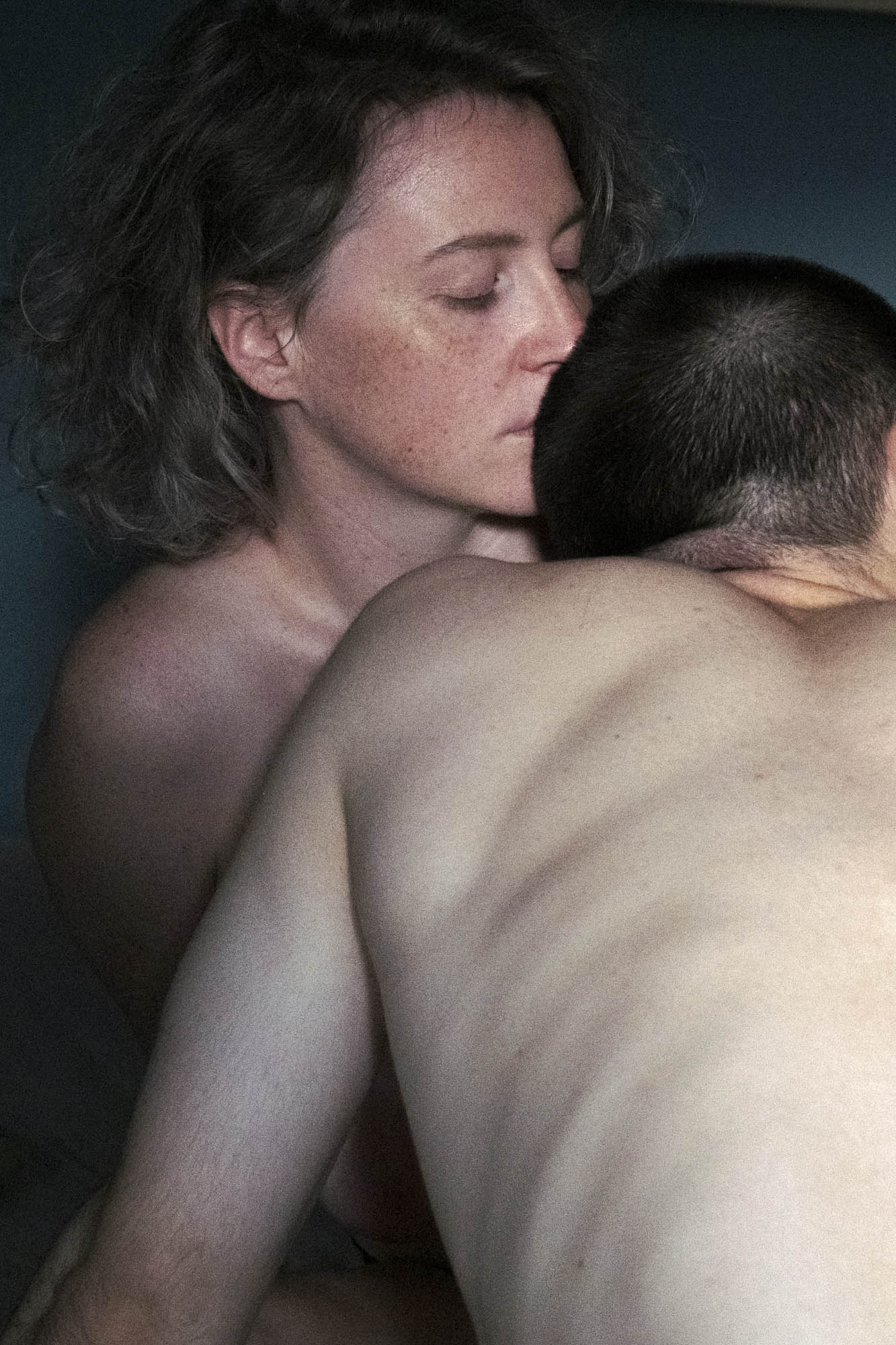
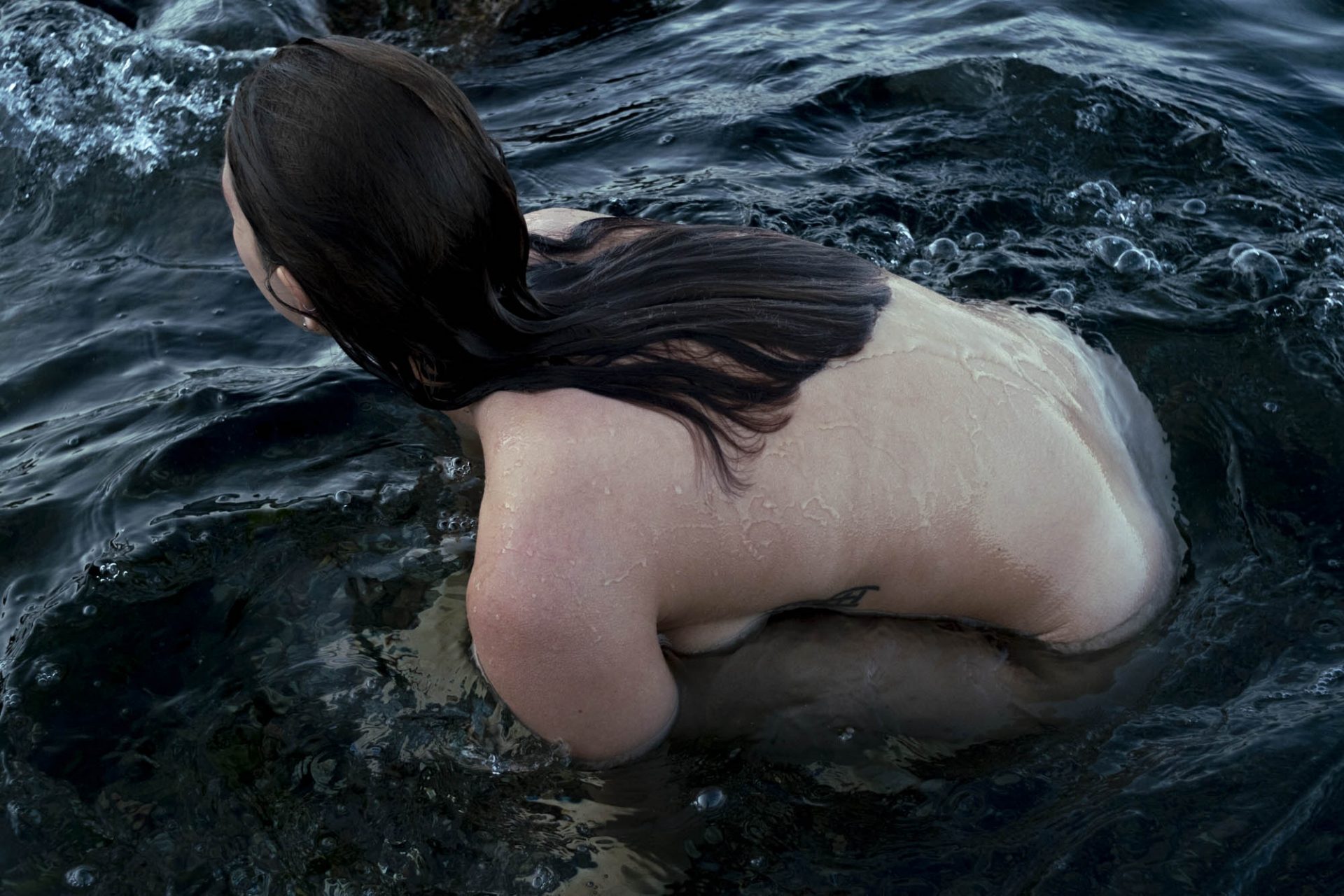
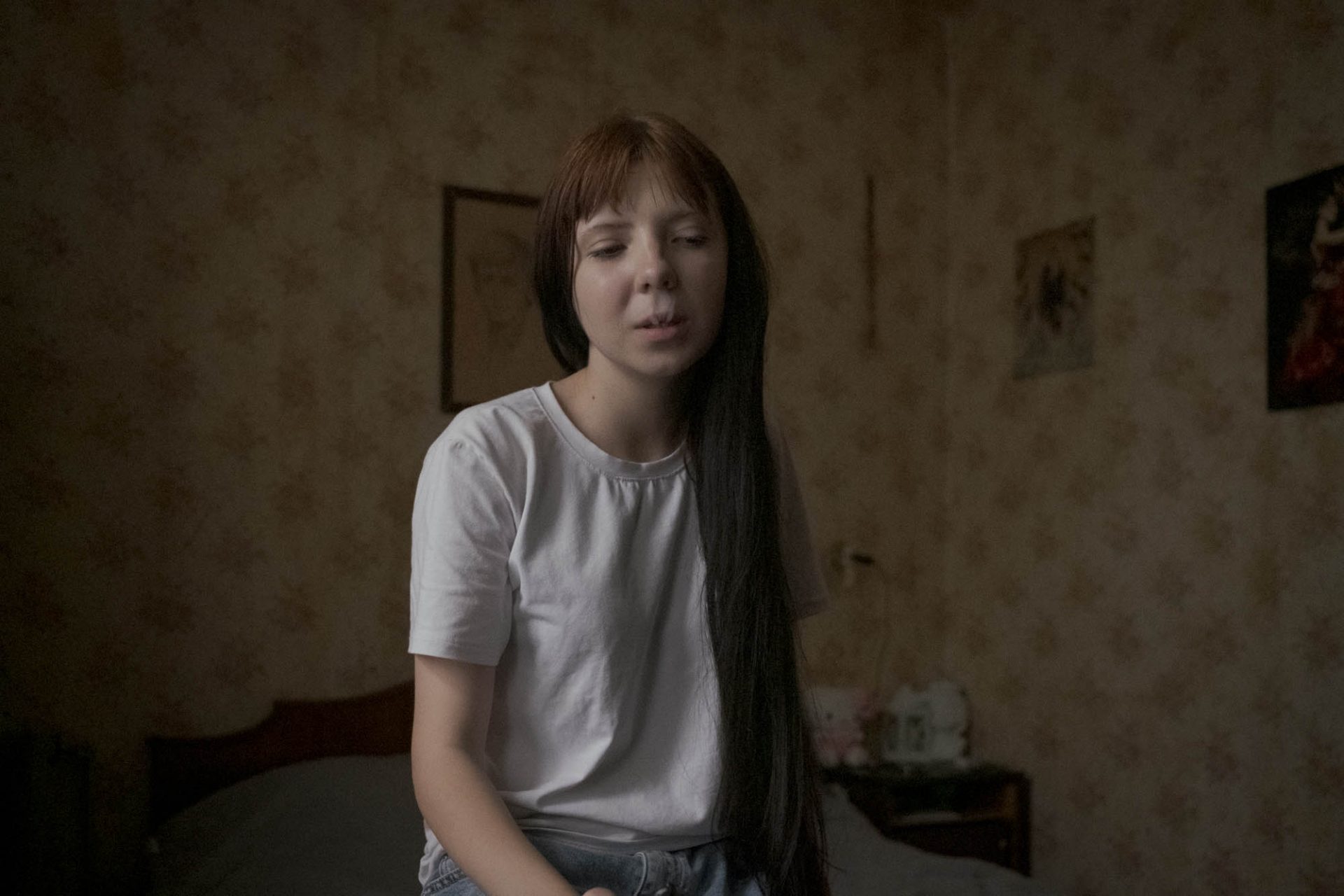
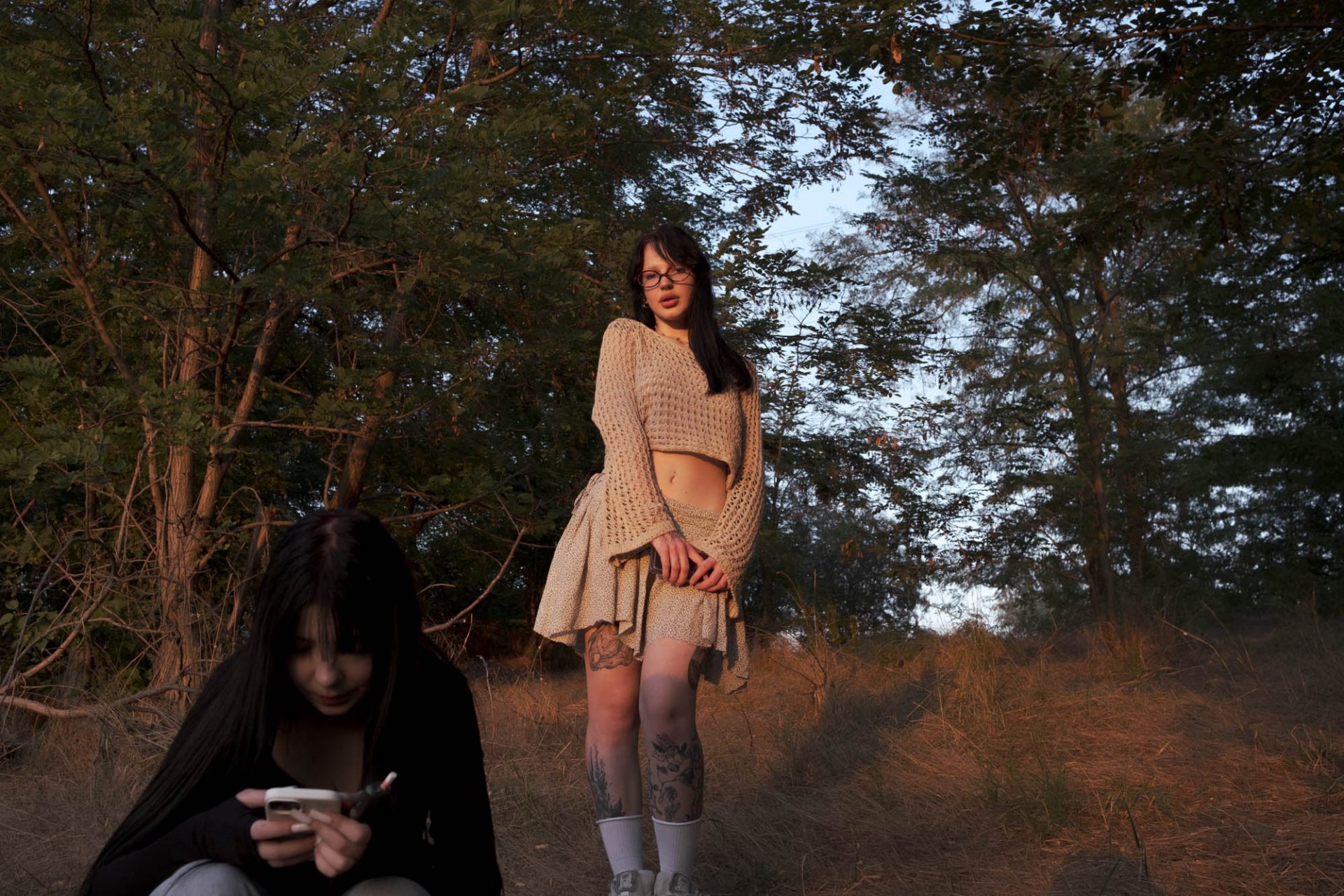
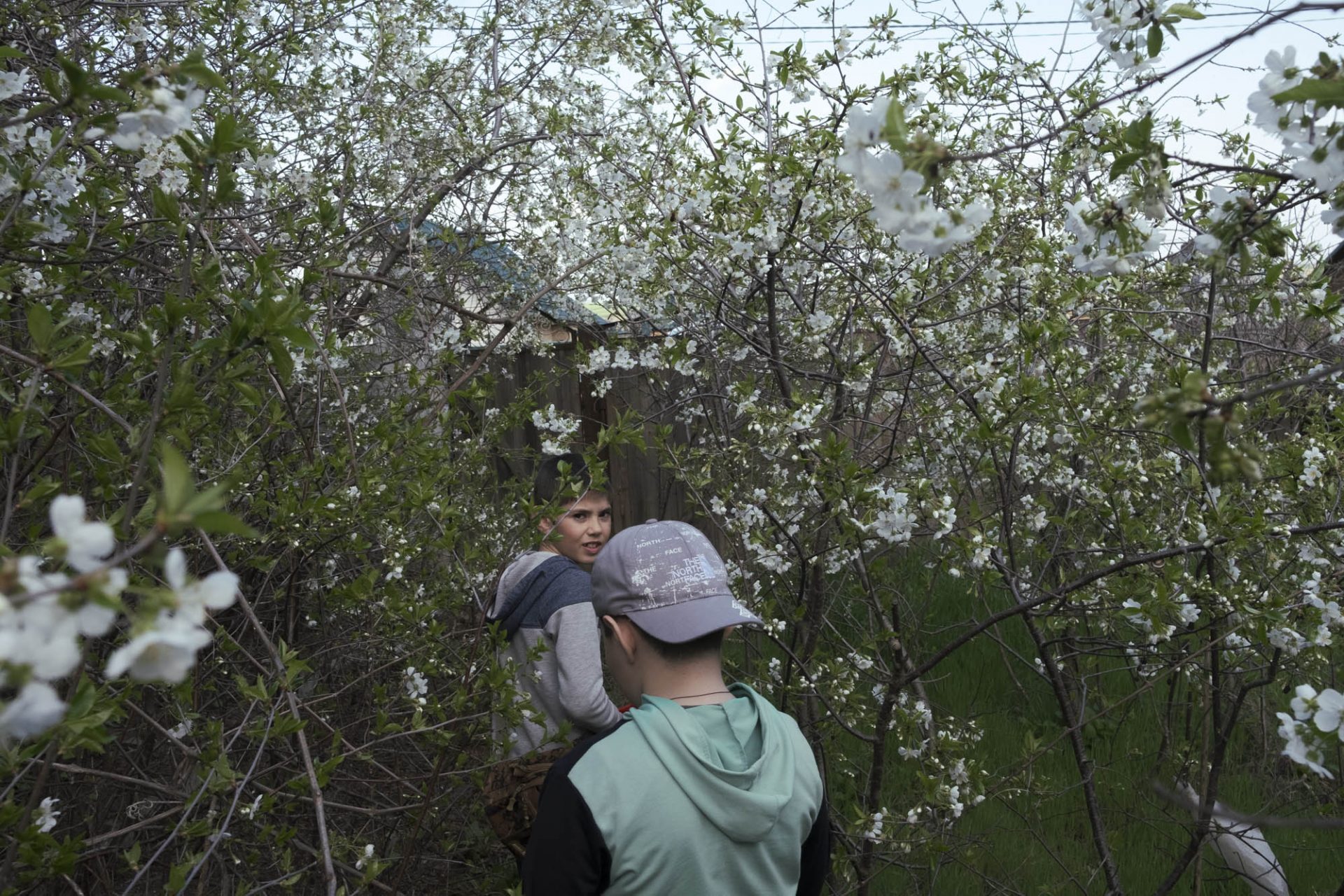
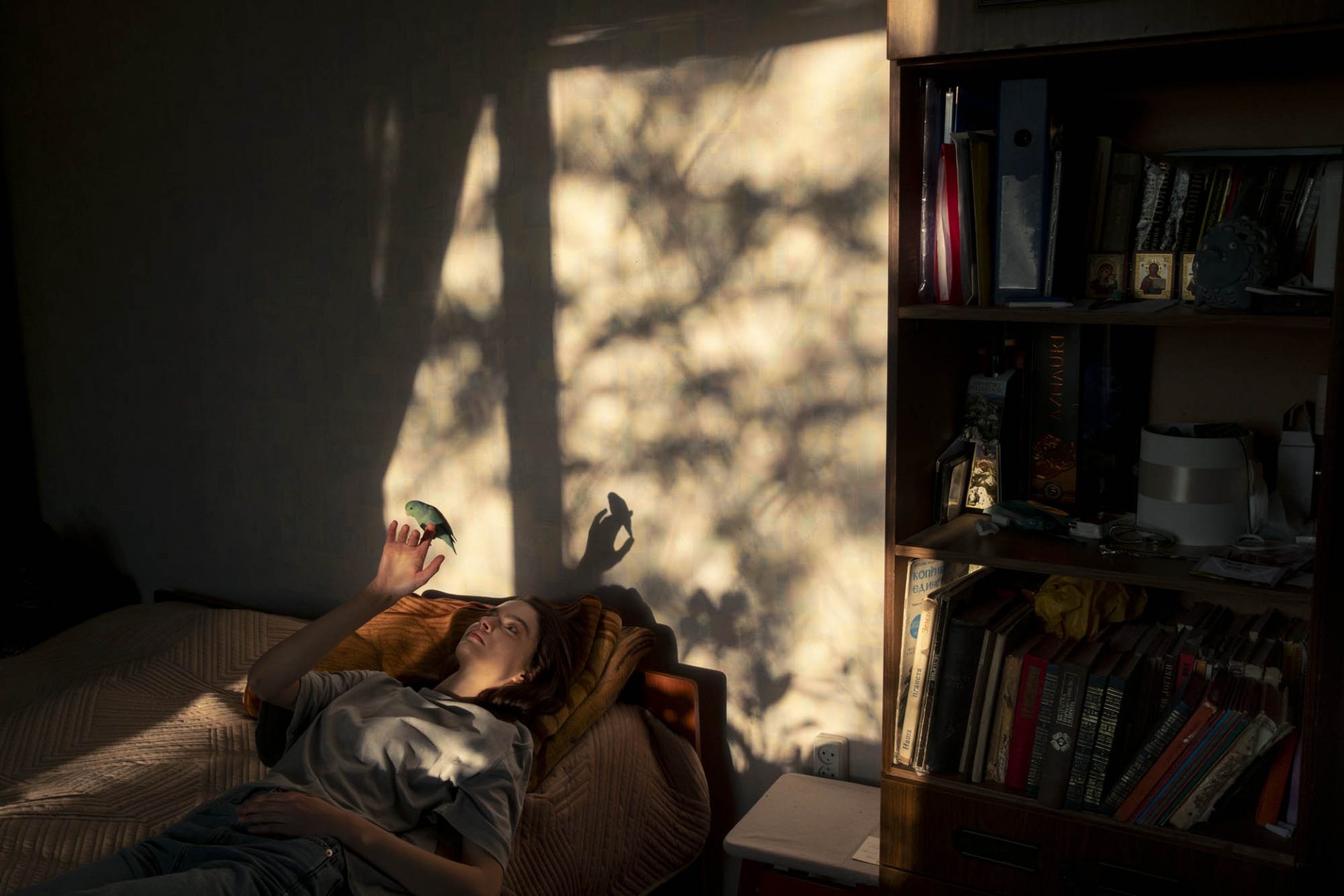
Circle is a transmedia project that seeks to capture and convey a particular state of mind: that of Ukrainian people, especially the younger generation, whose daily lives oscillate between fury and disillusionment.
Since Russia’s invasion of Ukraine, the question of testimony—and the form it should take—has become a crucial issue for those who wish to bear witness to the conflict. By constructing a constellation of personal trajectories, each marked in its own way by the war, Circle brings together the stories of Ukrainians whose lives have been profoundly altered, drawing them into a shared space: the rave.
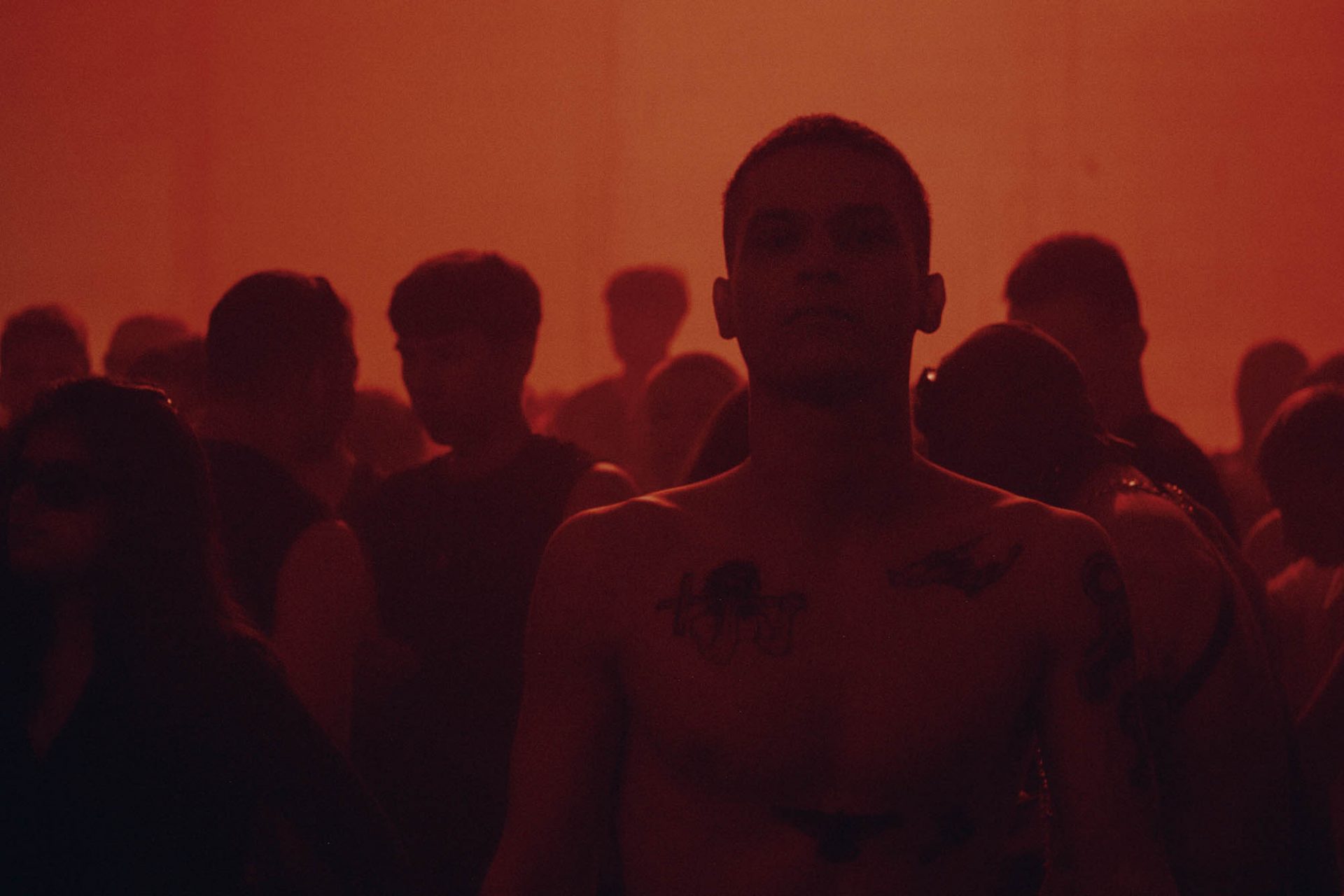
The rave has become a meeting place for soldiers on leave who no longer recognize themselves in civilian life, wounded veterans, civilians burdened by guilt, and young adults who know that their days before mobilization may be numbered. All of these people gather here. The rave allows them to confront their own emotions. Wrapped in music and protected by darkness, they are sheltered from judgment. They are both free from everything and connected through a collective experience.
By combining the deafening soundscape of the rave with photographs taken both inside and outside these gatherings, the project invites viewers to project their own emotions and interpretations onto these lives. Like the participants themselves, the viewer must experience this sensation in order to understand the images. The contrast between the music and the photographs of everyday life immerses the audience in the reality of these Ukrainians who, even while dancing, carry these images and memories within them.
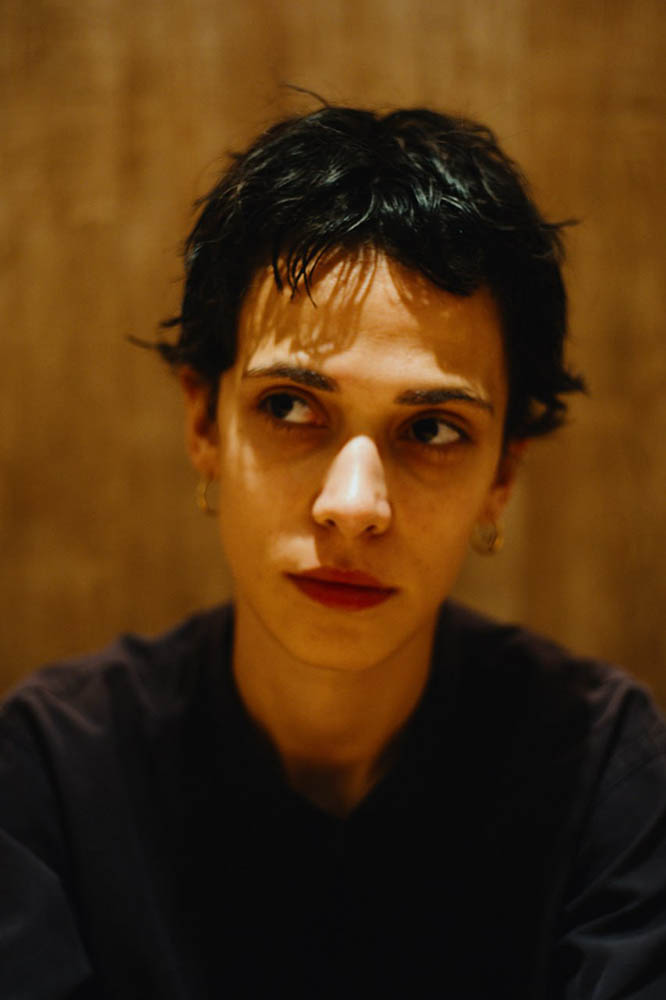
Originally from Ukraine, I emigrated to France in 2022, at the age of 25, with nothing but my past as a lawyer and a backpack after Russia’s invasion of my country. In Paris, I lived wherever I could and began working in the restaurant industry. My qualifications no longer meant anything, and I did not speak French. A fairly ordinary story of forced migration.
At the time, I had no knowledge of photography as a medium, nor, more broadly, of the history of visual forms and images. I immersed myself in photography, devouring everything I could find. Everything became an image; everything became a reason to bear witness: the backstage of a Parisian cabaret, my family who remained in Ukraine, friends, people with Down syndrome, or my own daily life.
Yet there has always been something that profoundly shaped my perspective: my uncle Sasha.
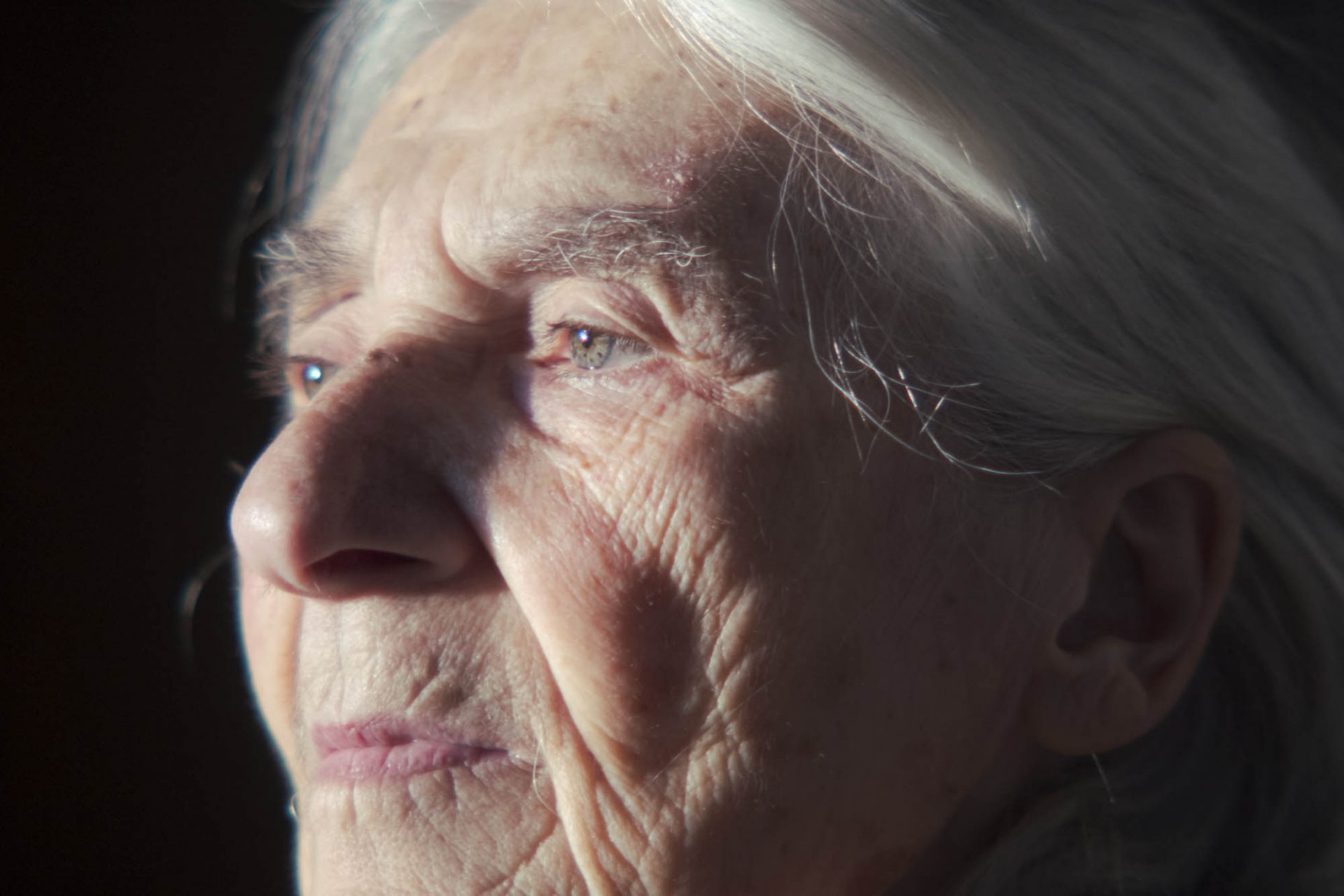
Sasha has an intellectual disability. He is unaware of it himself, but he has the mental age of a child in the body of a man in his sixties. He is happy, but he depends on the support of our entire family. My grandmother is his primary caregiver; they are best friends. She is eighty-six years old. I often find myself worrying about what the future holds for them both.
As a result, the atmosphere of my photographs has always been filtered through this underlying preoccupation: how does one find their place in the world? Whether you are disabled, a refugee, transgender, shy, overweight, or struggling in some way, how do you find your place in this world? How do we communicate and connect in a society where individual experiences are becoming increasingly diverse and specific?
For me, photography is not merely a means of expression. It is a way of responding to these people. A way of saying: yes, they have a place in this world. And so do I.