

Bourse du Talent 2026 : Claire Corrion
Zenne

Zenne
Zenne
CORRION_ZENNE-2
CORRION_ZENNE-2
CORRION_ZENNE-3
CORRION_ZENNE-3
CORRION_ZENNE-4
CORRION_ZENNE-4
CORRION_ZENNE-5
CORRION_ZENNE-5
CORRION_ZENNE-6
CORRION_ZENNE-6
CORRION_ZENNE-7
CORRION_ZENNE-7
CORRION_ZENNE-8
CORRION_ZENNE-8
CORRION_ZENNE-9
CORRION_ZENNE-9
CORRION_ZENNE-10
CORRION_ZENNE-10
CORRION_ZENNE-12

CORRION_ZENNE-12
CORRION_ZENNE-11
CORRION_ZENNE-11
CORRION_ZENNE-13
CORRION_ZENNE-13
CORRION_ZENNE-14
CORRION_ZENNE-14
CORRION_ZENNE-15
CORRION_ZENNE-15
CORRION_ZENNE-16
CORRION_ZENNE-16
CORRION_ZENNE-17
CORRION_ZENNE-17
CORRION_ZENNE-18
CORRION_ZENNE-18
CORRION_ZENNE-19
CORRION_ZENNE-19
CORRION_ZENNE-20
CORRION_ZENNE-20
CORRION_ZENNE-21
CORRION_ZENNE-21
Scrolling is automatic, but you can use the arrows to navigate between images. Click on the image to switch to full screen mode.
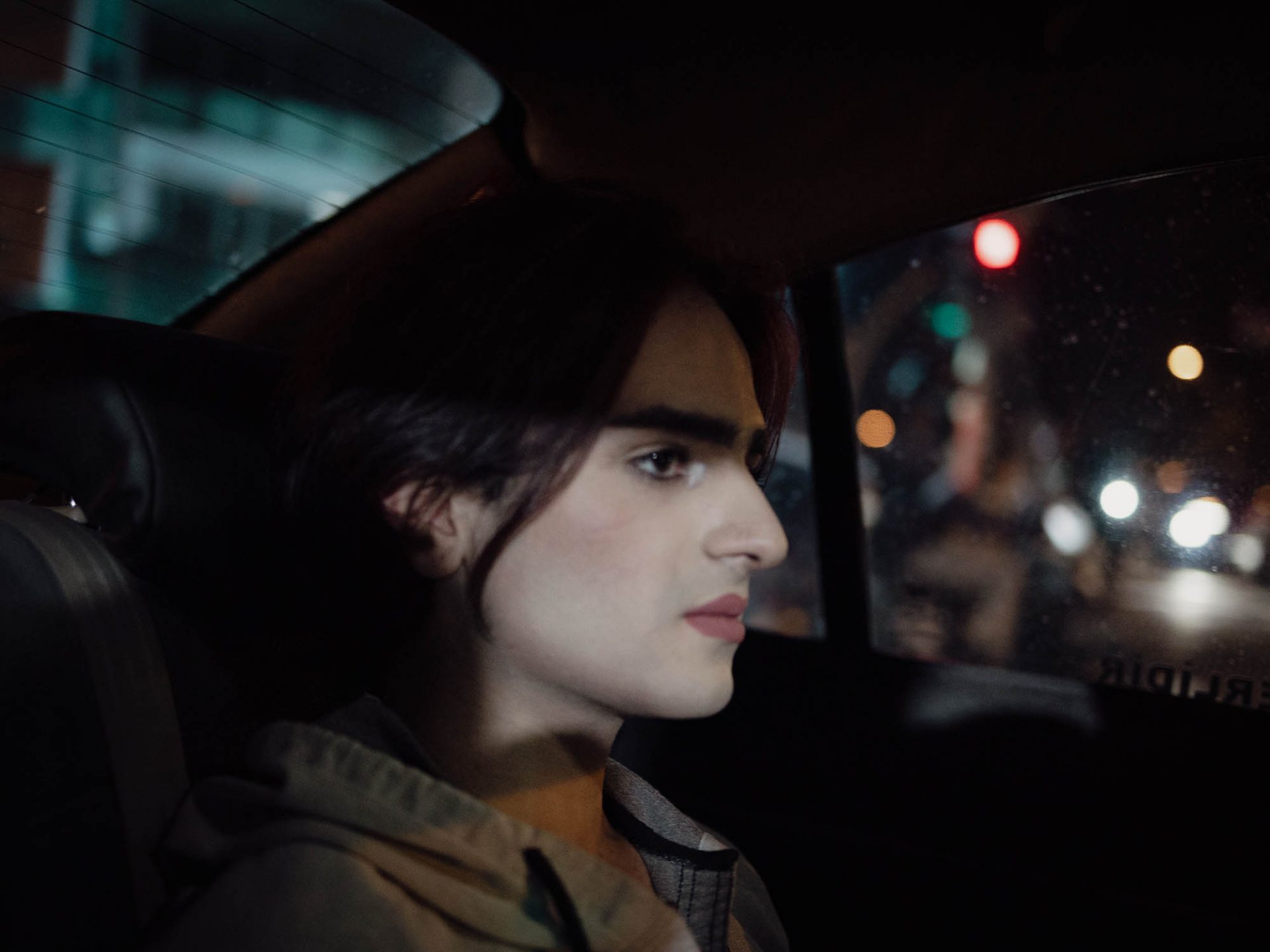
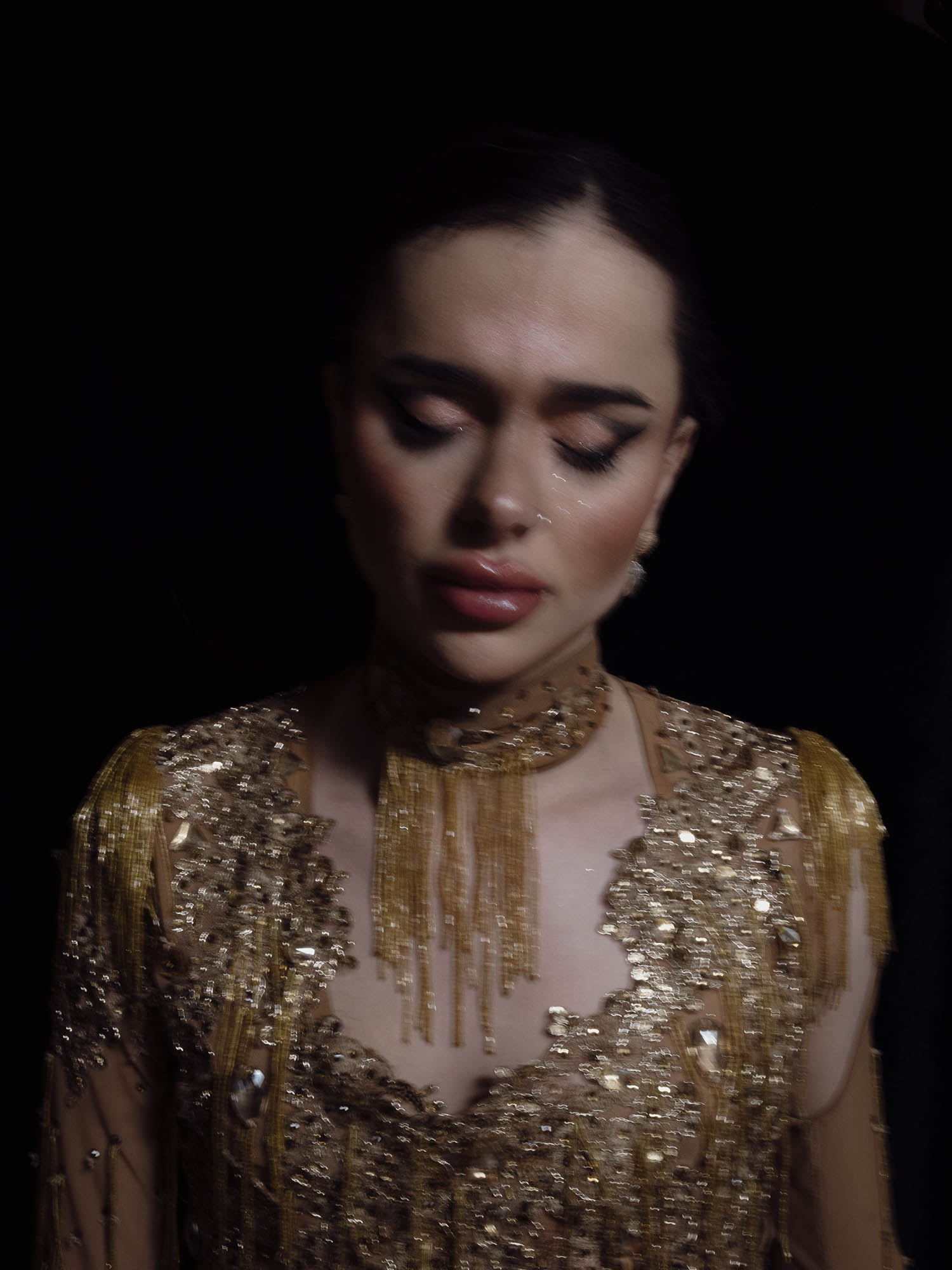
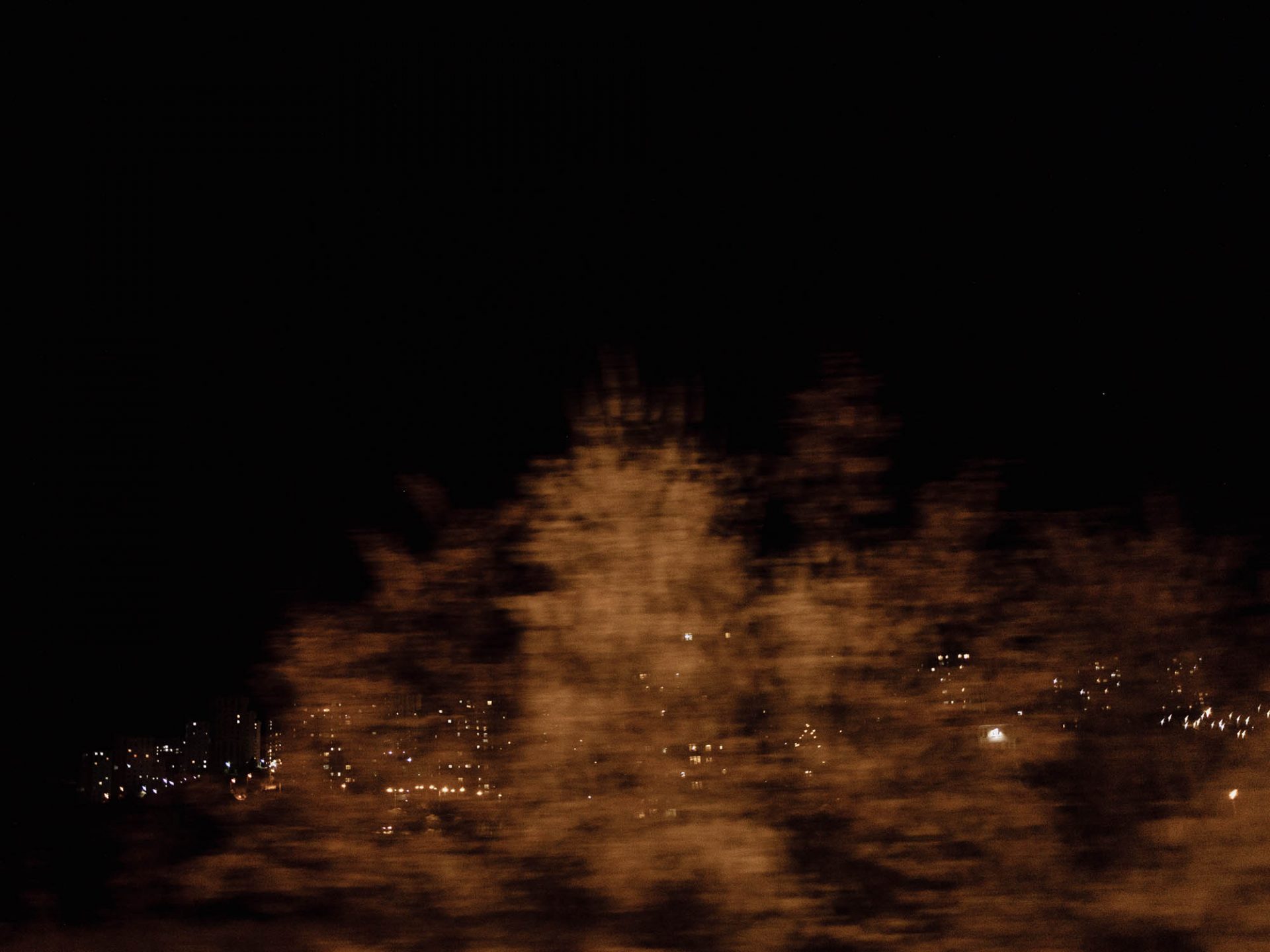
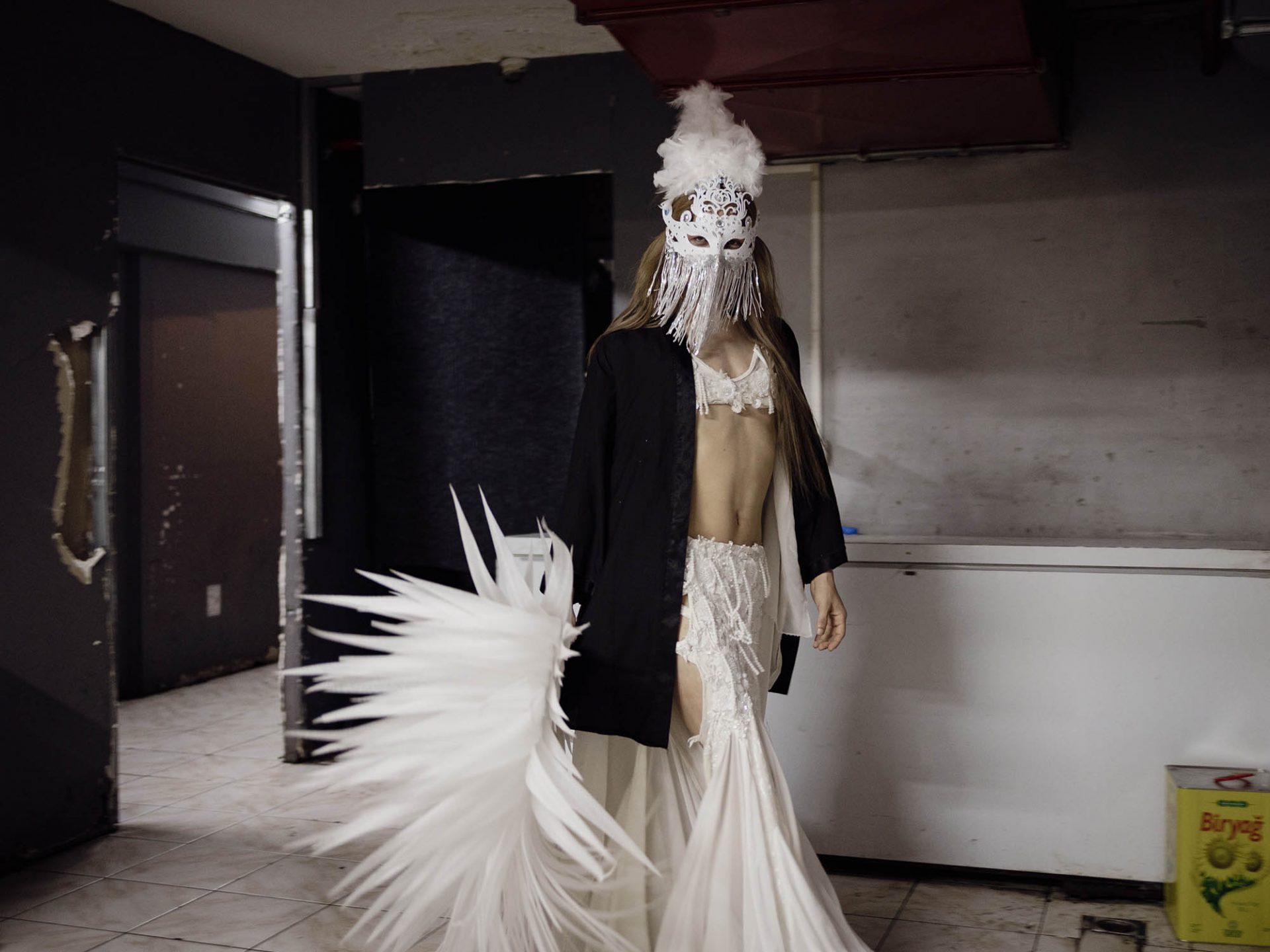
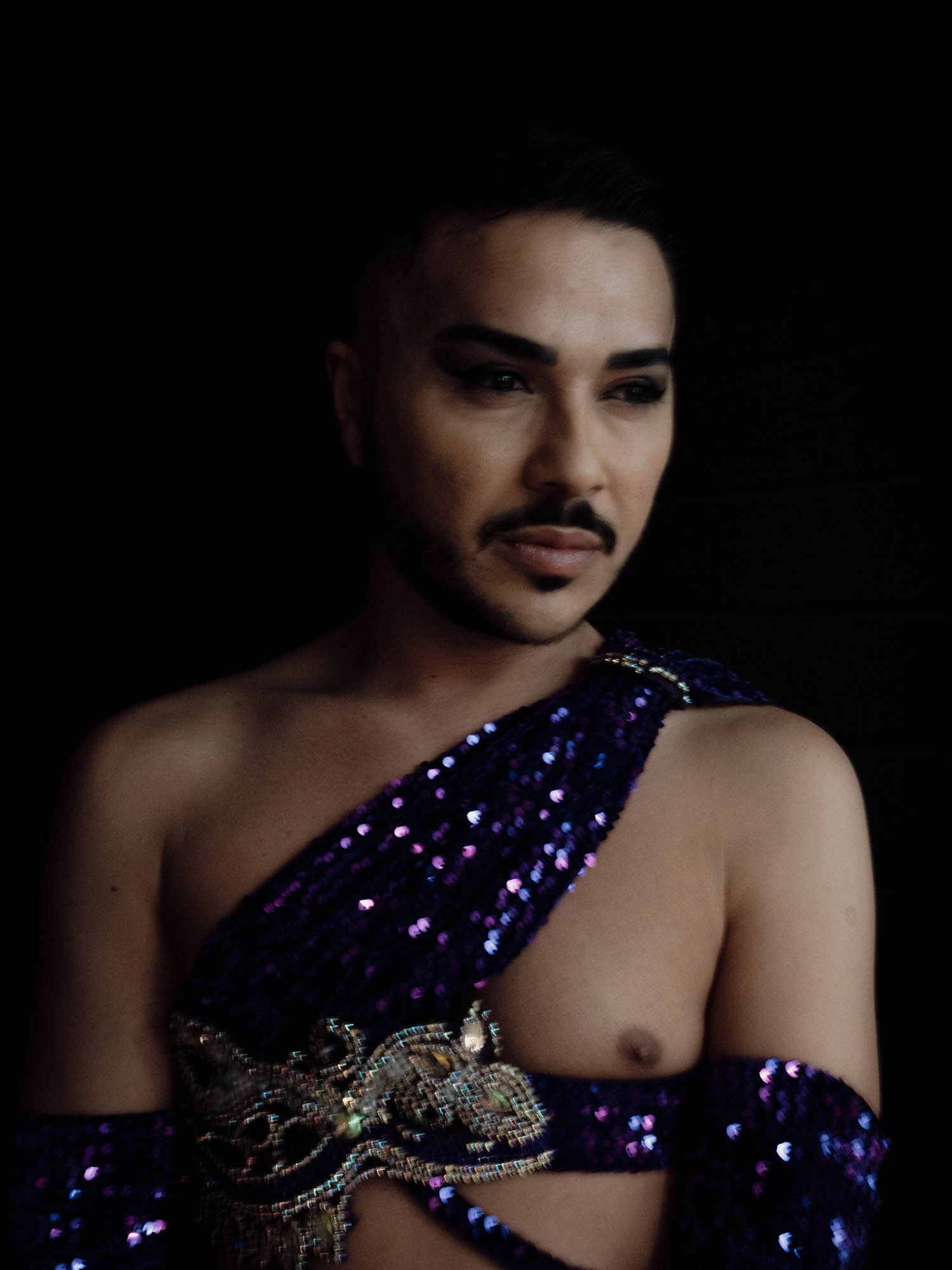
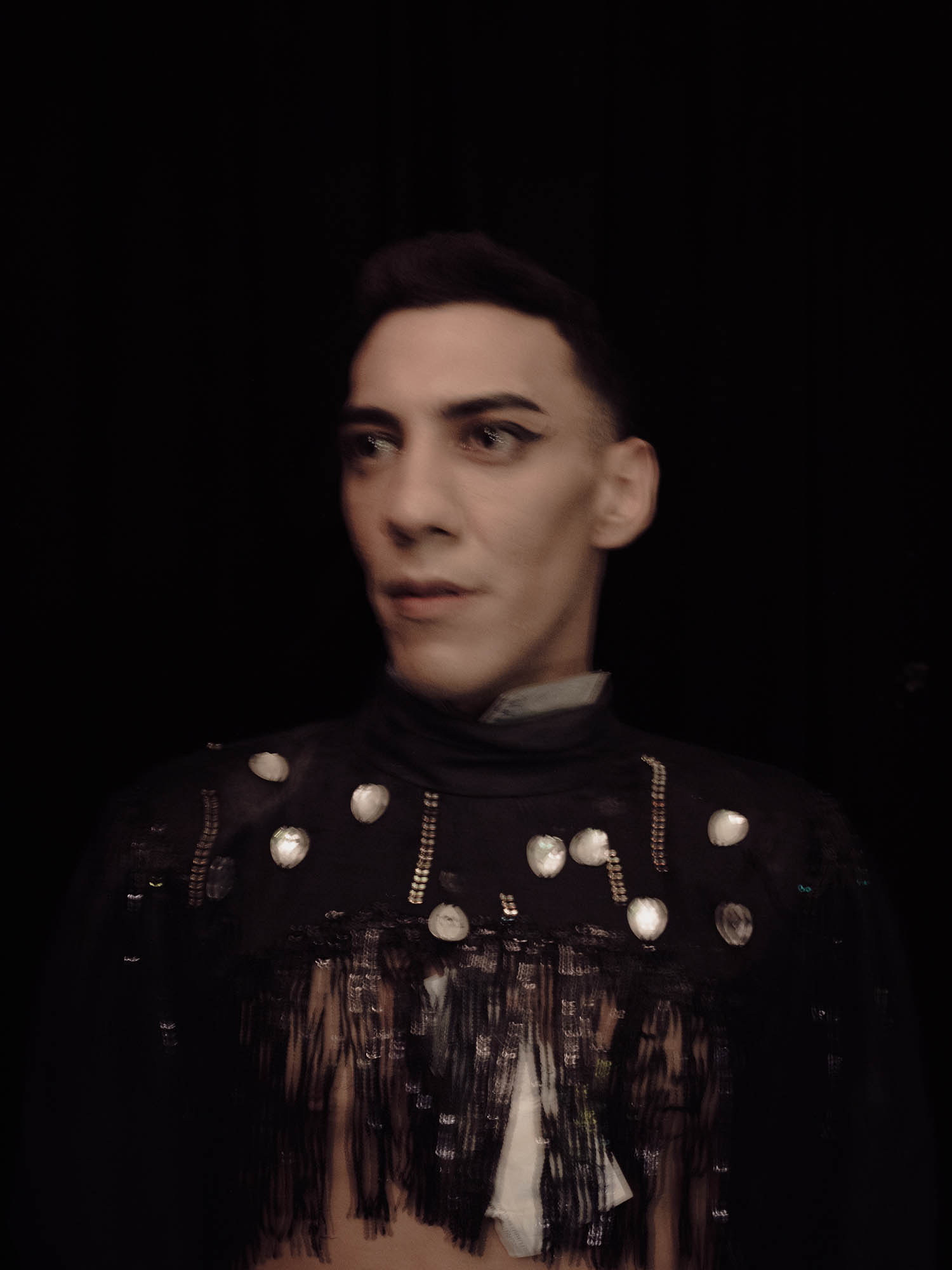
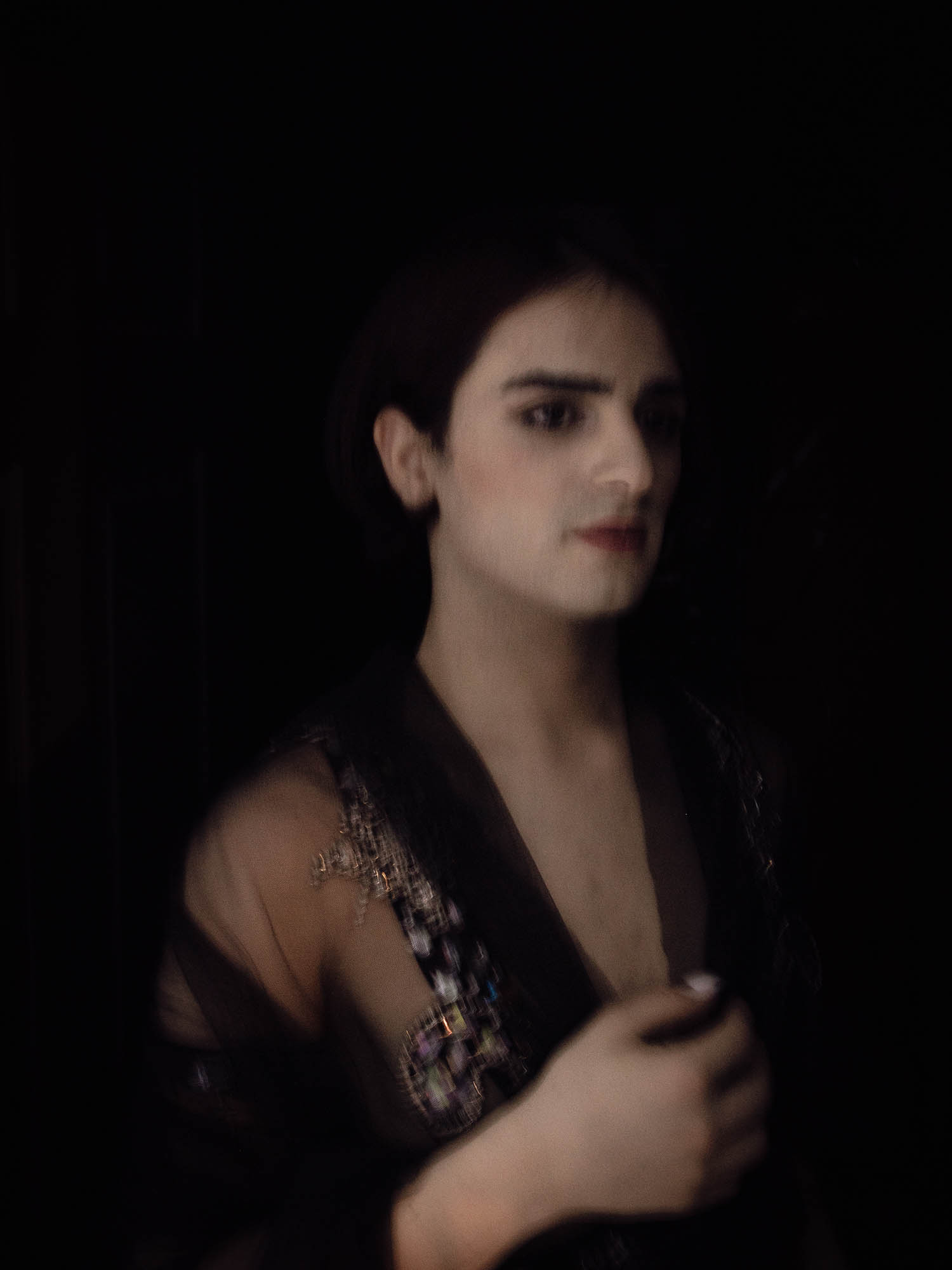
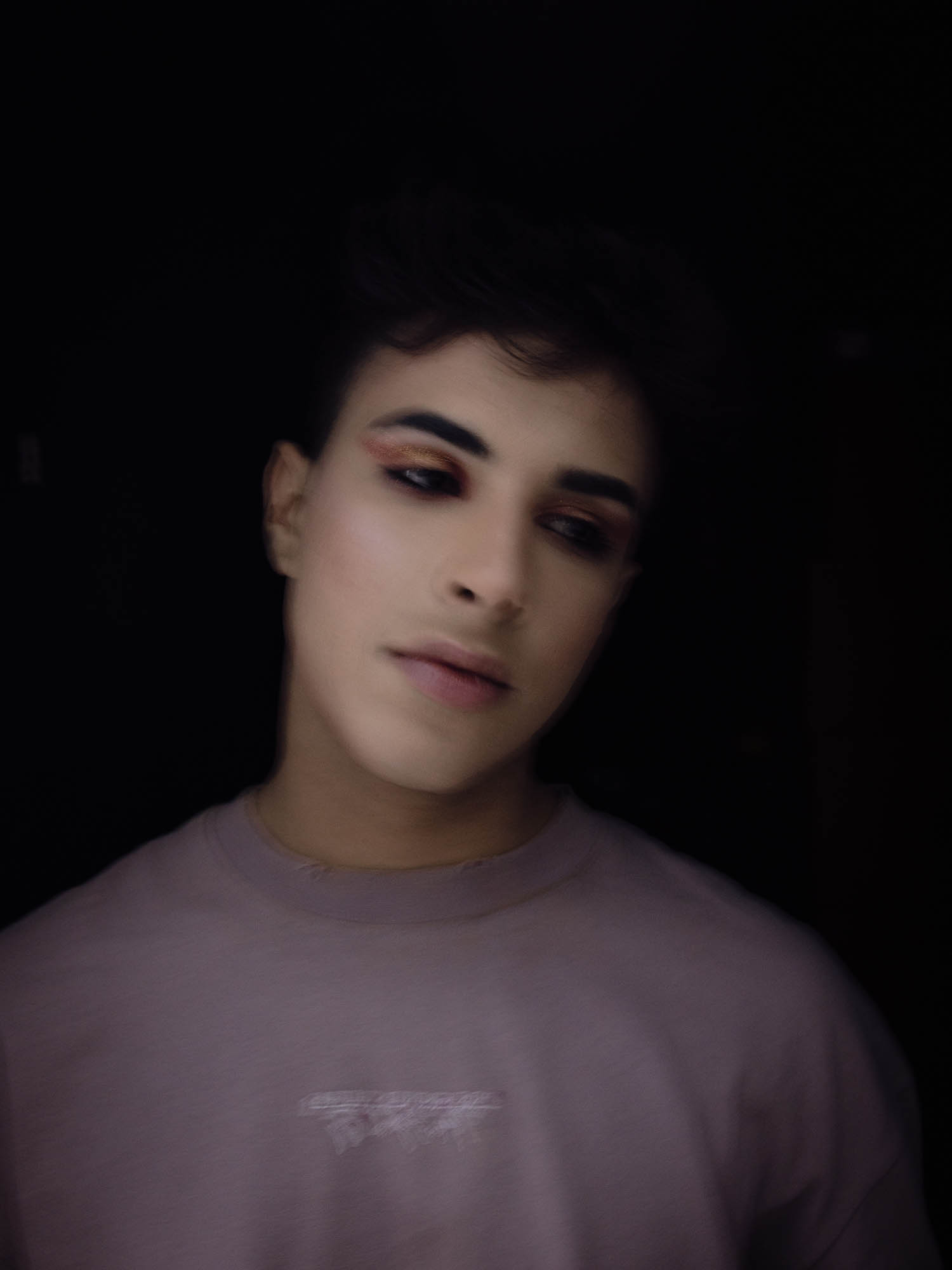
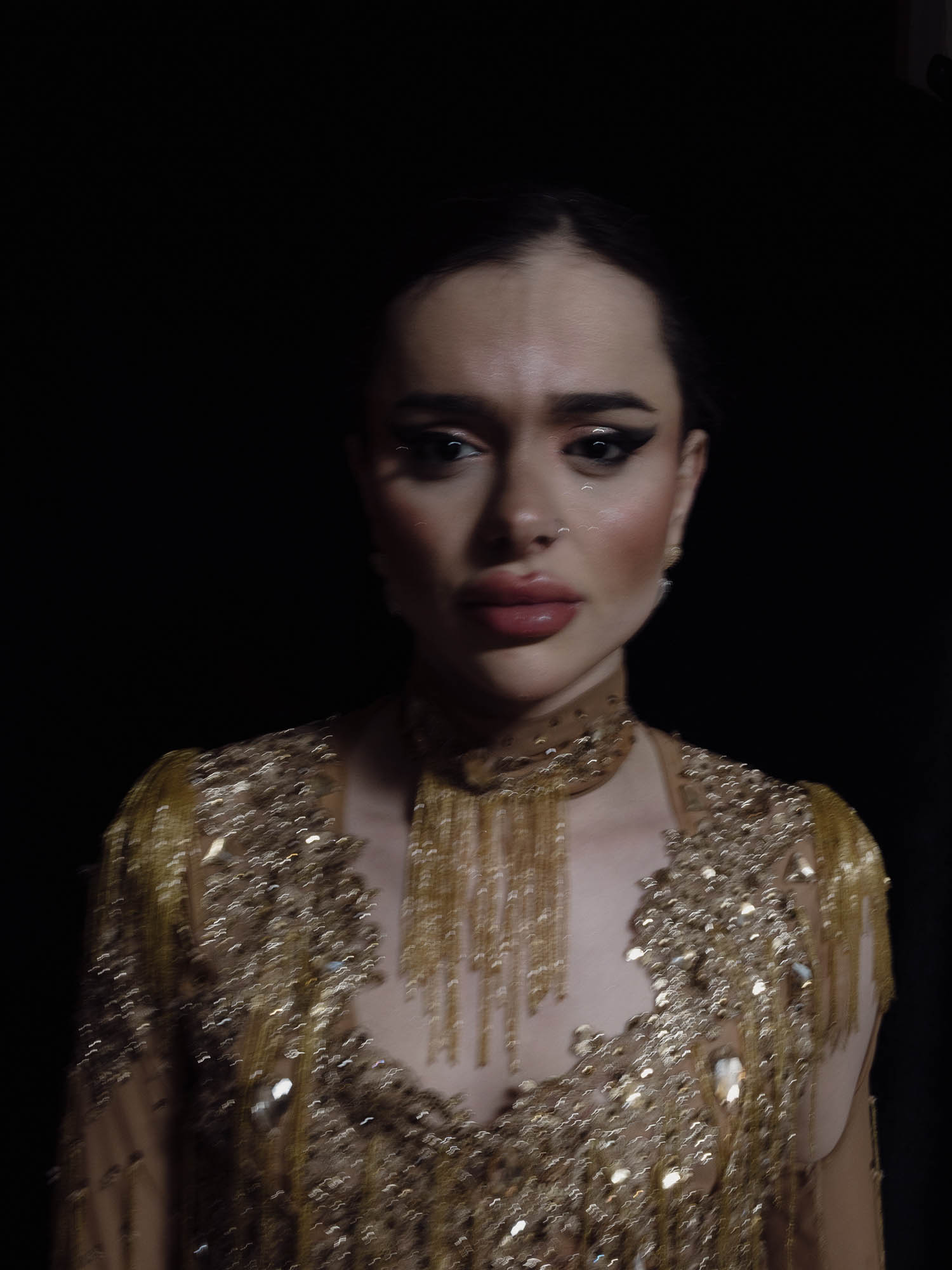
Under the Ottoman Empire, young men known as zenne performed belly dance. At a time when women were forbidden from performing in front of men, they occupied a central place in the Topkapı Palace and entertained audiences in the taverns of Constantinople. By the nineteenth century, there were more than 600 zenne, but their popularity eventually became a source of concern, and in 1837 Sultan Mahmud II brought the practice to an end. The proclamation of the Turkish Republic in 1923, together with Atatürk’s programme of modernization, further contributed to the decline of these dancers’ popularity.
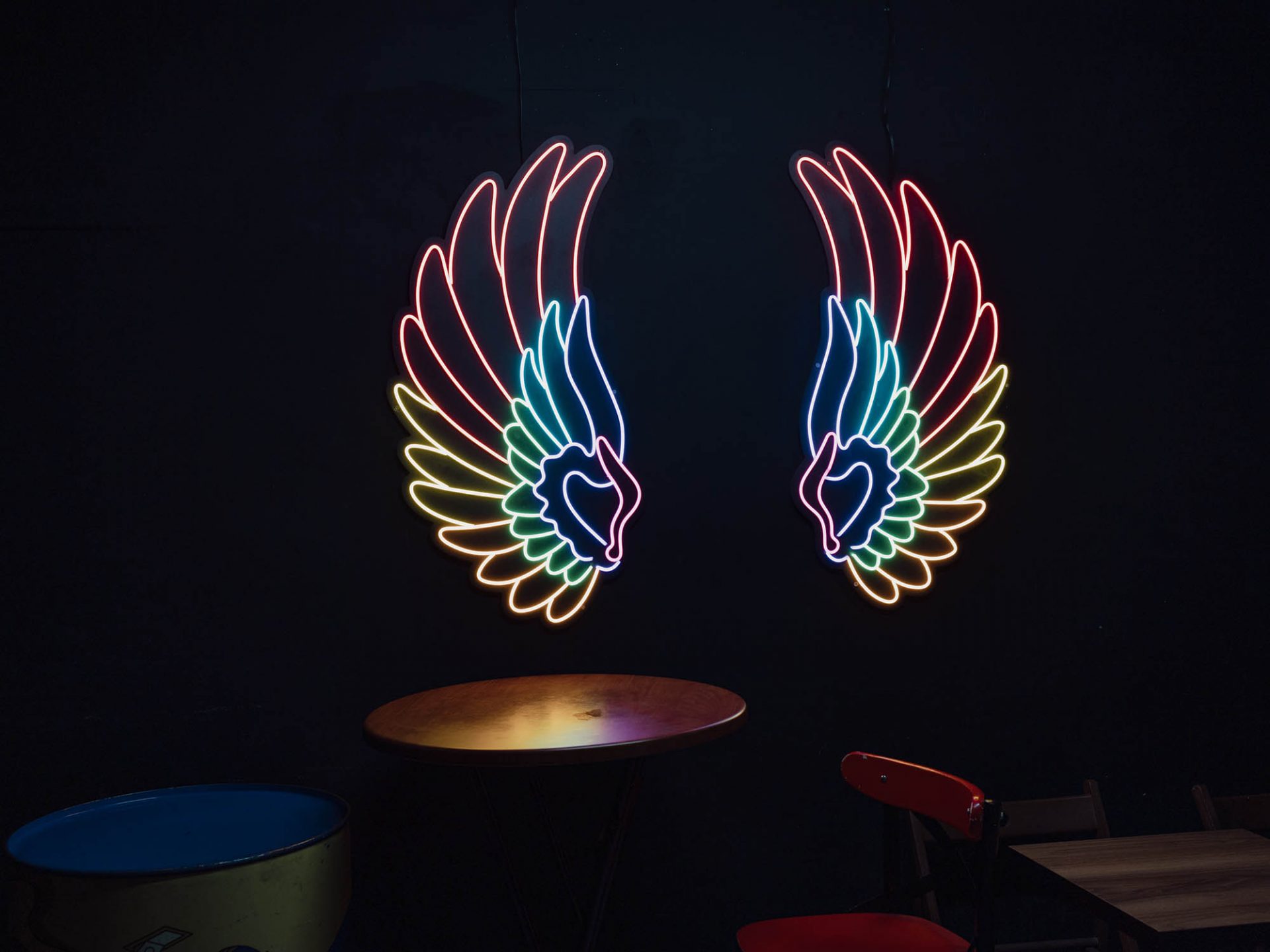
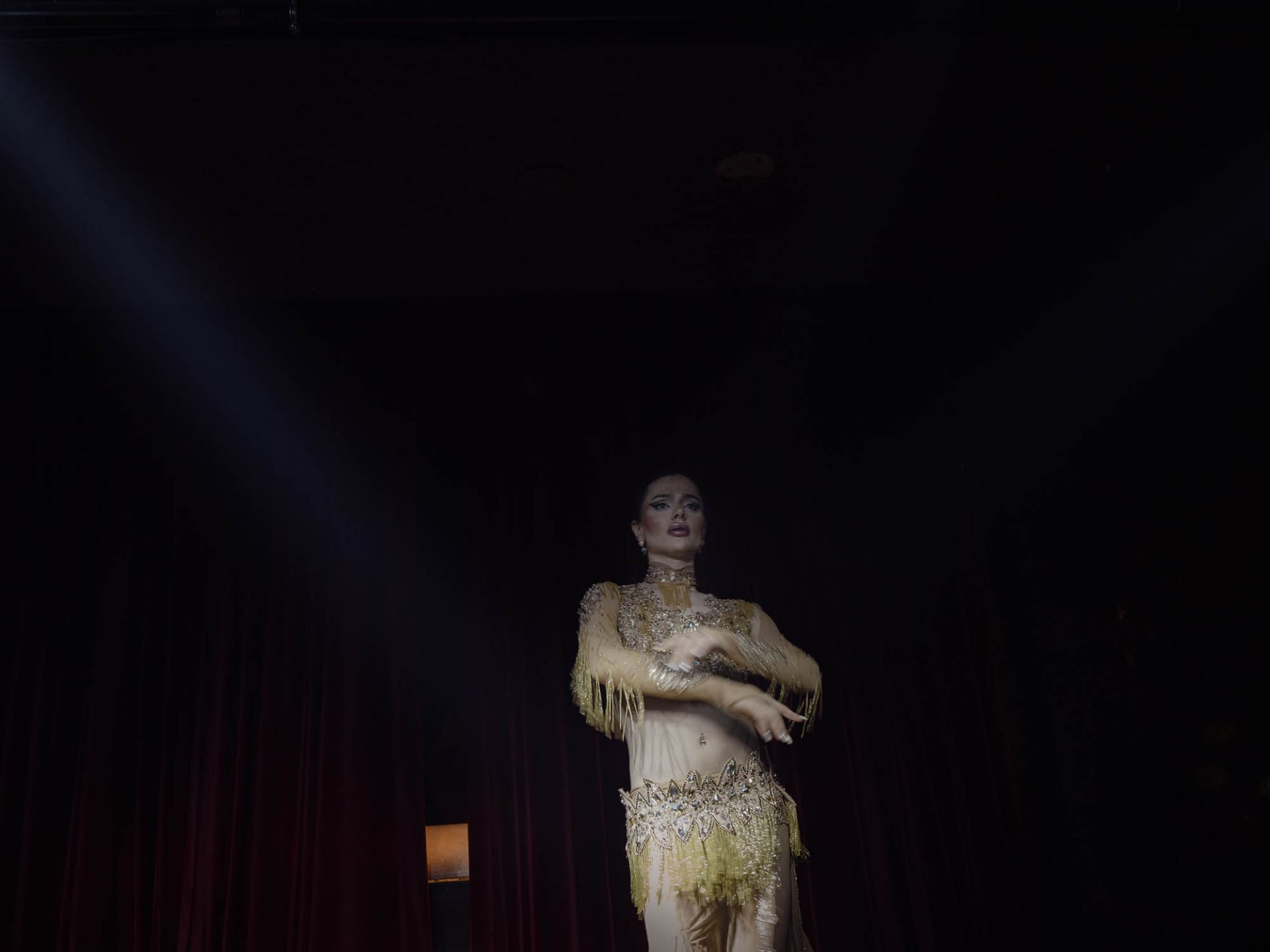
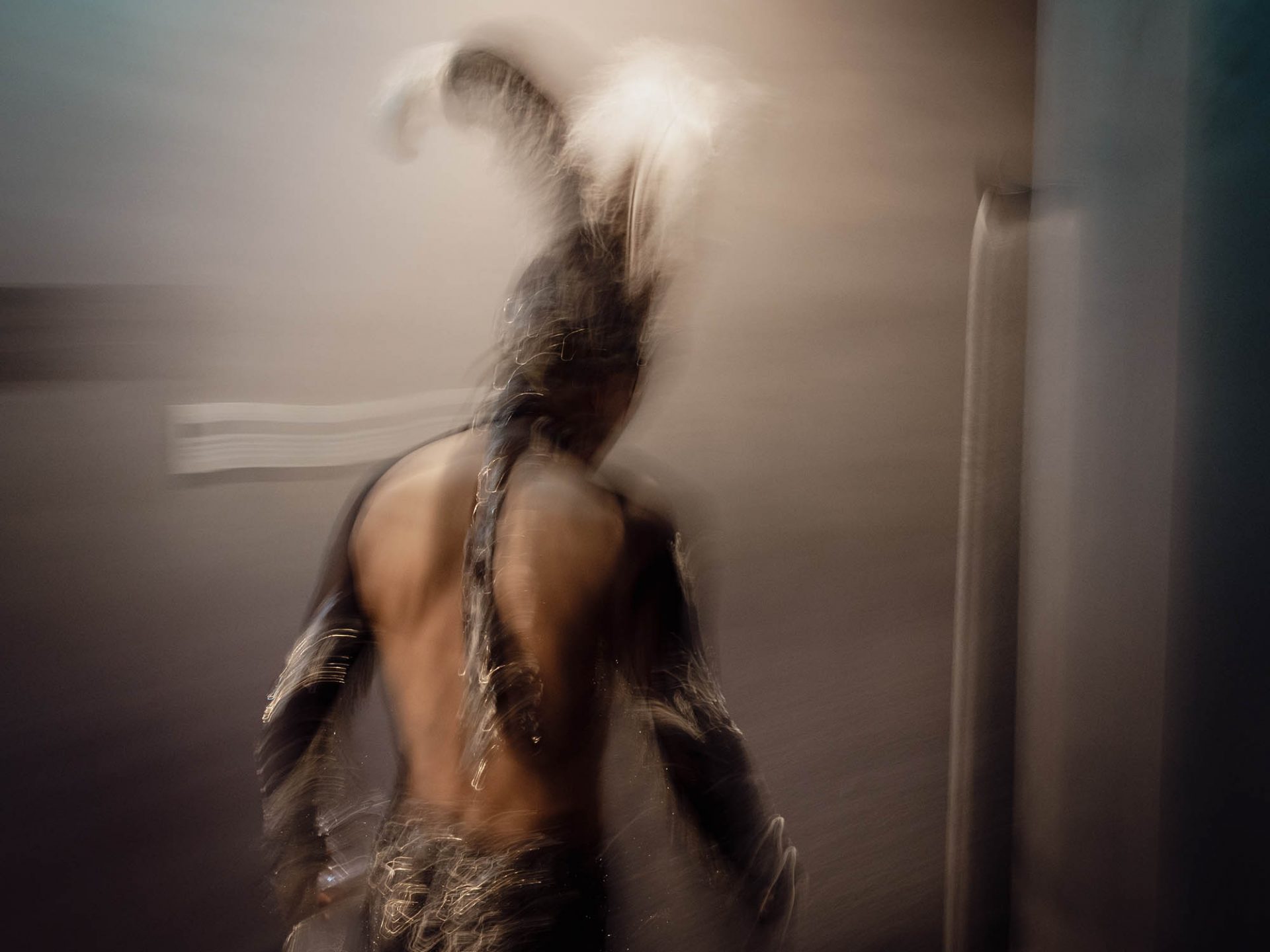
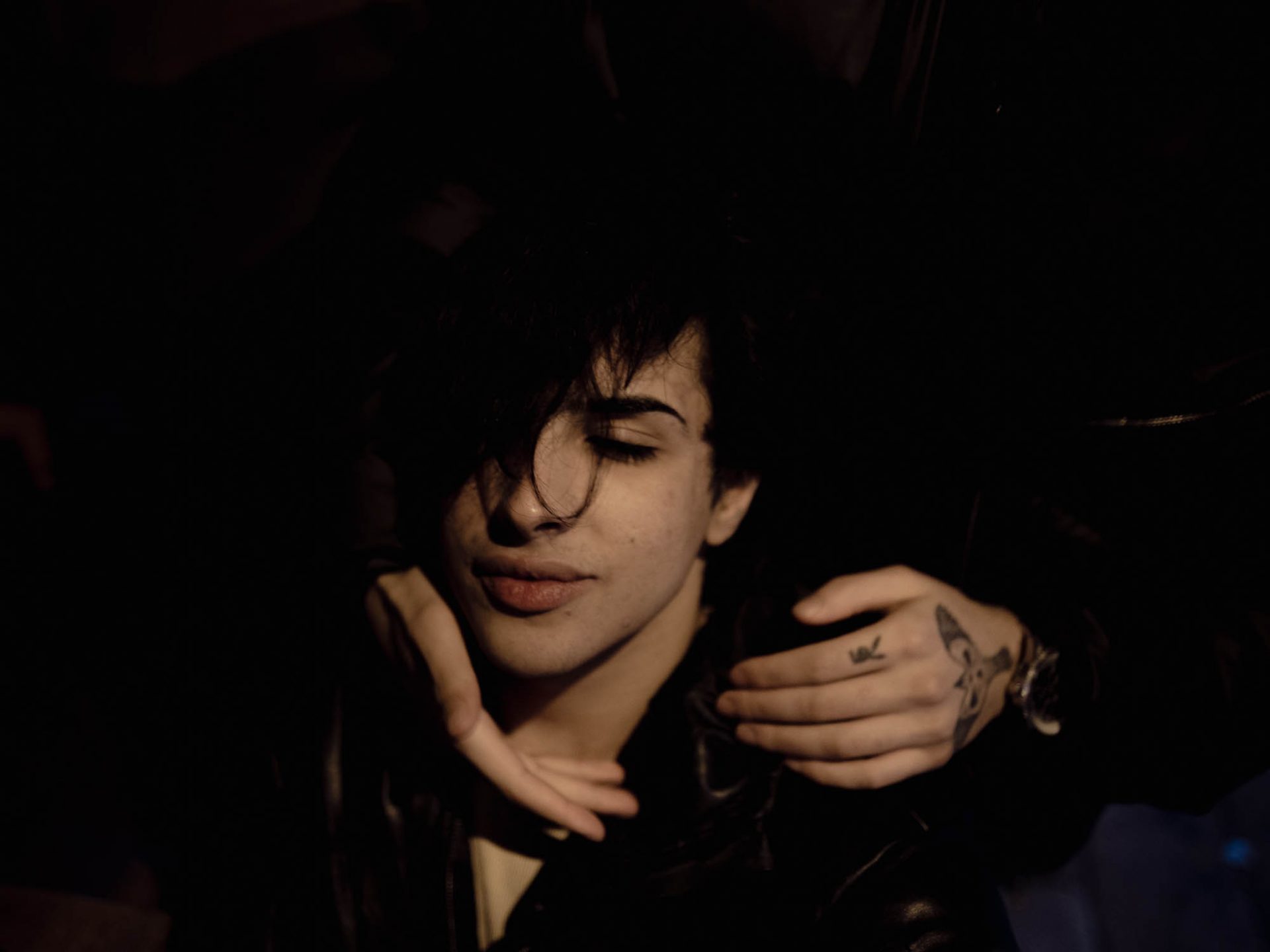
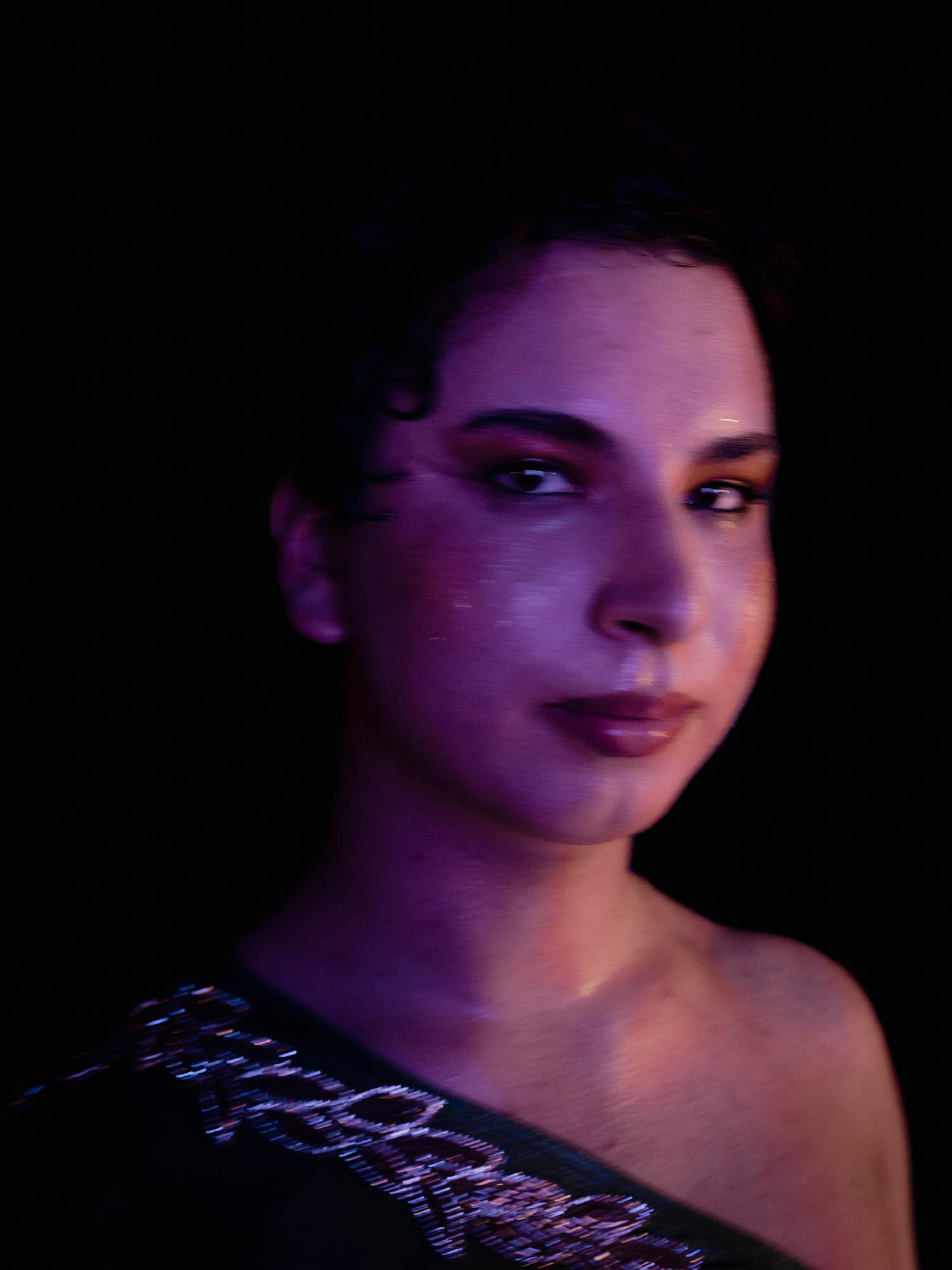
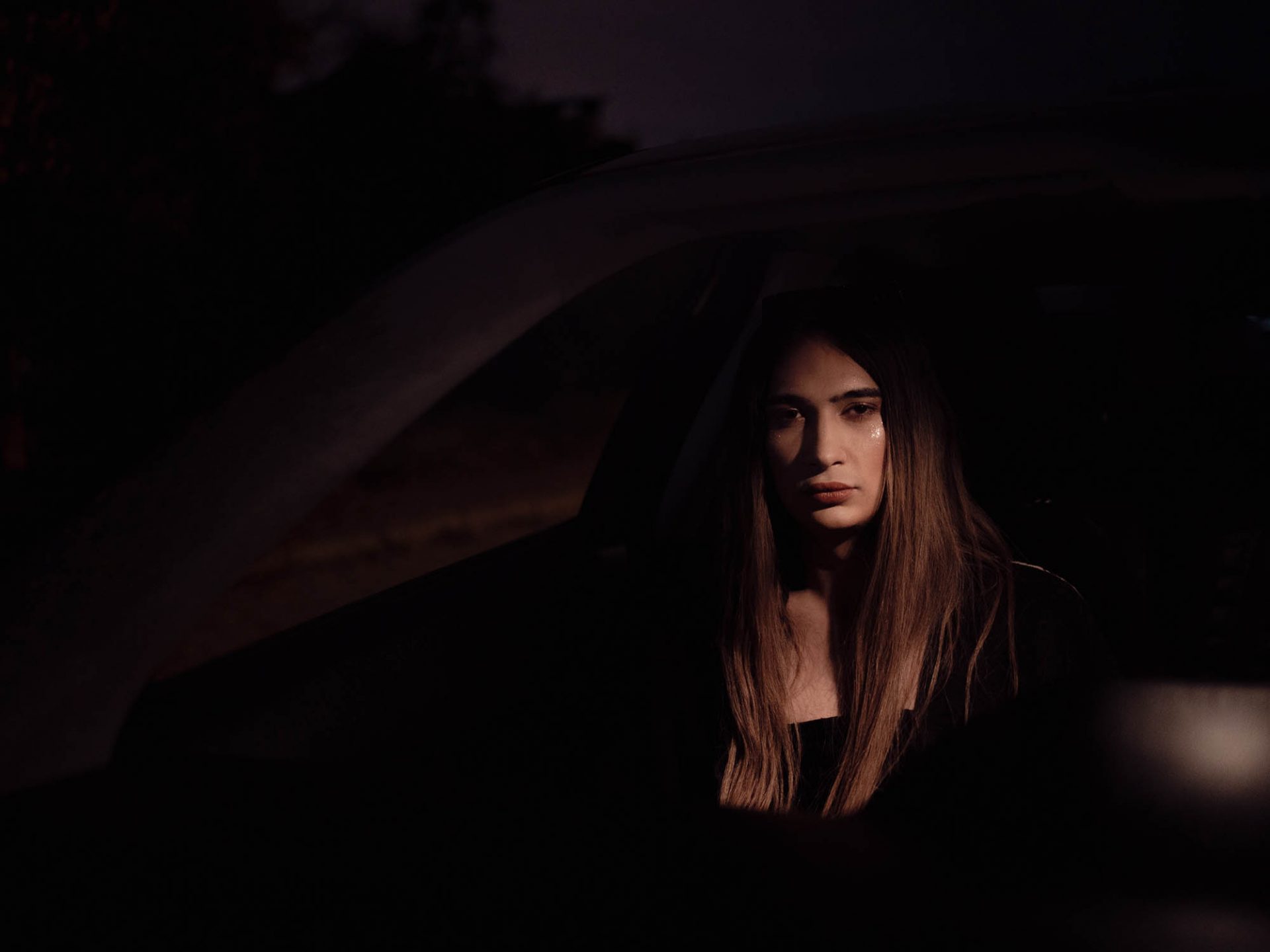
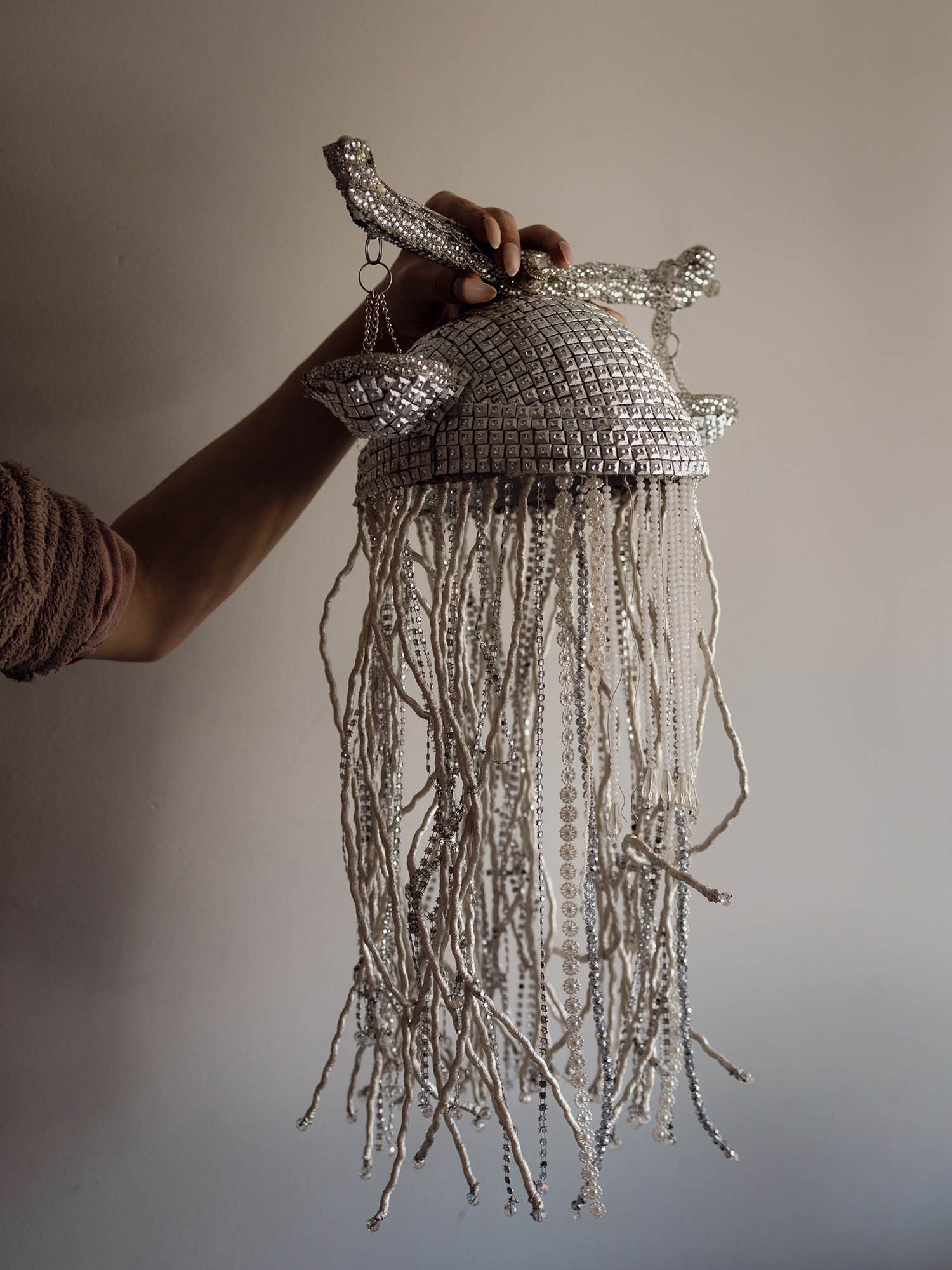
Over the past decade, however, the zenne tradition has re-emerged, despite the Turkish government’s hostility towards LGBTQ+ people. Zahmer, Uzay, Emirhan, and others perform in clubs and meyhane* across Istanbul and Ankara. Loving to be applauded and admired, they feel at home on stage, free to be themselves. Their dance reflects a way of fully inhabiting one’s identity, beyond the constraints of social expectations. Without making explicit political claims, their very presence raises questions. Blurring the boundaries between masculine and feminine, tradition and modernity, the zenne embody, in their own way, a more fluid and open possible future—one in which everyone can find a place beyond rigid social assignments.
*meyhane: a traditional Turkish restaurant where mezze and rakı are enjoyed in a convivial atmosphere.
Alongside the images in this series, I am interested in bringing together some of the stories I collected. Here are a few examples:
Emre, 18
Emre was thirteen when he first saw a zenne dancing in the restaurant where his mother worked. For the next five years, he dreamed of doing the same. The evening I meet him backstage in a meyhane, his excitement is palpable. Smiling and talkative, he speaks about his father, who has schizophrenia and whom he cares for; his mother, originally from Azerbaijan, who has returned there to live; and the ridicule he faced from his parents when, as a child, he told them he wanted to dance. For him, being a zenne allows him to express a femininity that male bodies are not usually permitted to reveal. The first time he performs, he is so happy that he never wants the moment to end.
“I’ve often faced negative reactions and insults because of my sexual orientation. The compliments I receive today while dancing help heal the wounds that society has inflicted on me.”
Zahmer, 22
The very first time Zahmer danced, he did it to help his boyfriend at the time, who had accumulated debts.
“I worked for four days and earned very little money. I told my boyfriend that I didn’t want to dance to pay off his debts anymore—I wanted to do it for myself, and I left him.”
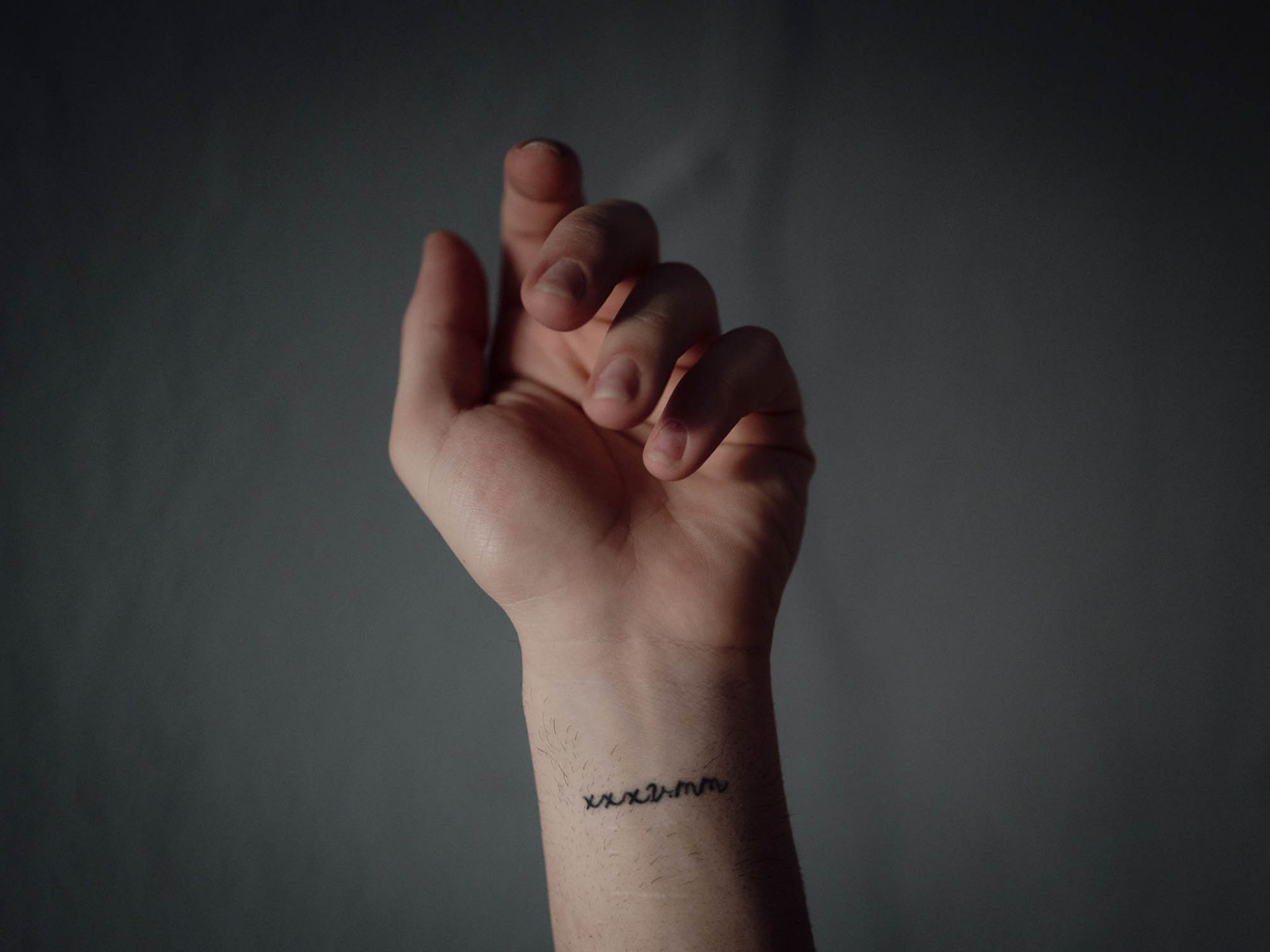
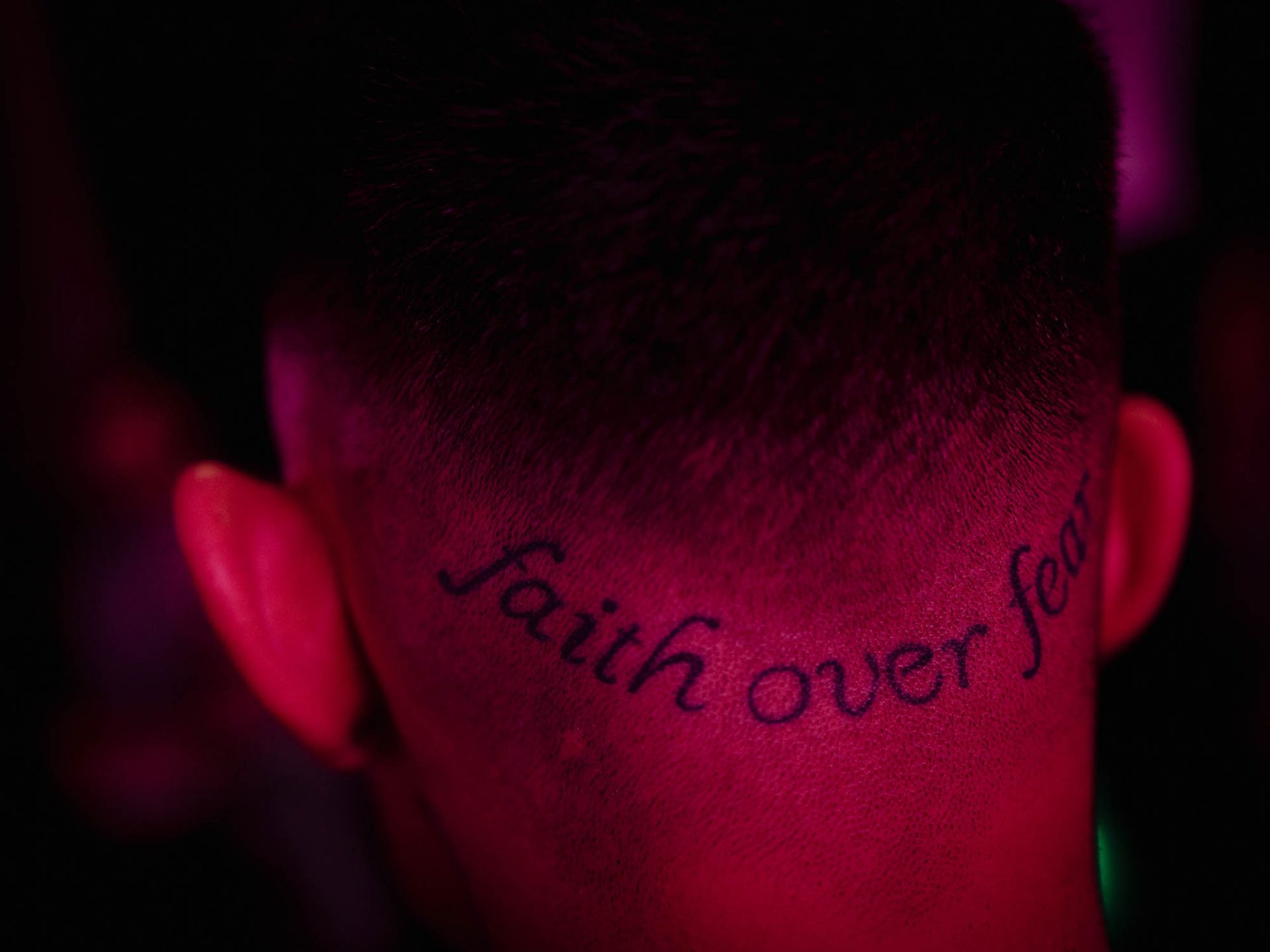
A few days later, his ex-boyfriend took his own life. The tattoo on Zahmer’s wrist marks his birthday. For a year, his parents were unaware that he was dancing. One day, when they needed money, he offered to help them. When they learned where the money came from, they disapproved. Yet as their financial difficulties continued, they eventually accepted the situation.
“My mother told me: don’t do bad things, don’t take drugs, don’t have sex.”
Zahmer’s family worries about what people will say, and arguments with his father are frequent. When I first meet him, he has just left the family home and is staying with a friend.
Emirhan, 20
“It was my dream to dance. I love being on stage and having all eyes on me.”
At weekends, Emir performs in a gay bar just a few streets from his home. His boyfriend, with whom he shares a small studio apartment in the working-class district of Tarlabaşı, sometimes accompanies him. Once the performance is over, the young couple settles into a café; Emirhan shares videos from the evening on Instagram while his boyfriend keeps track of comments and new followers.
Originally from Syria, Emir arrived in Istanbul at the age of ten. His family knows what he does, but they do not approve.
“They asked the hoca (local religious leader) what religion said about my situation and what they should do with me. He told them they could kill me. In the end, they told me: you can dance, but don’t forget Allah.”
Segah, 37
Segah was sixteen when he danced for the first time, wearing nothing but a coin belt around his hips. Coming from a Romani family, he explains that dancing and playing music are part of his culture. Yet when his parents discovered he was a zenne after seeing him on television, they begged him to stop, telling him it was morally shameful.
His father did not speak to him for three years, but eventually things improved.
“Now he proudly says that I’m a dancer, without mentioning that I’m a zenne—but that’s already something. Sometimes we even work together at weddings: he plays the darbuka, I dance, and at the end of the performance we applaud each other.”
“I’m a man with a beard, yet I move my hips like a belly dancer. It surprises people, but they usually enjoy the show. Unfortunately, while people in the meyhane have fun, applaud us, and give us money, they can behave very differently outside. Once we are in their environment, insults come easily.”
Asaf, 25
When I meet Asaf in 2024, he is just beginning his career as a zenne and performs on weekends in a gay bar in Beyoğlu. There are only a handful of customers, and he asks me whether he dances well.
Two years later, he has gained confidence and now performs every evening in a packed meyhane. He has left his job as a medical secretary at a hospital and no longer wears the pearl mask that once allowed him to avoid being recognised.
“When I dance for people, I entertain them, and for a moment they forget their worries. Making them happy makes me happy. As a zenne, I’m also proud to set an example by showing people that yes, men can perform oriental dance too.
I’m gay and I dance freely, but not everyone likes that. One day, a customer looked at me and exclaimed, ‘Look what Turkey has become!’
Smiling, I replied: ‘Turkey is beautiful like this.’”
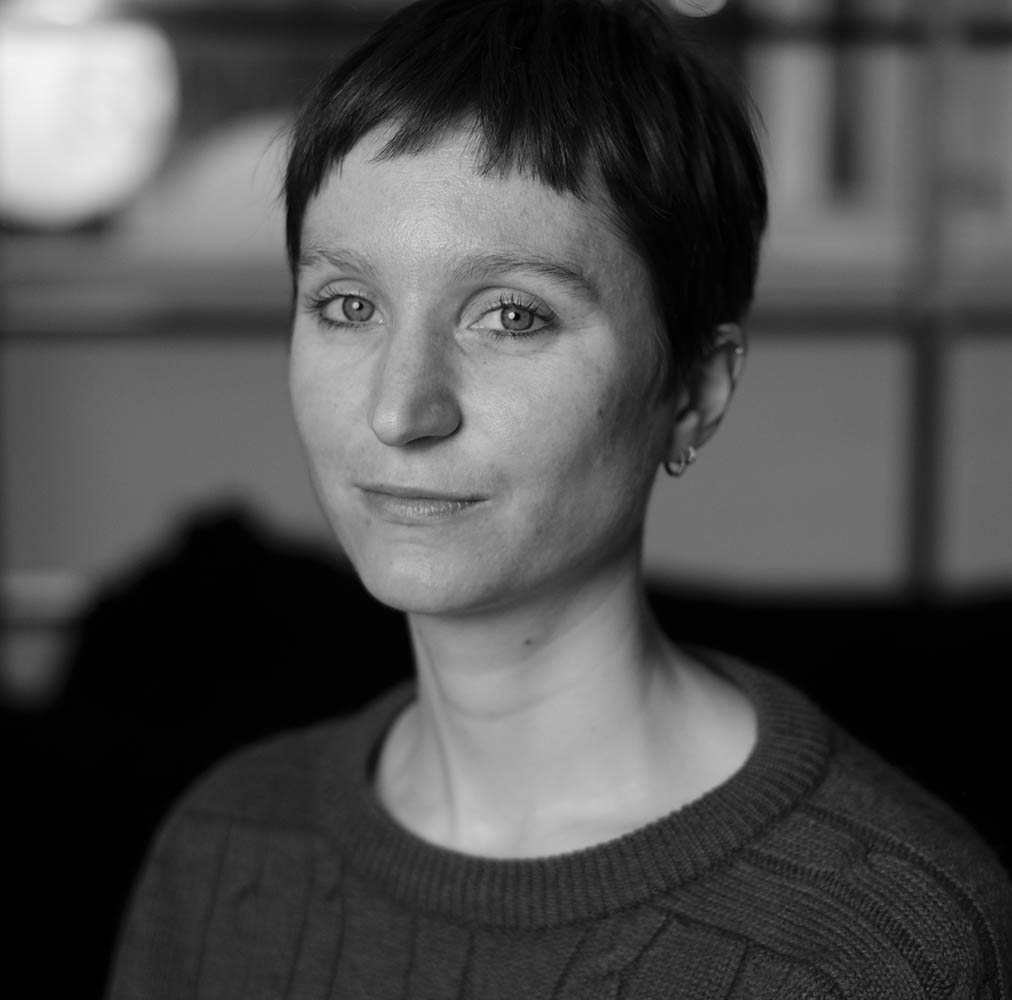
Independent photographer based in Lille. After studying political science, I worked as a freelance journalist for nearly ten years before training in documentary photography at EMI-CFD in 2023. I develop documentary projects in the Hauts-de-France region and publish portrait work in the press.
In 2023, I received support from the regional PRAC 3.0 programme for my project on male majorettes. This work was exhibited during the Month of Photography in Bordeaux and published in the collective book Être 20 ans. In 2024, I was awarded an Individual Creation Grant from the DRAC for a project on sex workers entitled Pleasure. Following an artist residency with Galerie Destin Sensible (Mons-en-Barœul), I exhibited Bye-bye Macadam in October 2025. As an extension of this residency, I led workshops with young people on the theme of eco-anxiety through the Entre les Images programme (Diagonal Network). The resulting project, Réenchanté.es, was exhibited at Galerie Destin Sensible in April 2026.
Alongside these projects, I continue to travel regularly to Turkey, where I am developing a long-term body of work on the zenne—male belly dancers. This series was exhibited at La Grange aux Belles in Paris in April 2026. In April 2027, my project on the youth of the former mining basin, Black Paradise, will be exhibited at the Maison Syndicale de Lens in partnership with CRP/.
The work I develop is shaped by questions of norms, social constraints, life choices, and freedom. Through my projects, I seek to make visible lives lived on the margins of society, beyond the expectations and conventions that guide—and sometimes restrict—our choices. These lives interest me because they reveal alternative possibilities and ways of being. The subjects I explore and the people I meet continually challenge and teach me, and through my images I hope to spark reactions and encourage reflection.
My approach, both documentary and intimate, is grounded in long-term immersion with the people I photograph. Portraiture occupies a central place in my practice: I value this face-to-face encounter, which creates an intimate space, however brief, between photographer and subject. I am also drawn to what Hervé Guibert described as a “state of solitude”—a moment of surrender and openness before the camera.
What drives me equally is the dialogue between images and the stories I collect. Giving people a voice is an essential gesture, rooted in the need to understand and to bear witness. Every encounter is accompanied by moments of conversation and exchange. Listening to individual stories, hearing what people have to say, is indispensable to grasping what lies beyond the frame of the image.