
Bourse du Talent 2026 : Fiora Garenzi
Nanna strana

Nanna strana
Nanna strana
Nanna strana
Nanna strana
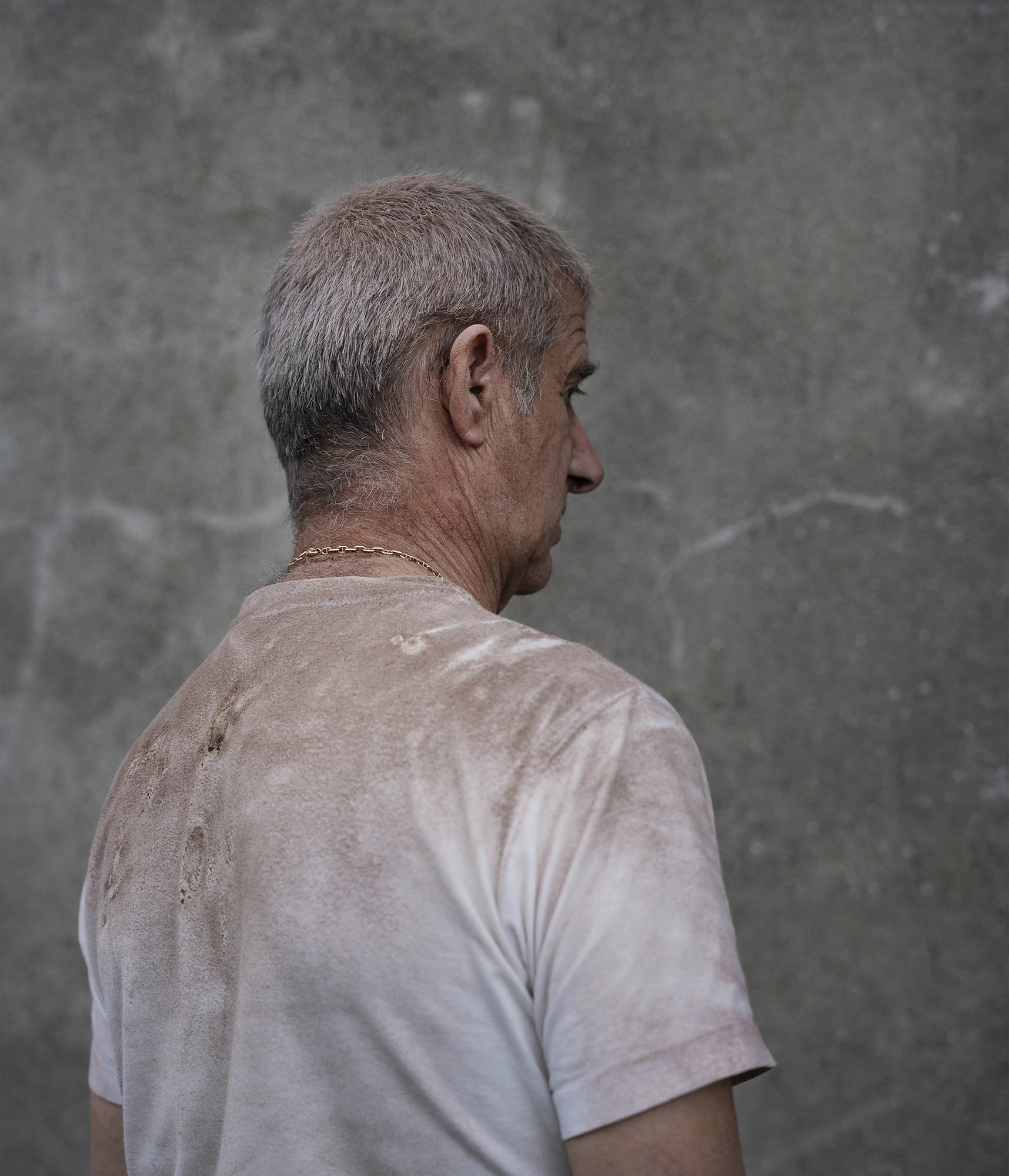
Nanna strana
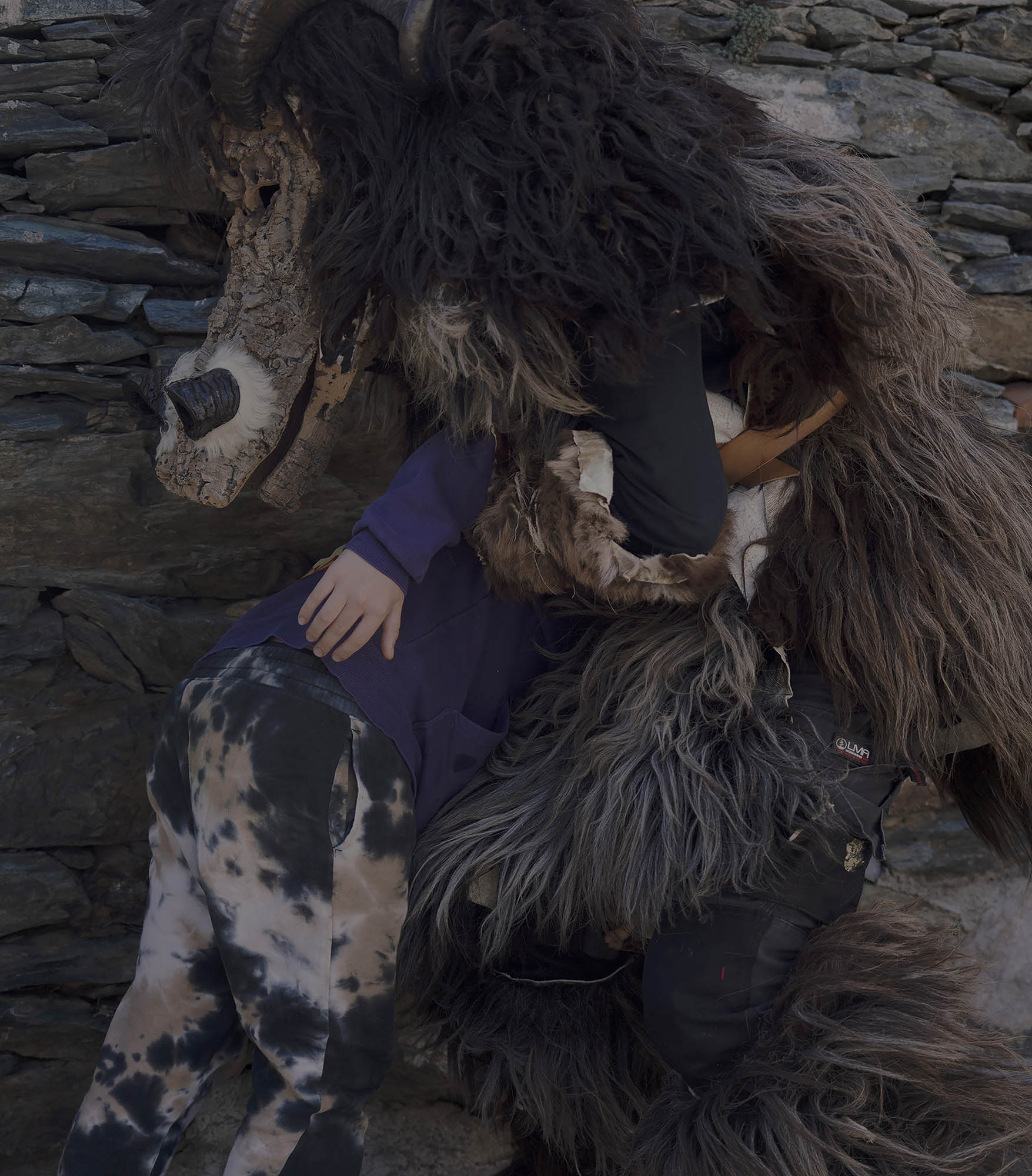
Nanna strana
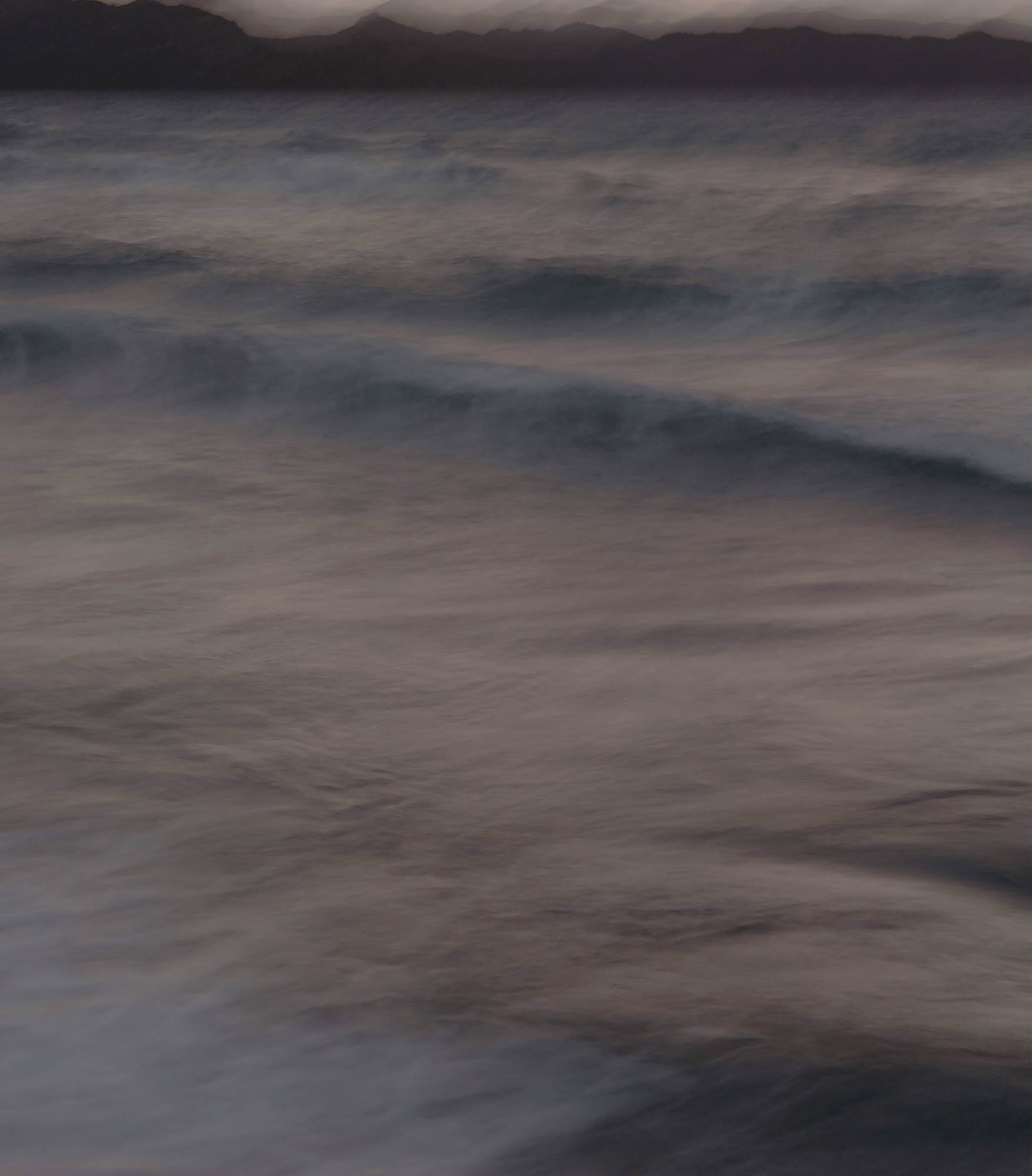
Nanna strana
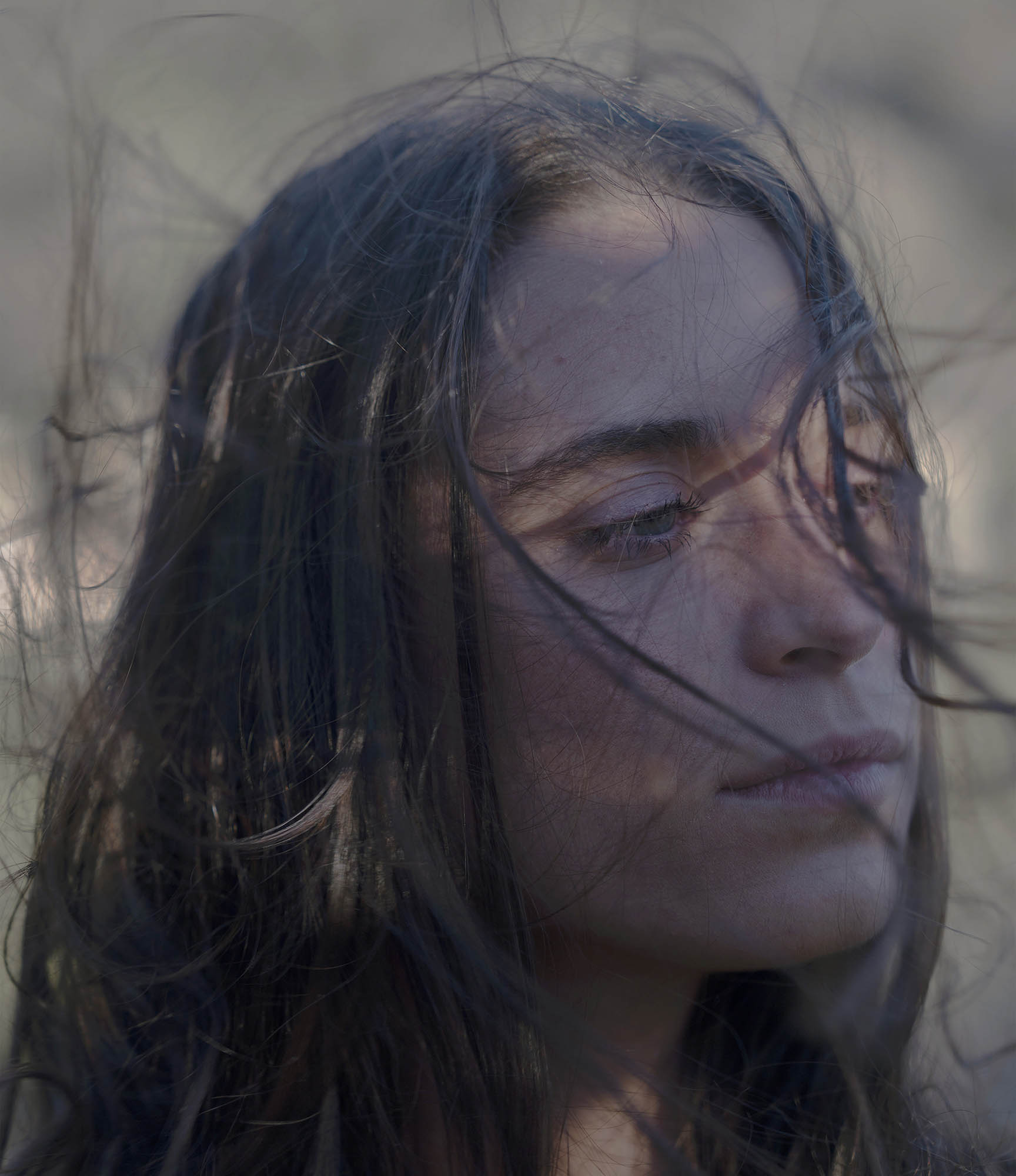
Nanna strana
Nanna strana
Nanna strana
Nanna strana
Nanna strana
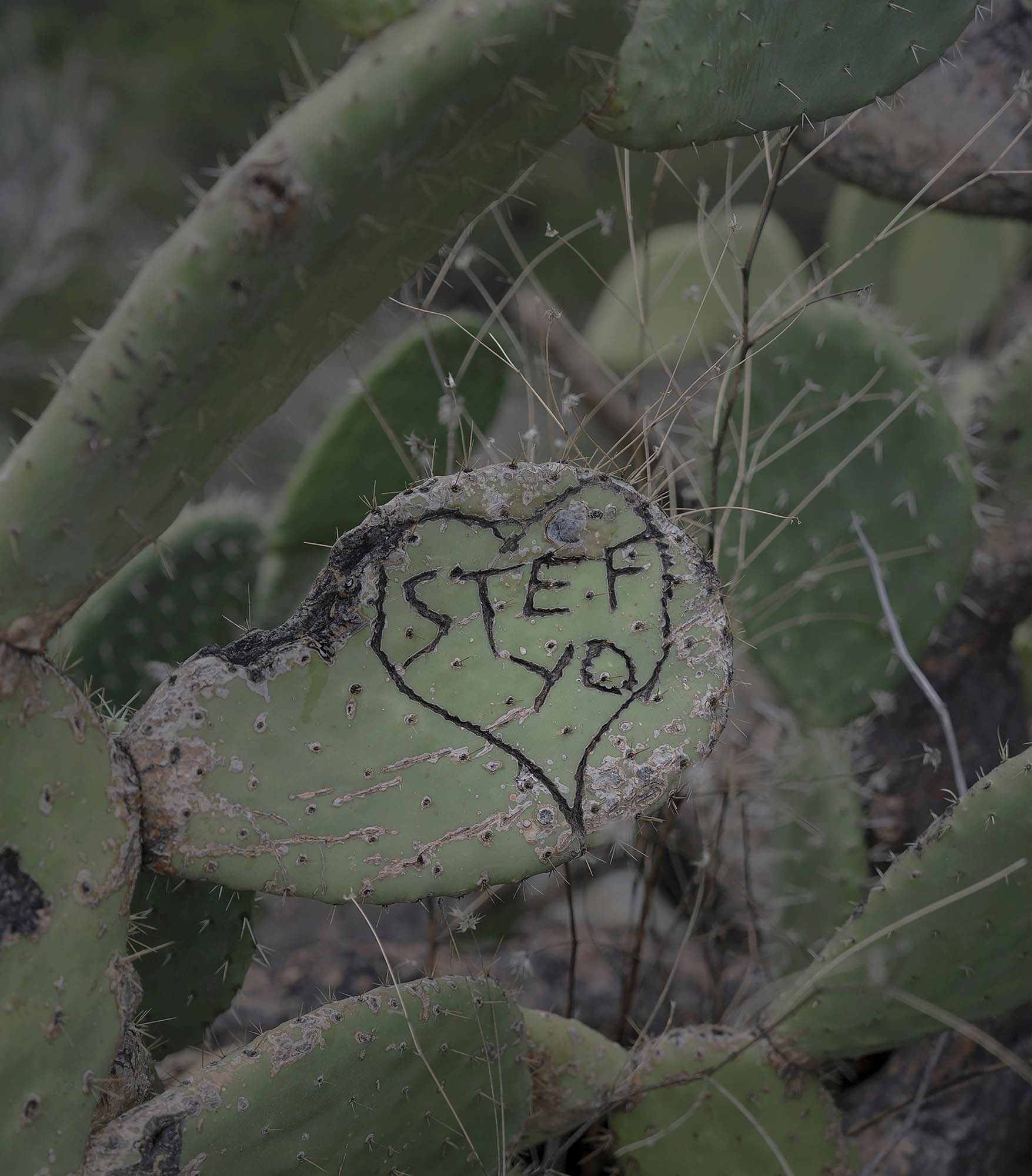
Nanna strana
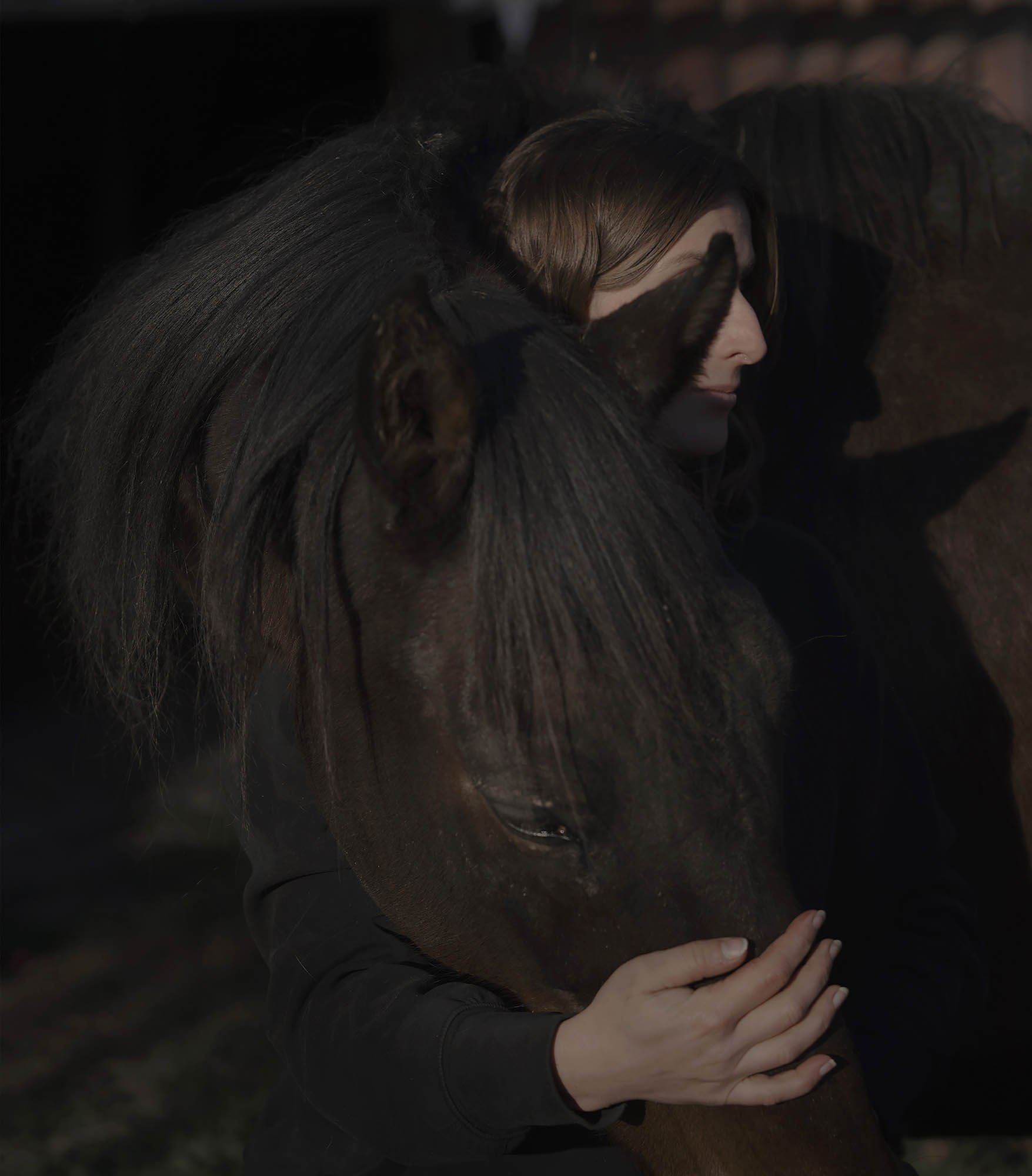
Nanna strana
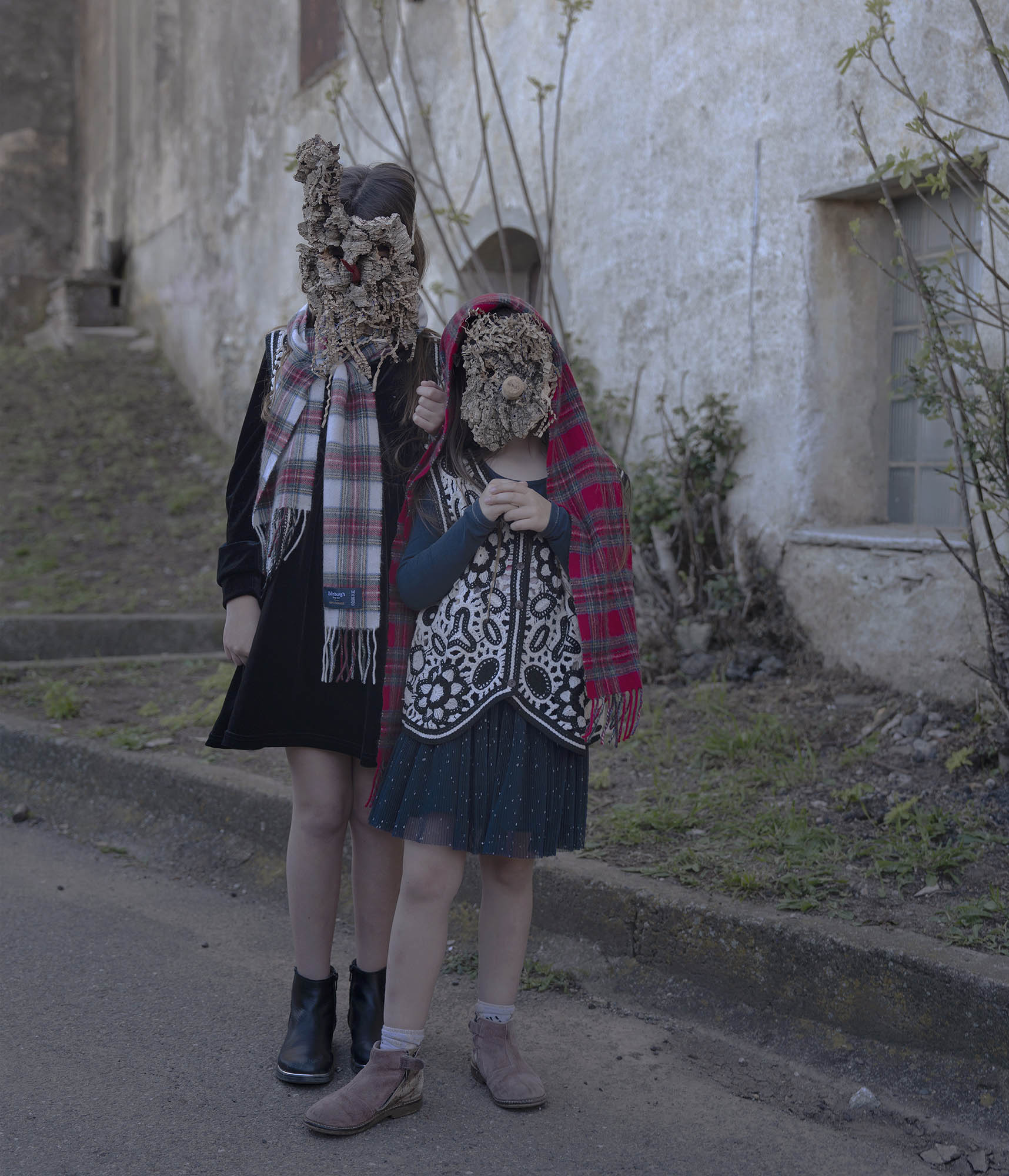
Nanna strana
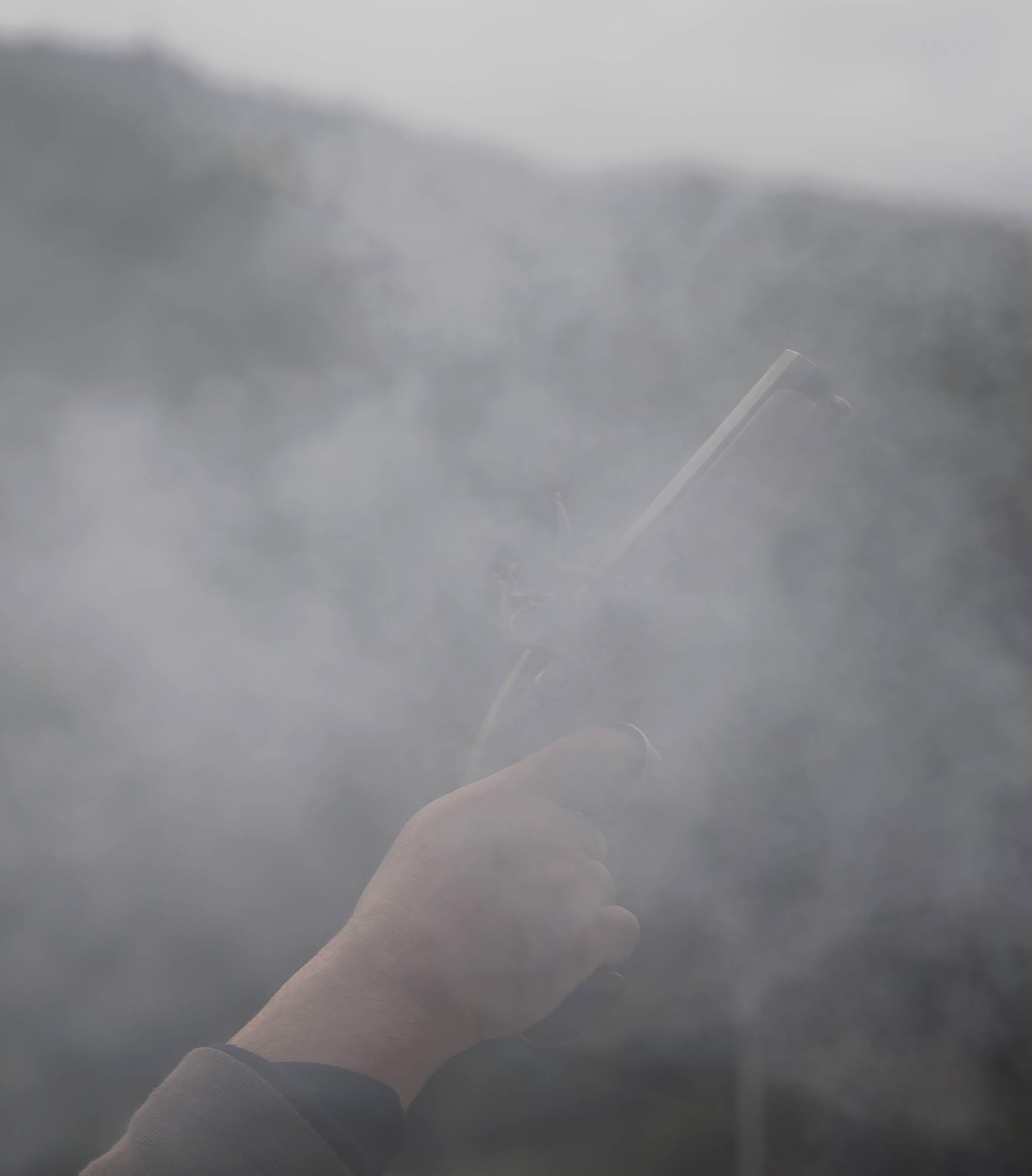
Nanna strana
GARENZI-FIORA_NANNA-STRANA_017
Nanna strana
Nanna strana
GARENZI-FIORA_NANNA-STRANA_020
Nanna strana
Nanna strana
Nanna strana
Nanna strana
Nanna strana
Nanna strana
Nanna strana
Scrolling is automatic, but you can use the arrows to navigate between images. Click on the image to switch to full screen mode.
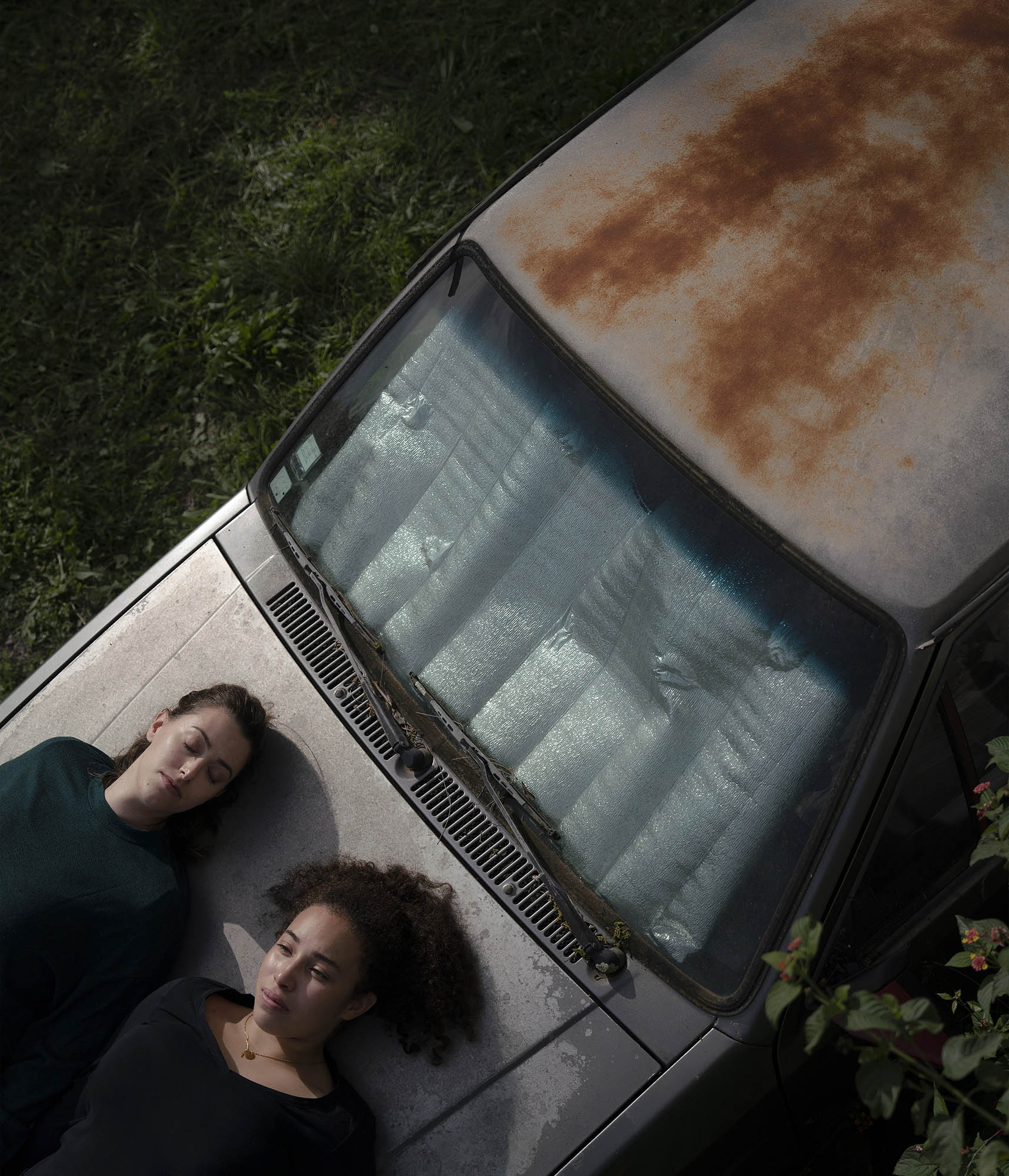
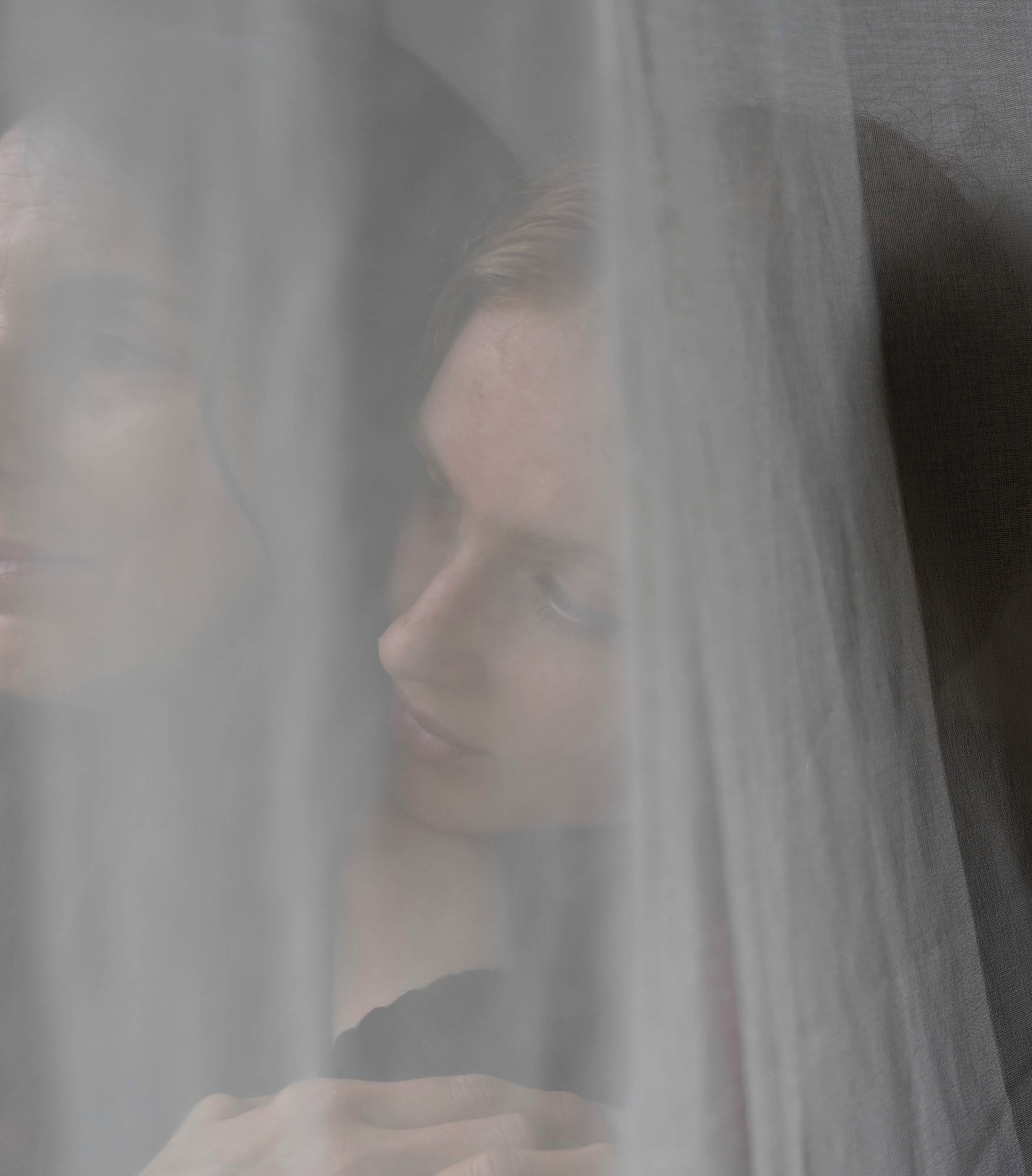
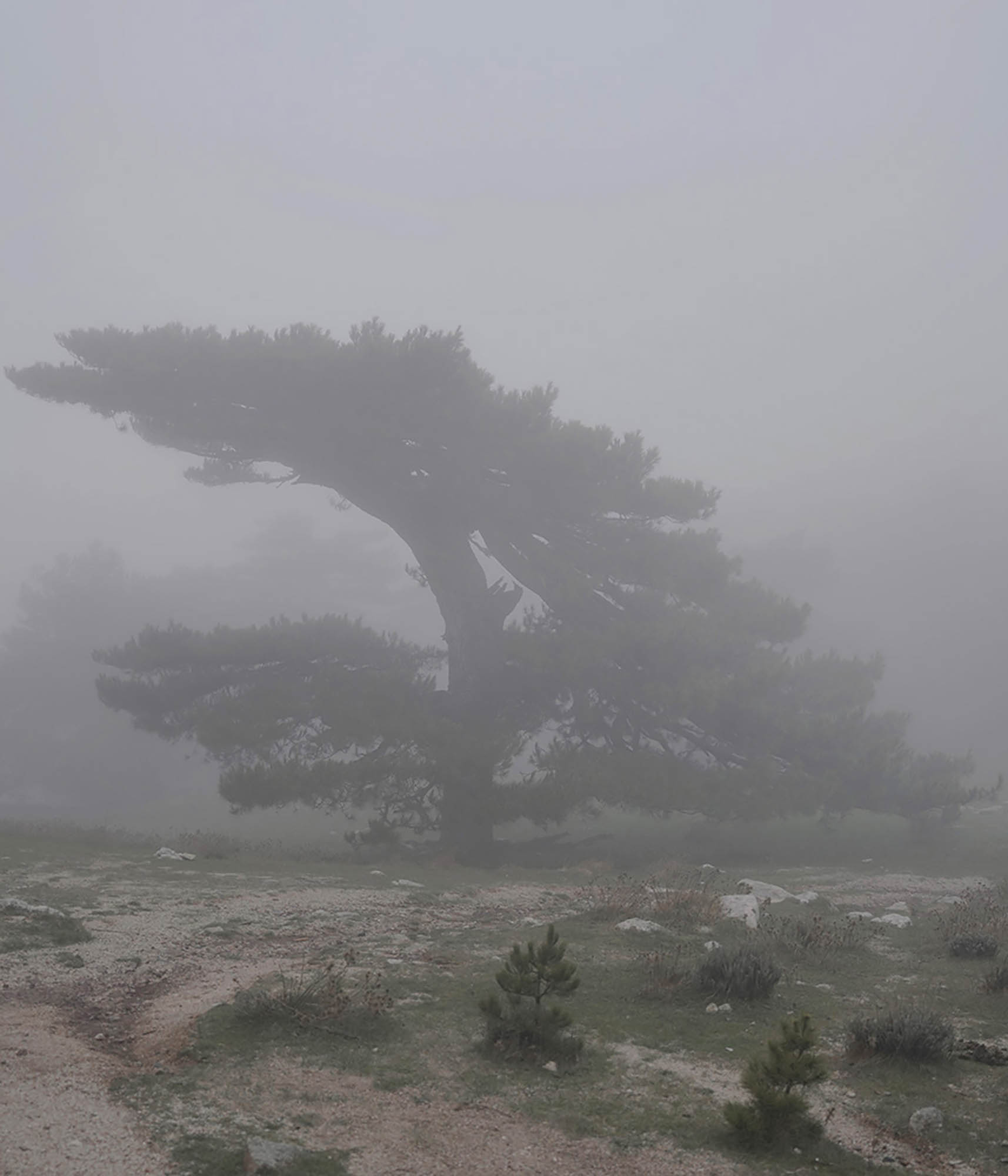
One day, my mother sat me in the back seat of the dark blue Peugeot 206 I had always known, with the dog at my feet, and the two of us set off on the road. We left the Paris suburbs behind, and at the end of the road we boarded a ferry and started all over again somewhere in the middle of the Mediterranean. Things were complicated then—everything was—and leaving for the sunshine was supposed to make them less so.
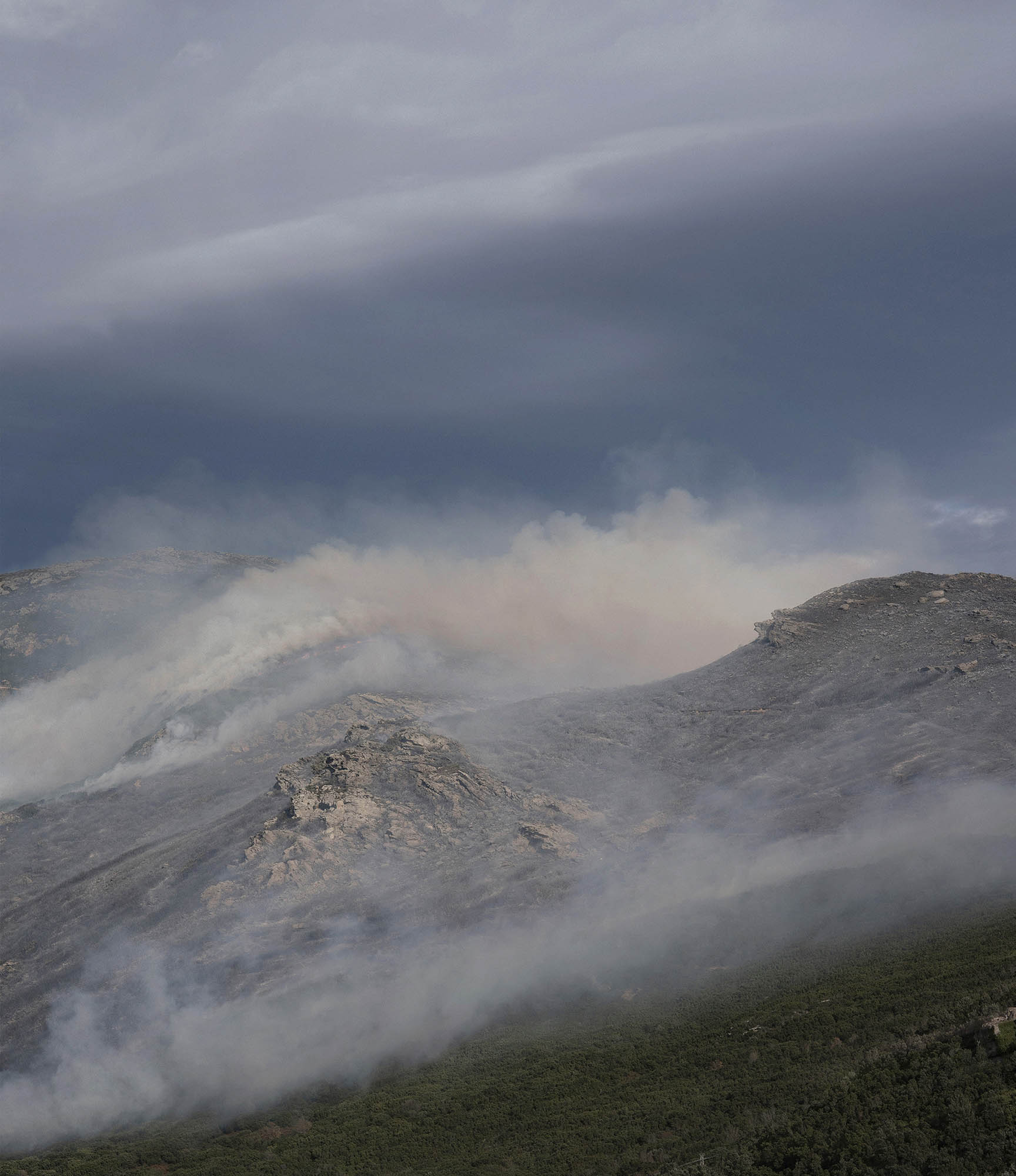
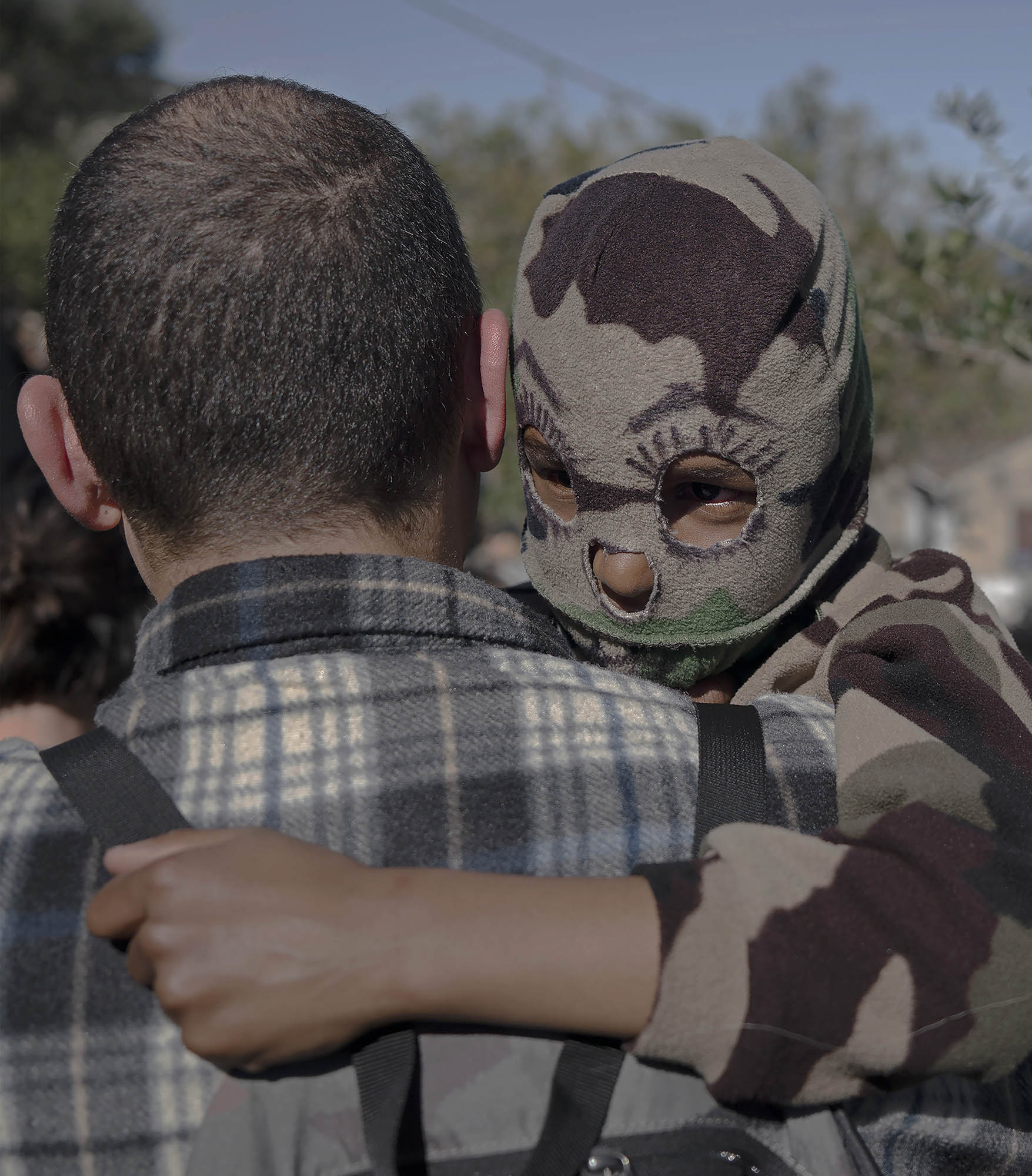
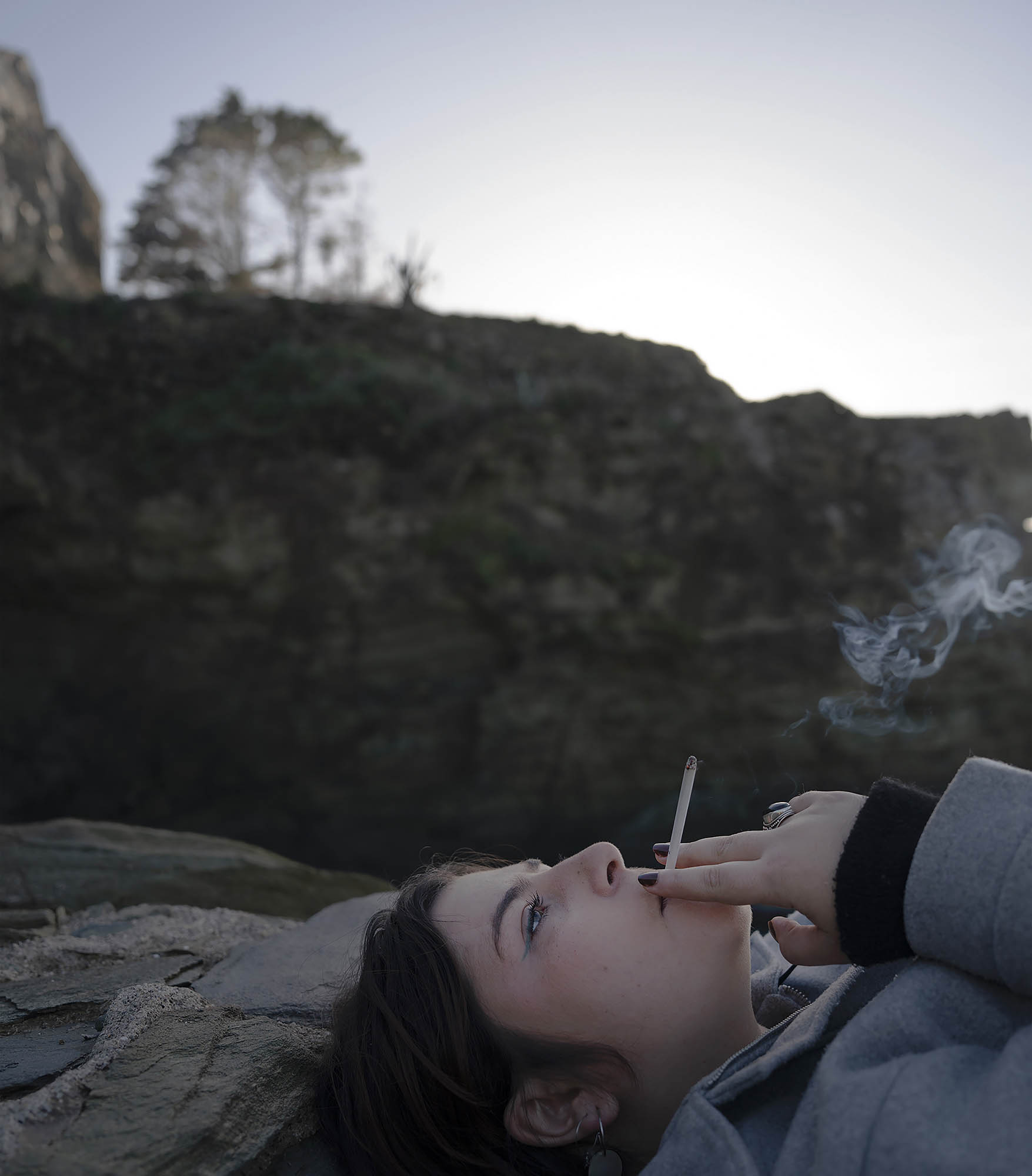
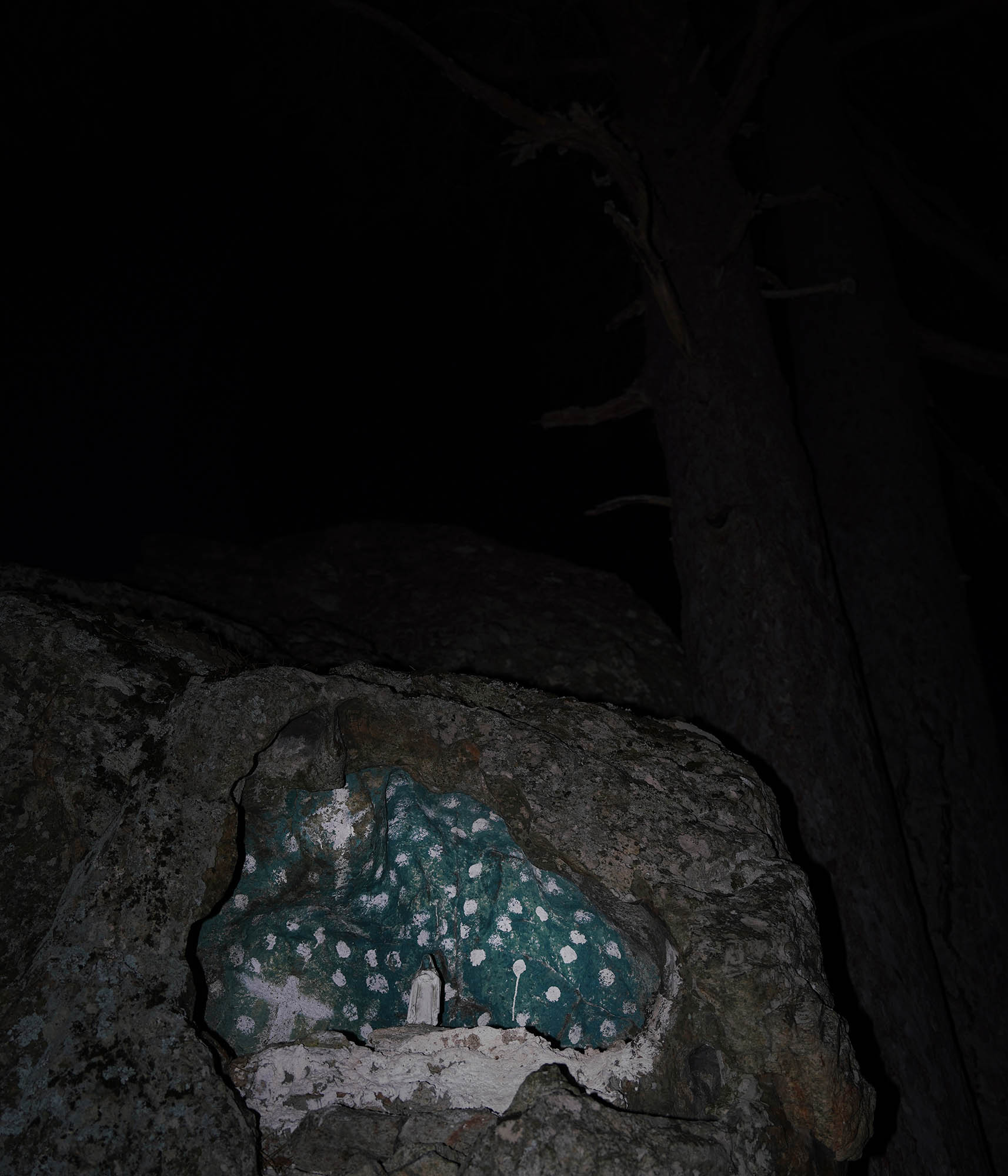
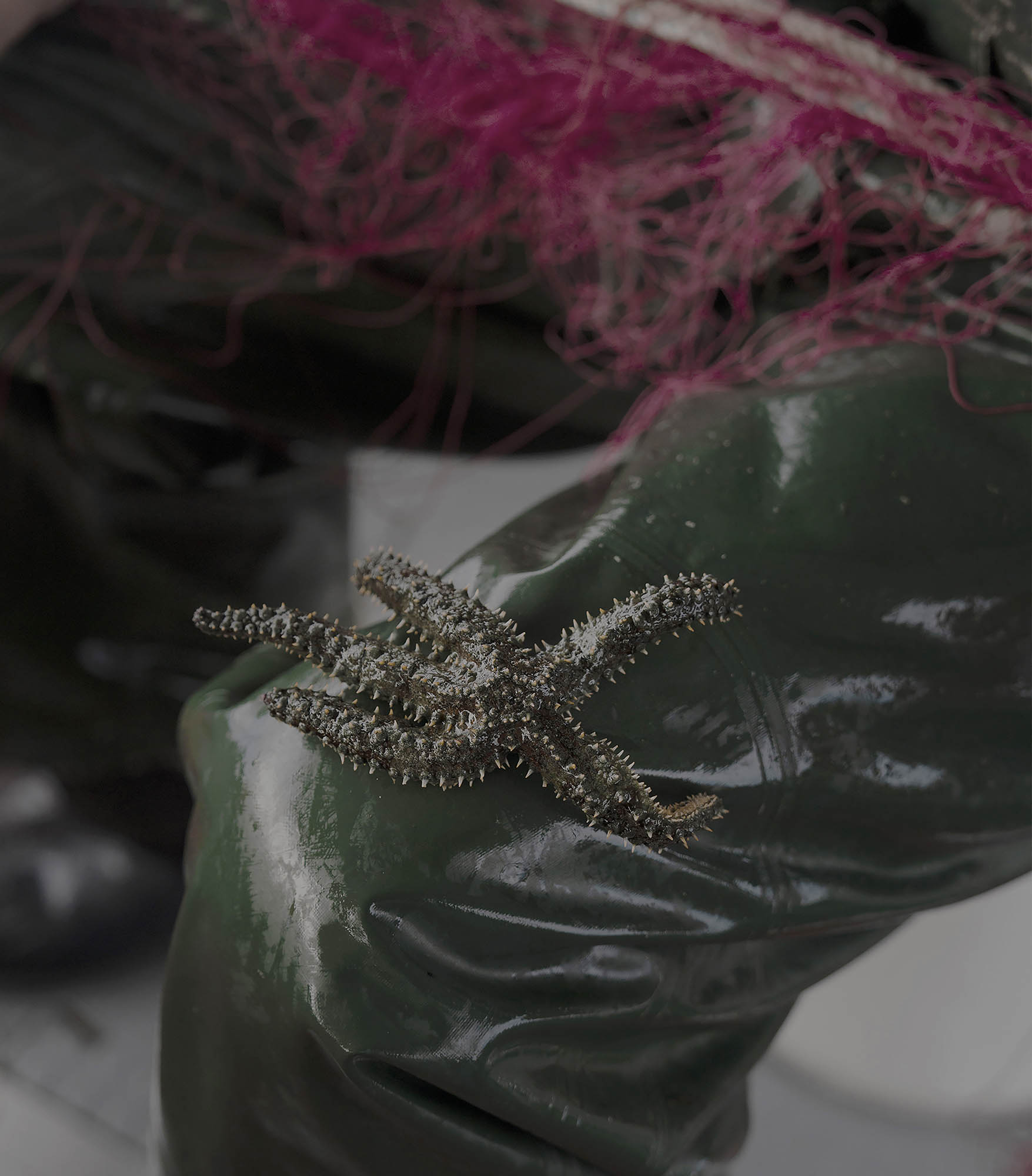
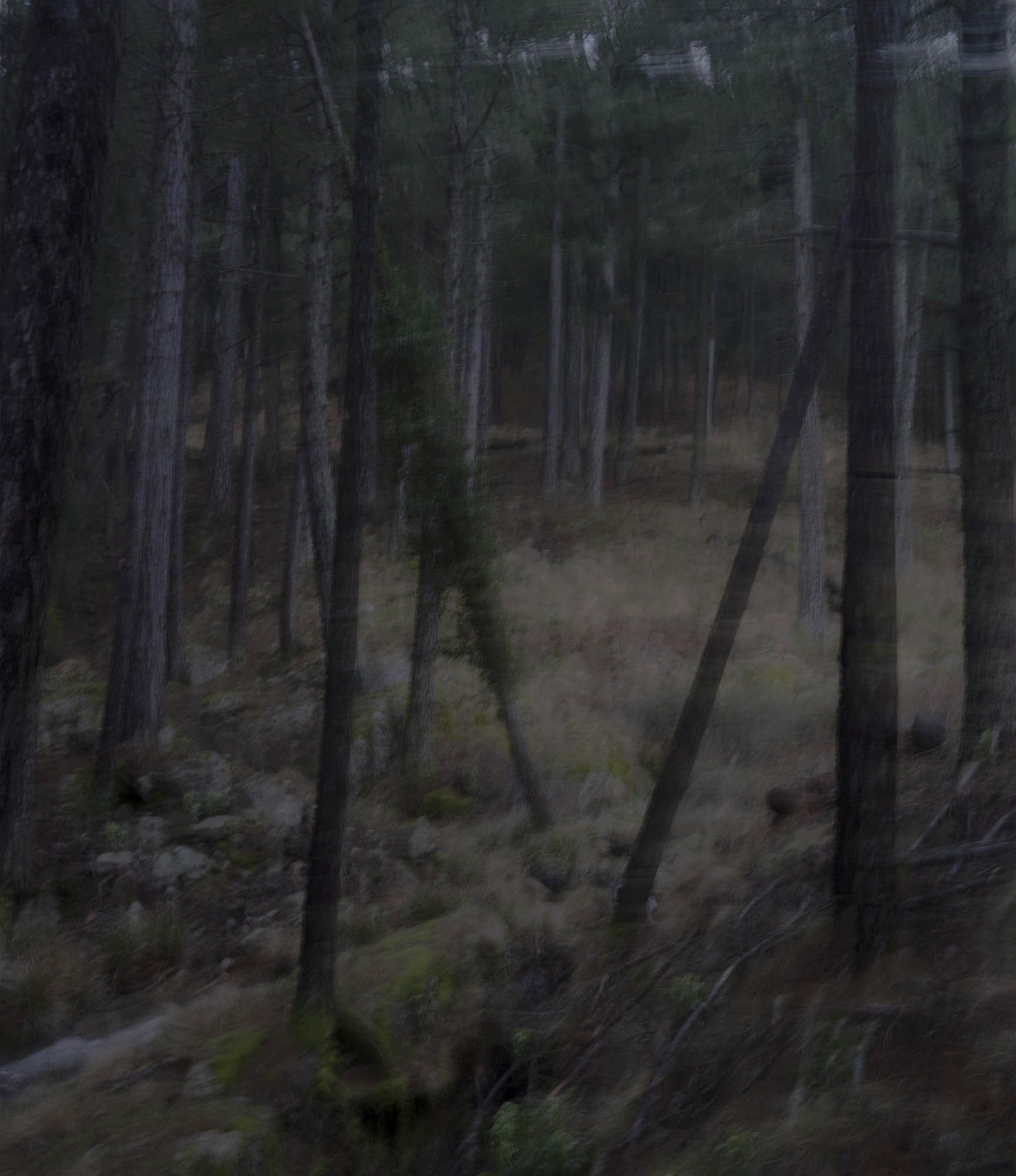
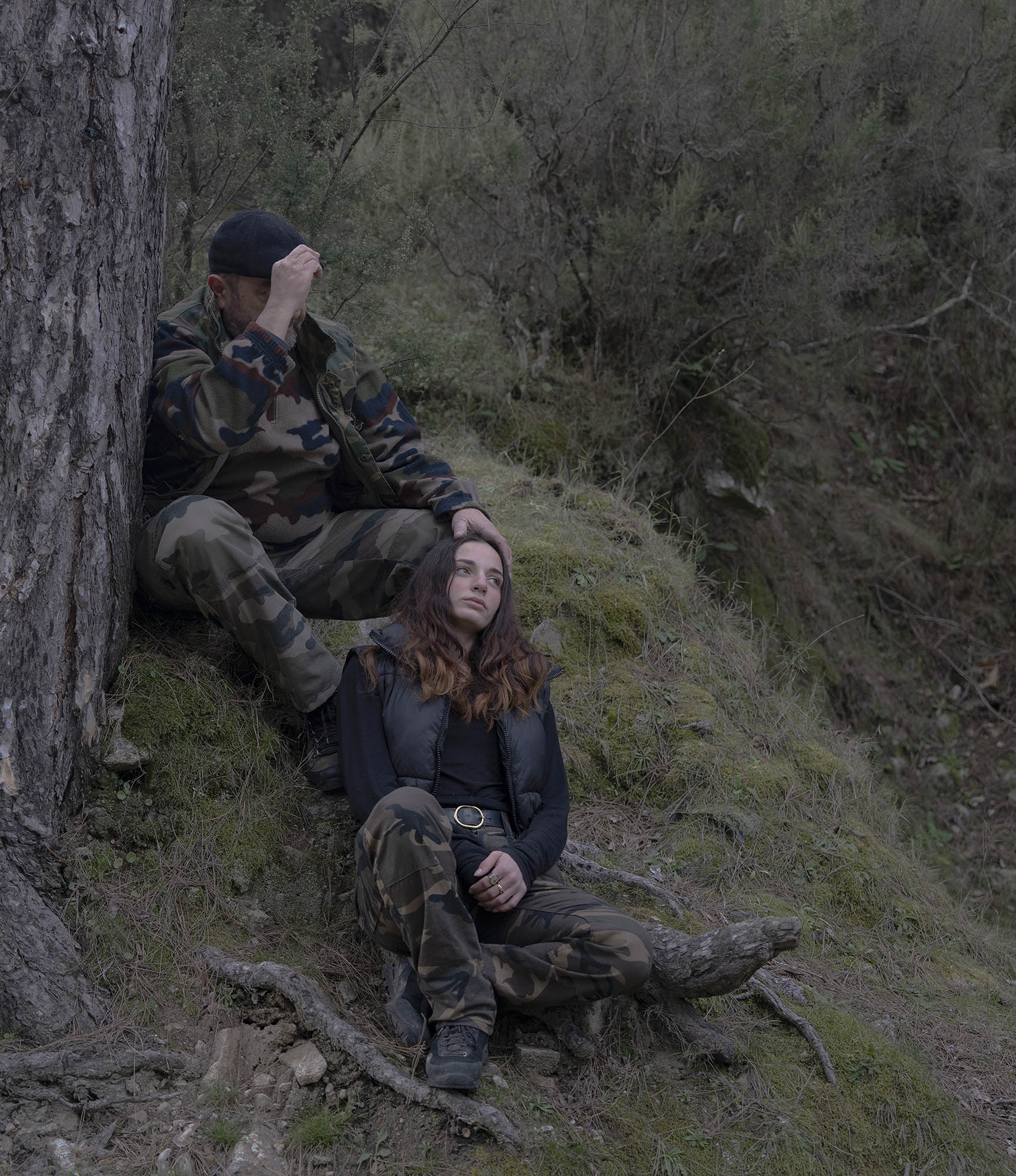
I grew up in a village in northern Corsica, at the southern edge of Cap Corse. I arrived on the island when I was eight years old and left when I turned eighteen, a large backpack on my back and a smaller one strapped across my chest. It is strange how everything we own can be reduced to so little. It took me a long time to want to come back.
I am not really sure what defines a home. Poets say it is people; others, more pragmatic, say it is four familiar walls and a roof. I have always struggled to feel at home in any of the places I have lived. And then one day, I felt the need to answer that question. I think it was because there were too many other unanswered questions crowding my mind. I needed to find an answer to at least one of them.
In Corsica, knowing who you are—where you belong, what story you come from—is, perhaps more than elsewhere, an essential part of how you are shaped. Family heritage is passed down from one generation to the next. People are deeply attached to their elders and to places.
When I was a teenager, my family was my mother, and family history was a painful subject. I felt that understanding its reasons would fill a void inside me. But in the end, when I finally knew, the void was still there.
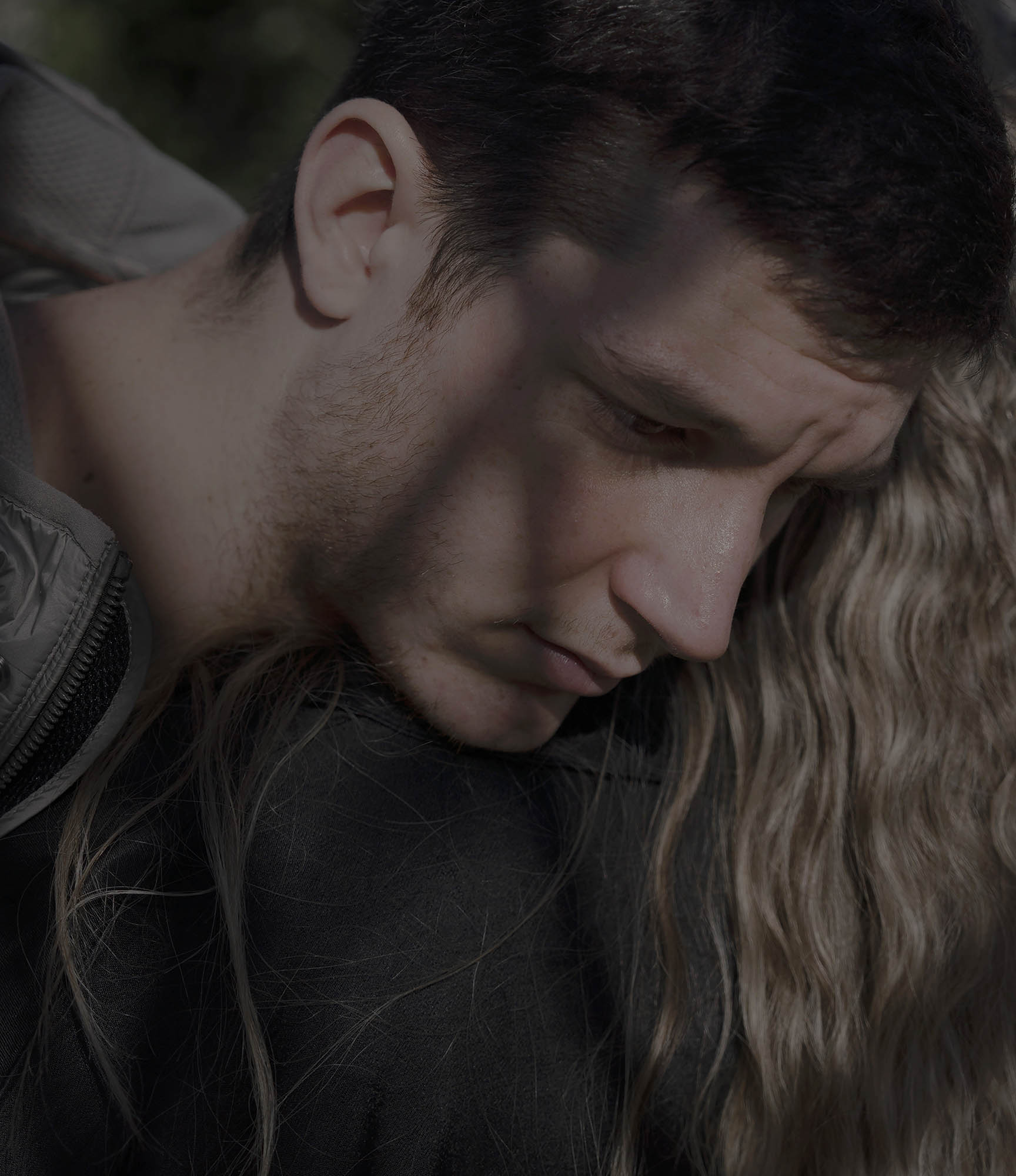
So I decided that “home” would be there, on that island. Not because I felt particularly at ease there, but simply because I could not remember any other place. I had no memories of before, and the years that followed had been spent with a backpack on my shoulders. So “home” had to be there. Besides, there were two people on the island who mattered to me, two reasons to return. That was enough.
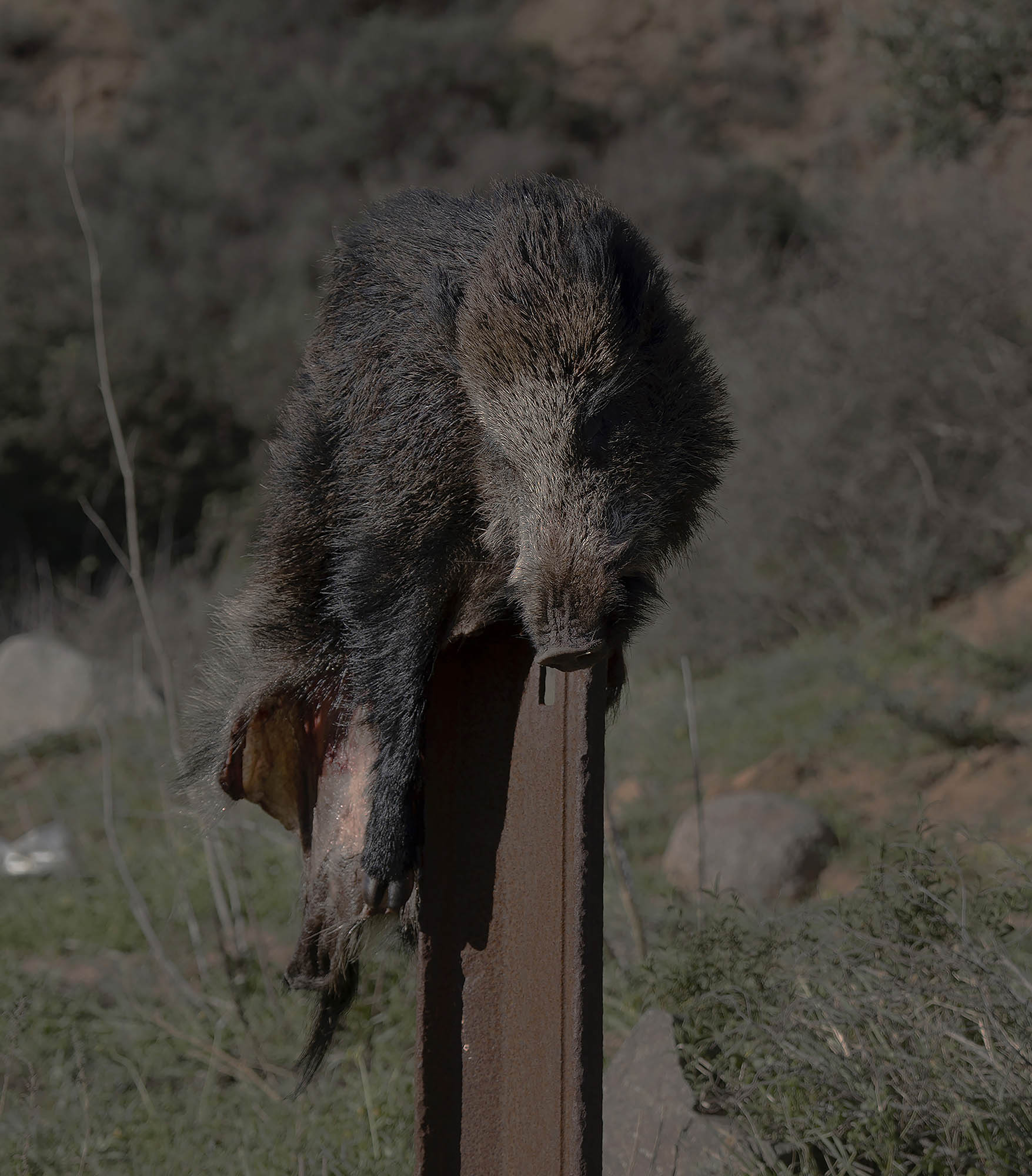
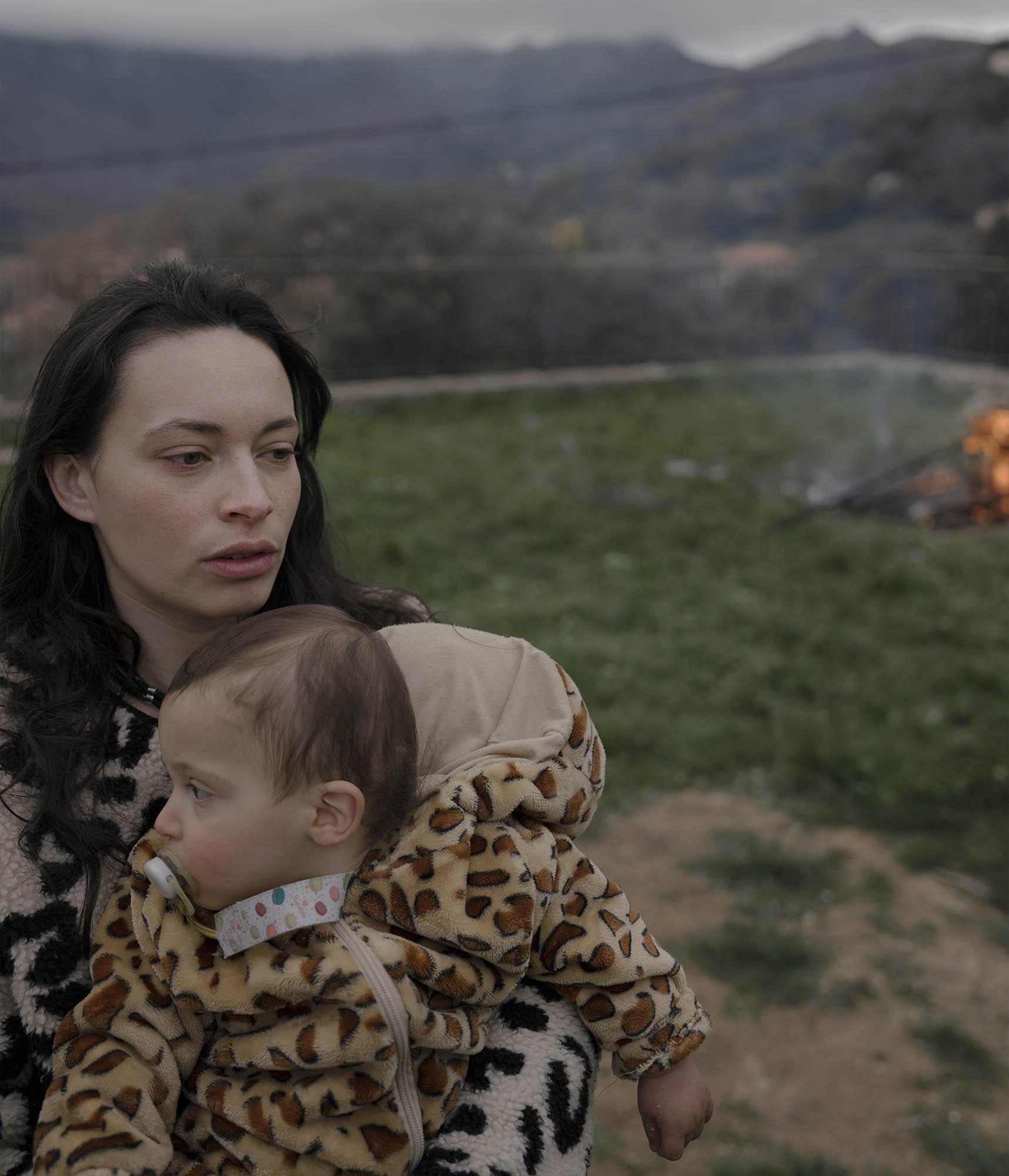
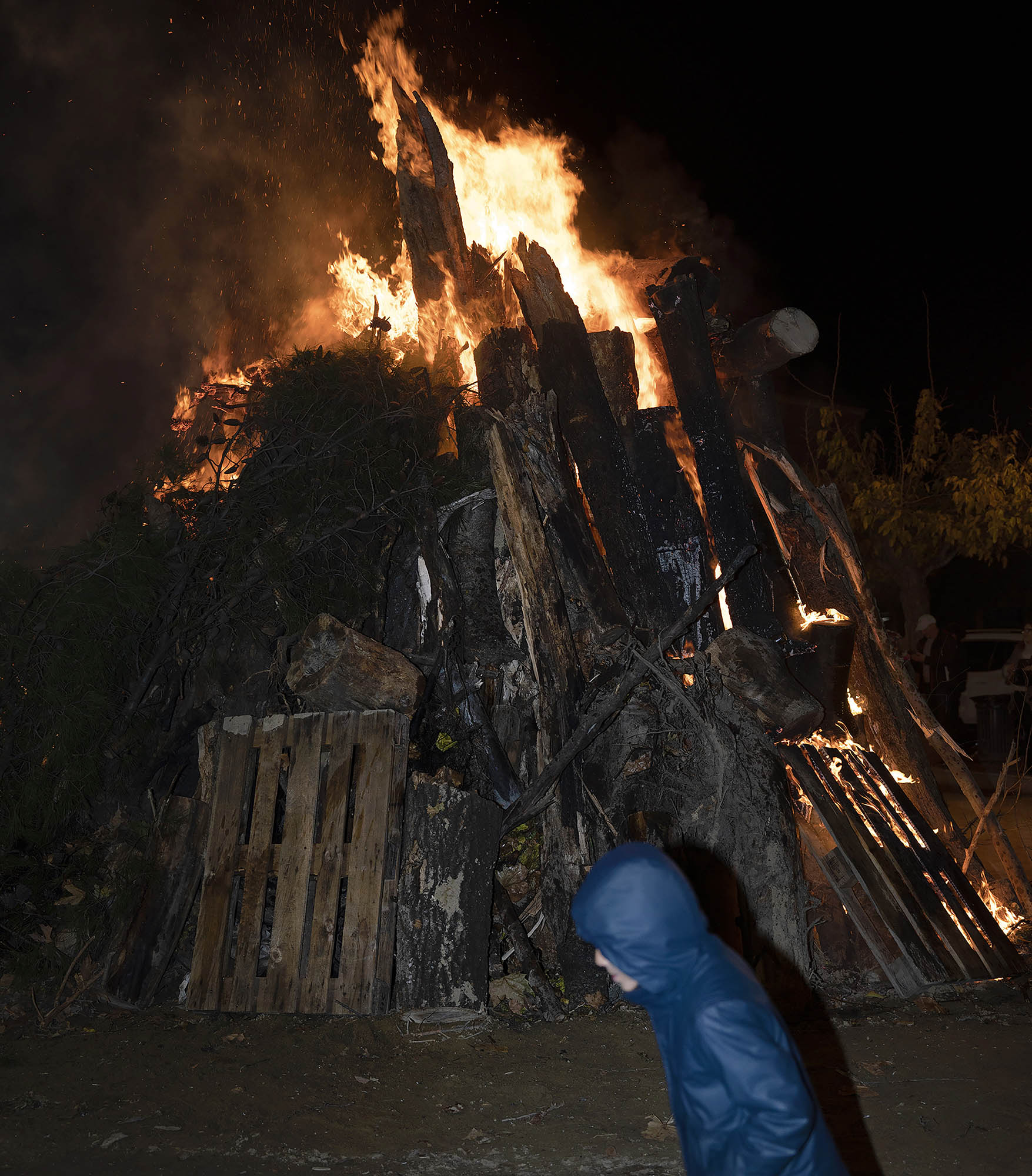
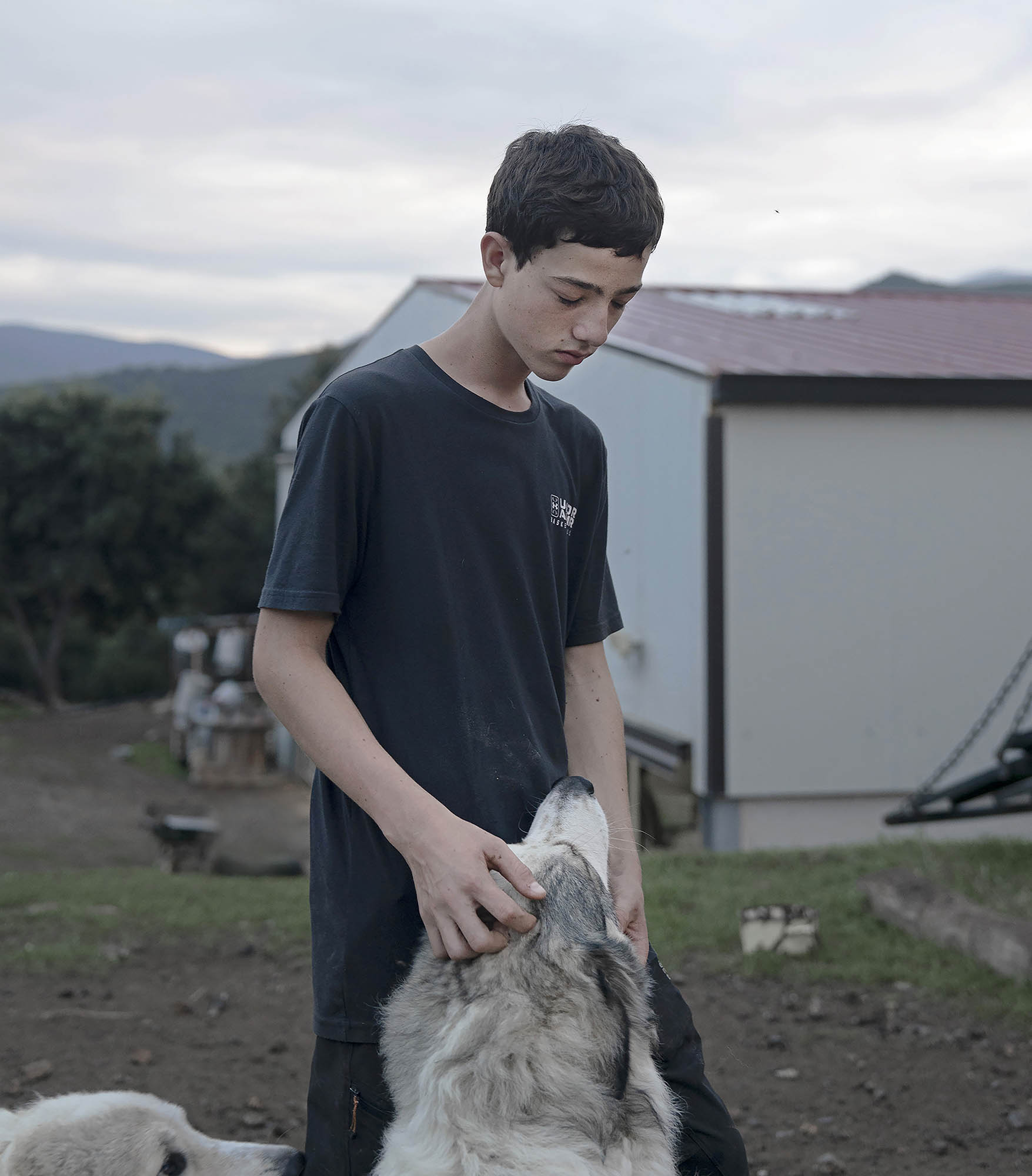
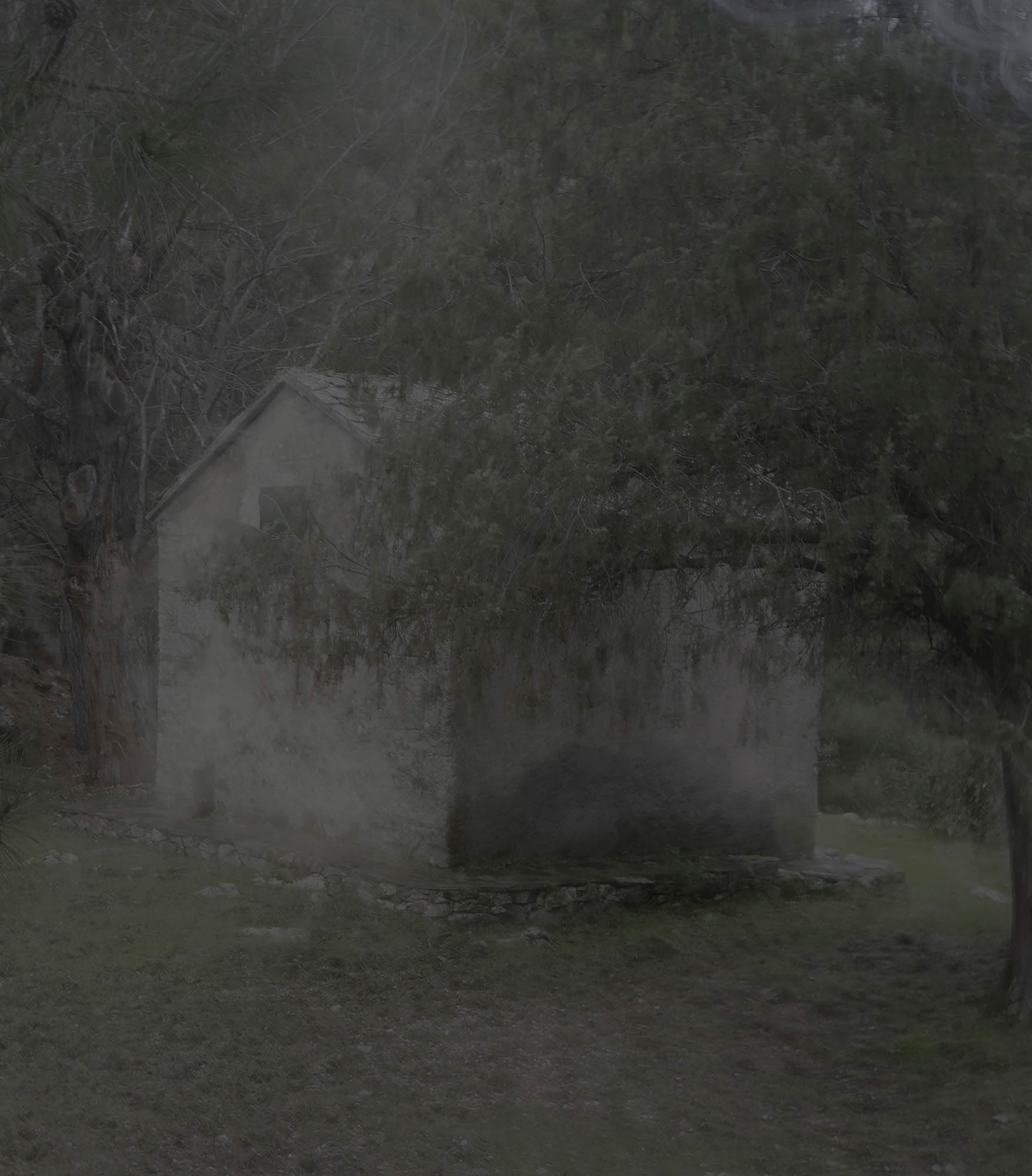
Nanna Strana can be translated from Corsican as “The Strange Lullaby.”
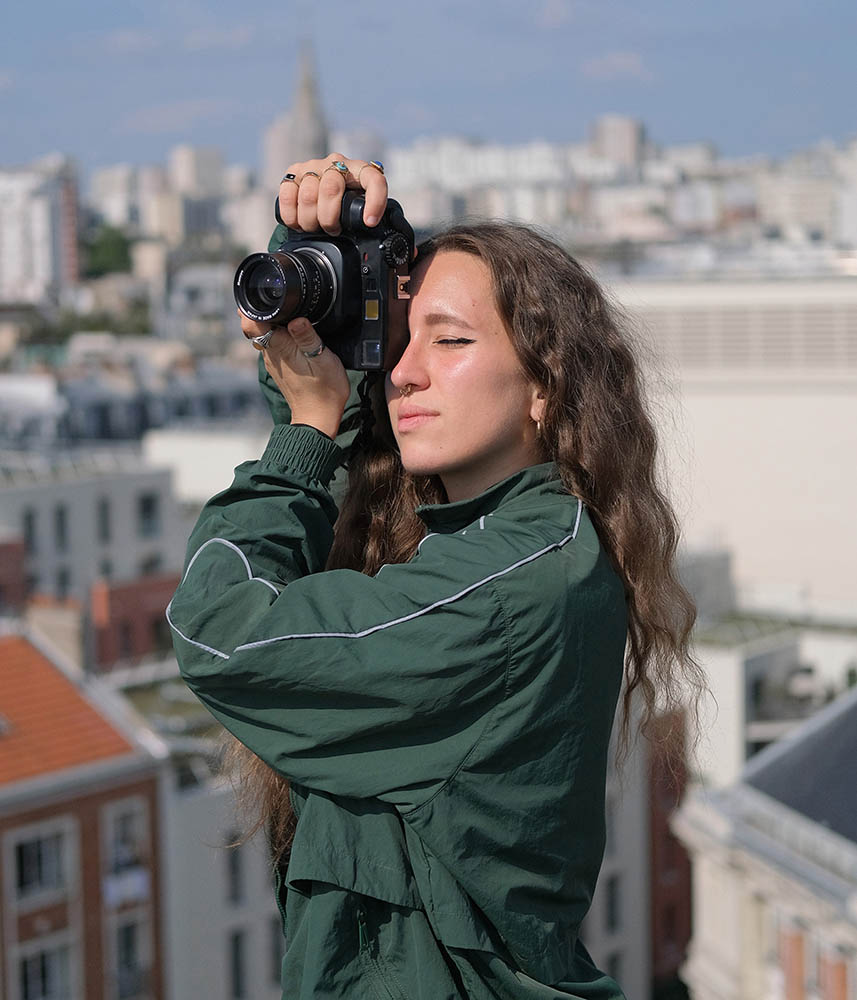
Fiora Garenzi studied Photography before pursuing degrees in Arabic Language and History, as well as Geopolitics, at the Sorbonne. She began developing her personal projects in 2018, focusing on contemporary issues, social questions, and notions of belonging—to both communities and territories—primarily in Europe and across the Arab world.
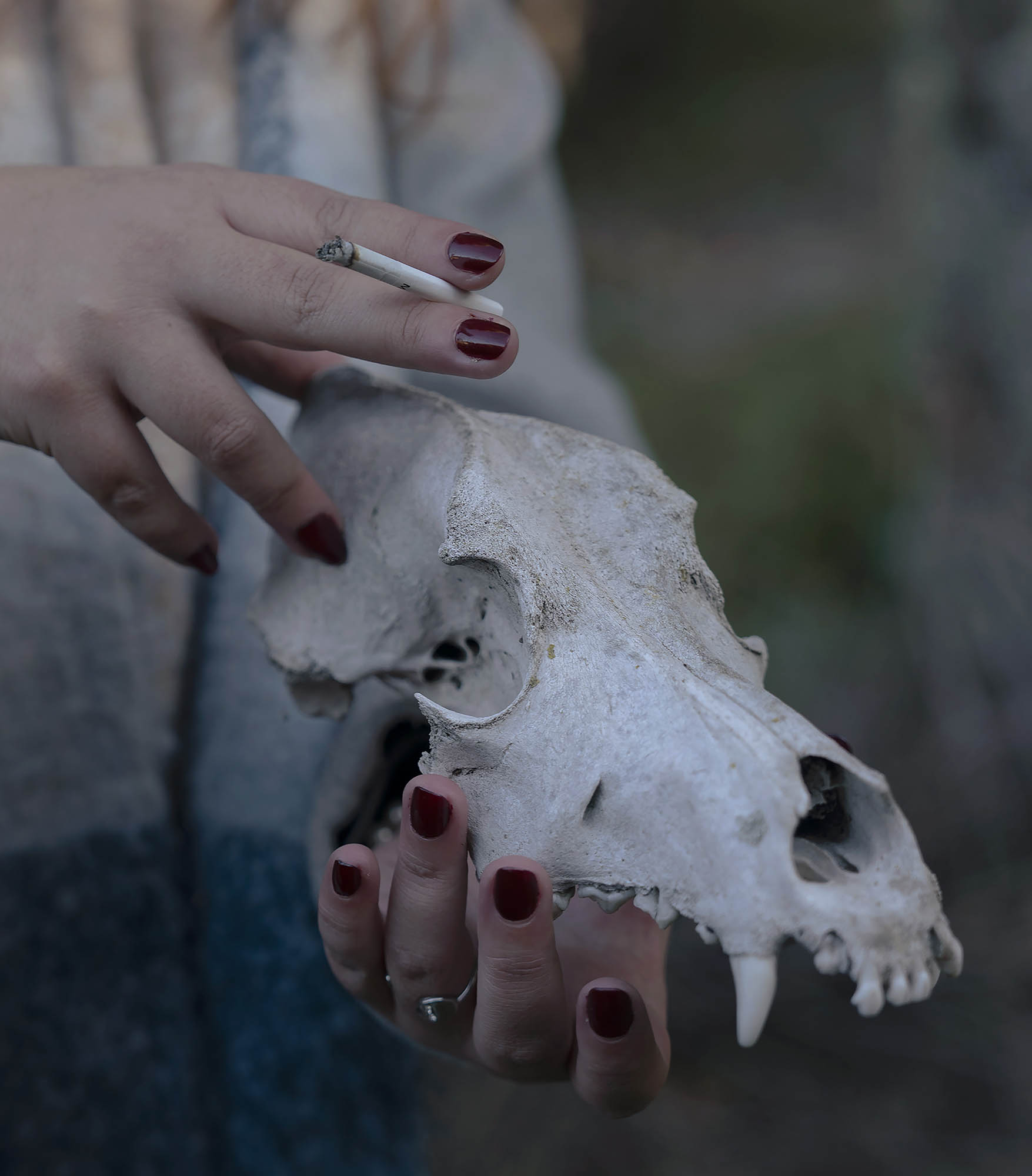
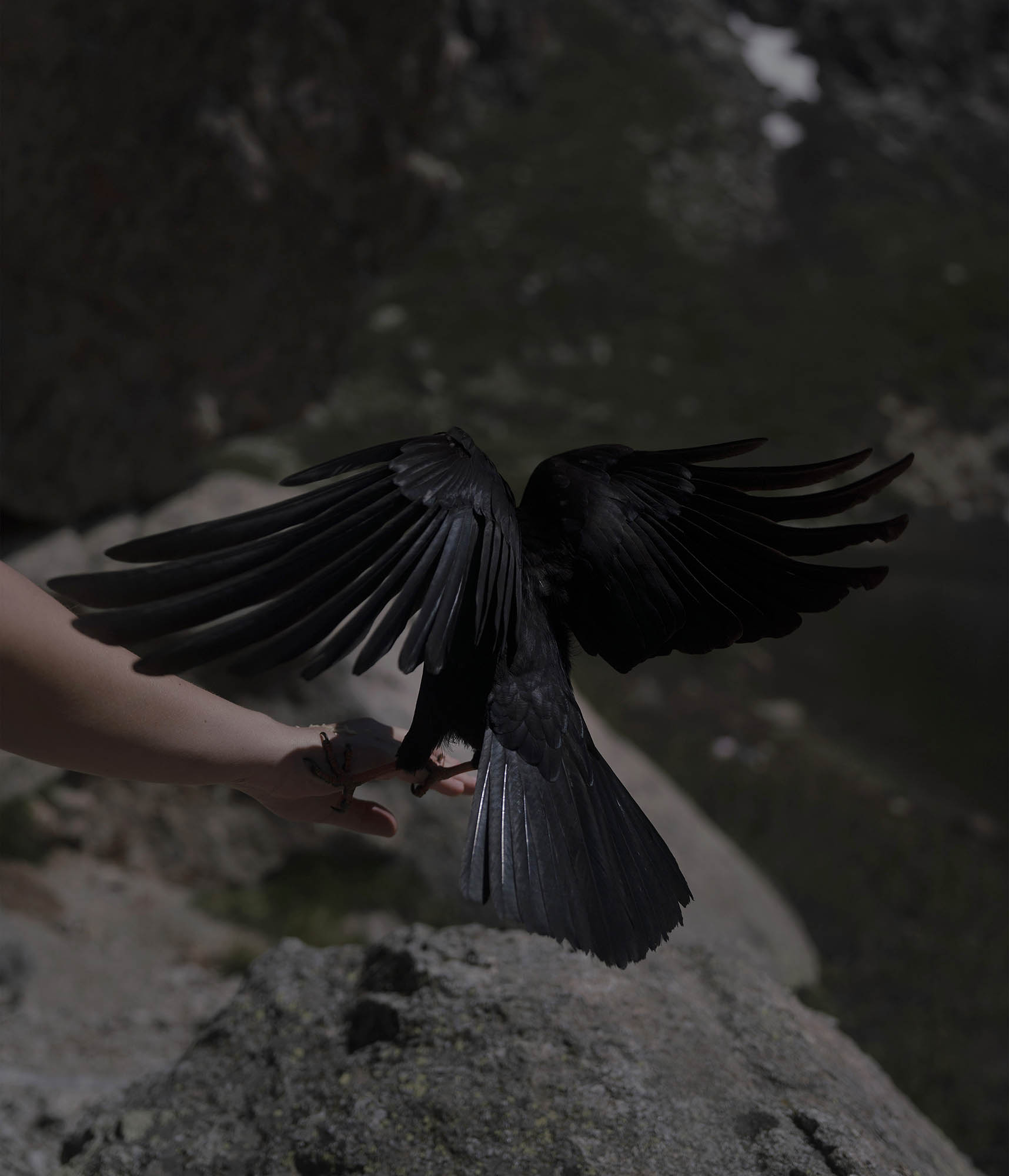
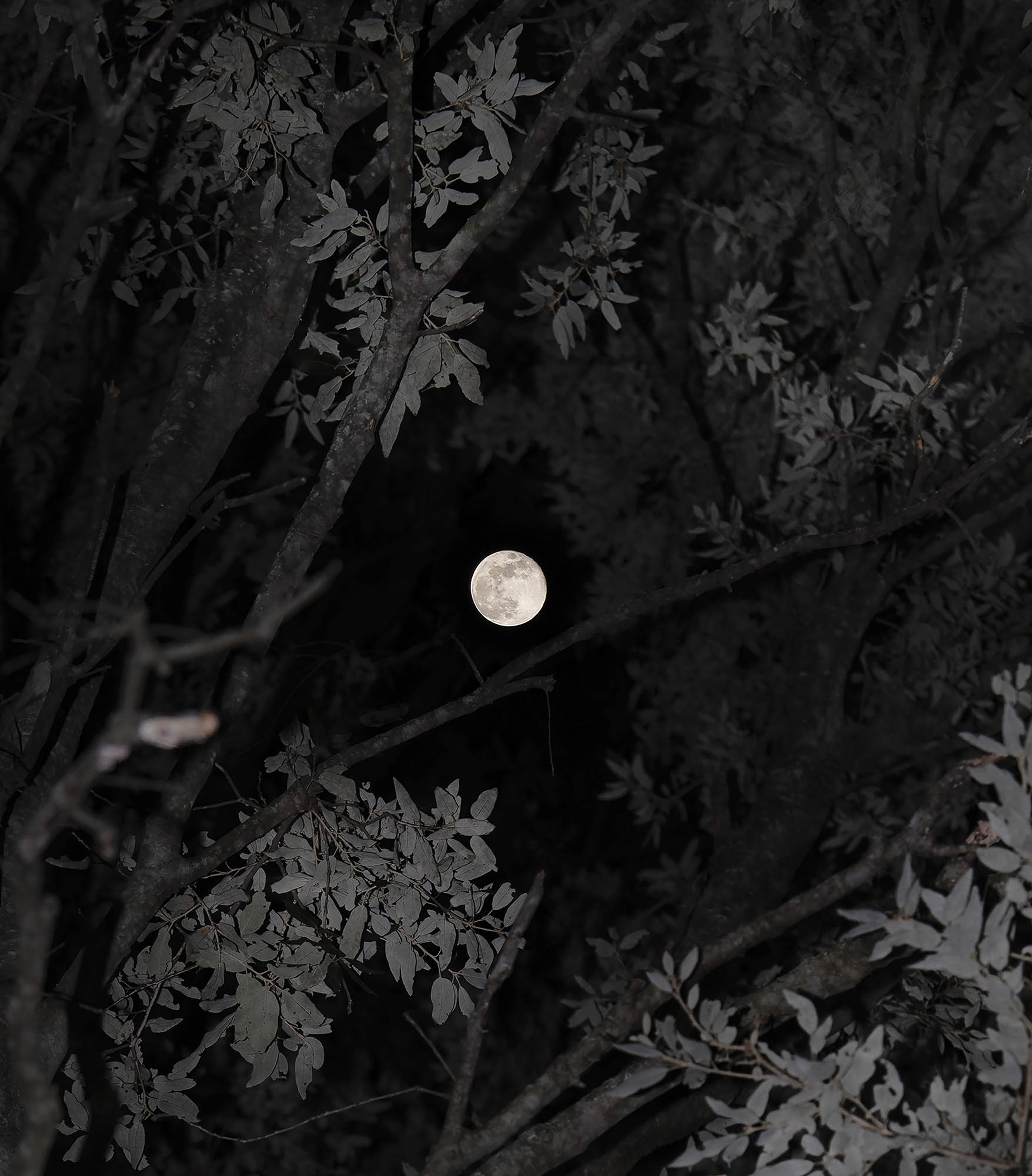
Her work combines a documentary approach with a strong formal exploration of the photographic image. Rather than conveying visual certainties, her photographs evoke sensations and atmospheres. She constructs her images through an openly subjective perspective that reinforces her narrative intent. Situated between fiction and documentary, her projects tell stories by immersing viewers in carefully conceived and constructed worlds that take on the qualities of strangely real fables.
Now 27 years old, she works regularly on editorial commissions for the press and collaborates occasionally with various associations and NGOs.
Fiora Garenzi has received several awards and grants, including the Laurent Troude Grant in 2025, the SAIF – Les Femmes s’Exposent Award in 2024, and the Prix de la Vocation in 2023.
Her photographic work has been exhibited both in France and internationally, including the Mentorat VU’ #05 exhibition (Galerie VU’, Paris, September 2025), an exhibition at Alb’oru (Bastia, Corsica, May 2025), exhibitions at UPP (Paris, 2024 and 2026), and exhibitions as part of the Nikon x Bayeux Prize (Paris and Bayeux, 2025), among others.